汽车运动生态

Search documents
从赛道王者到生态筑基者:领克汽车运动2.0时代的战略升维
经济观察报· 2025-12-22 10:26
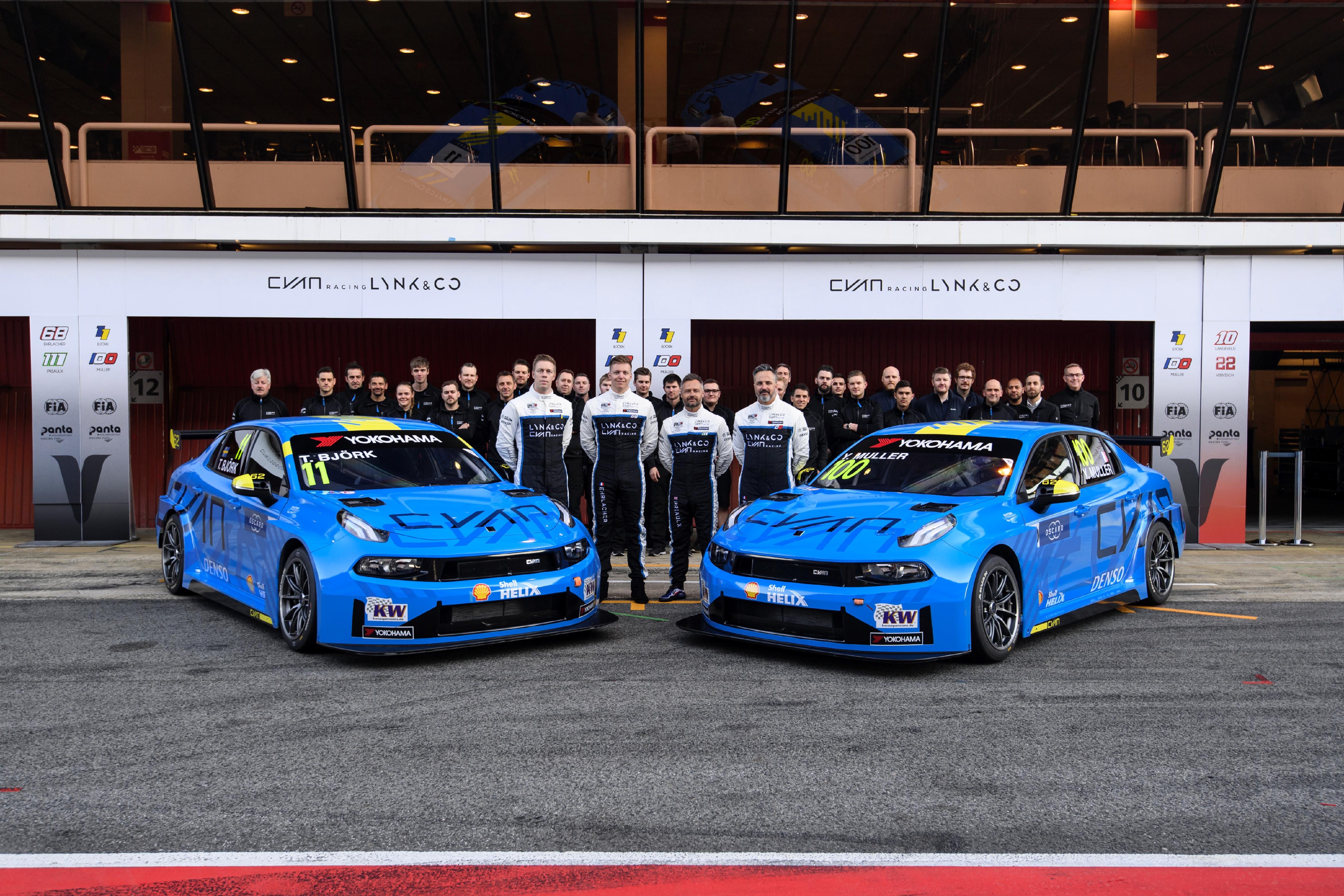
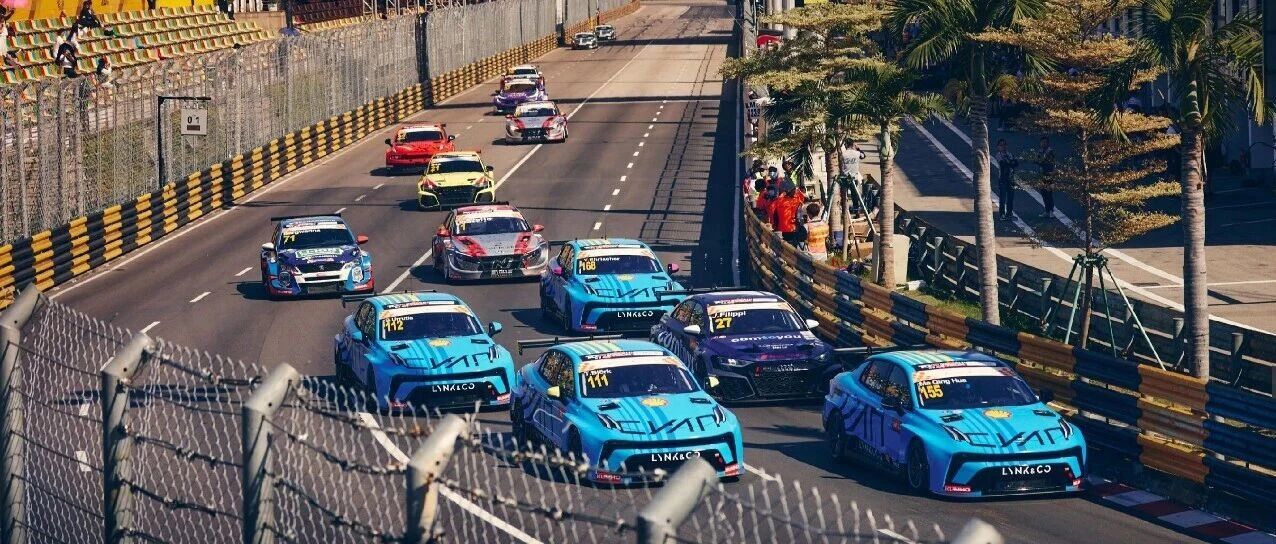
Core Viewpoint - Lynk & Co's strategic evolution from 1.0 to 2.0 represents a significant shift in the development path of high-end Chinese brands, focusing on cultivating a complete automotive sports ecosystem in China rather than solely winning international championships [2][20]. Group 1: Brand Development through Racing - The racing track serves as a testing ground for technology and a platform for brand spirit, with winning in top competitions enhancing brand recognition and trust [4][5]. - Lynk & Co has achieved remarkable success in the WTCR/TCR series, winning nine championships in seven years, which has redefined the narrative of Chinese automotive performance on the global stage [8][10]. - The victories of Chinese driver Ma Qinghua in international events have created a complete narrative of "Chinese driver + Chinese car + Chinese track + Chinese brand," enhancing national industrial confidence [8][10]. Group 2: Strategic Shift and Resource Reallocation - Lynk & Co's decision to adjust its focus from international racing to cultivating local talent and a broader automotive culture reflects a strategic resource reallocation aimed at building a sustainable automotive sports industry in China [12][13]. - The brand aims to lower participation barriers in automotive sports, transitioning spectators into active participants through various initiatives, including driver training and racing experiences [12][13]. - Lynk & Co continues to participate in domestic racing events to maintain technical output and brand presence while fostering a pathway for amateur drivers to transition to professional racing [13]. Group 3: Mission Elevation and Performance Democratization - The 2.0 strategy signifies a shift from being a brand focused on commercial success to becoming an enabler and foundational player in the development of the Chinese automotive sports industry [15][16]. - By nurturing local talent through structured training programs, Lynk & Co aims to contribute to the industry's growth and create a sustainable ecosystem that benefits all stakeholders [16][18]. - The brand's approach to democratizing performance technology ensures that advanced racing technologies are accessible to everyday users, enhancing their driving experience [18]. Group 4: Long-term Vision and Cultural Impact - Lynk & Co's long-term strategy emphasizes the importance of building a robust automotive culture in China, moving beyond immediate marketing gains to foster deep user engagement and community building [20][22]. - The brand's initiatives, such as the establishment of the MEC and support for aspiring drivers, reflect a commitment to enriching the automotive experience for a new generation of enthusiasts [22].

从赛道王者到生态筑基者:领克汽车运动2.0时代的战略升维
Jing Ji Guan Cha Wang· 2025-12-22 09:40
Core Viewpoint - Lynk & Co is transitioning from a focus on winning international championships to cultivating a comprehensive automotive sports ecosystem in China, marking a strategic shift from the 1.0 era of "winning championships" to the 2.0 era of "cultivating champions" [1][7] Group 1: Brand Development through Racing - Establishing a strong brand recognition often requires iconic events and sustained investment, particularly for Chinese brands aiming to penetrate the high-end market [2] - Lynk & Co's journey in the WTCR began in 2019, leading to a historic transformation in Chinese automotive sports [2][5] - The team achieved nine championships in seven years, breaking the record for Chinese brands in top-tier touring car events, showcasing "Chinese speed" on the global stage [5][6] Group 2: Technical Feedback Loop - Lynk & Co's racing philosophy extends beyond trophy collection; it emphasizes a technical feedback loop from track to street [6] - The performance of the Lynk & Co 03 TCR race car validates core technologies, which are then integrated into consumer products, enhancing their performance [6] - This approach transforms racing technology into tangible benefits for consumers, establishing a solid technical benchmark for "Chinese performance" [6] Group 3: Strategic Resource Reallocation - Post-2025, Lynk & Co plans to adjust its investment in international racing, interpreted by some as a retreat, but it is a strategic reallocation of resources towards nurturing local automotive culture [7][8] - The shift is driven by the evolving global automotive landscape and the growing interest in performance among Chinese consumers, highlighting a gap in participation channels and training systems [7][8] Group 4: Building an Automotive Sports Ecosystem - Lynk & Co is developing a multi-faceted ecosystem through various initiatives, including driver training programs and automotive experience centers [8] - The brand continues to participate in domestic top-tier events, ensuring ongoing technical output and presence in competitive racing [8] - The strategy aims to create a comprehensive automotive sports promotion system in China, fostering user participation and engagement [8][12] Group 5: Mission Elevation and Performance Democratization - The 2.0 strategy signifies a shift from being a brand focused on commercial success to becoming an enabler of the entire Chinese automotive sports industry [9][11] - This transition is driven by the need for sustainable brand narratives and the demand for a robust automotive culture in China [9][11] - Lynk & Co aims to democratize performance technology, making advanced automotive features accessible to everyday users [11] Group 6: Community Engagement and User Loyalty - The automotive sports community serves as a powerful medium for brand engagement, evolving customer relationships from mere transactions to collaborative experiences [12] - Lynk & Co's performance car club has over 50,000 active members, reflecting high user loyalty and a shift towards lifestyle-oriented business models [12] Conclusion - Lynk & Co's strategic evolution from 1.0 to 2.0 provides a model for observing the development path of high-end Chinese brands, emphasizing a comprehensive approach to competition that includes technology, user experience, and community building [13][15] - The brand's long-term commitment to nurturing local automotive culture and user participation is seen as a significant investment in the future of China's automotive landscape [13][15]