性能民主化

Search documents
从赛道王者到生态筑基者:领克汽车运动2.0时代的战略升维
经济观察报· 2025-12-22 10:26
Core Viewpoint - Lynk & Co's strategic evolution from 1.0 to 2.0 represents a significant shift in the development path of high-end Chinese brands, focusing on cultivating a complete automotive sports ecosystem in China rather than solely winning international championships [2][20]. Group 1: Brand Development through Racing - The racing track serves as a testing ground for technology and a platform for brand spirit, with winning in top competitions enhancing brand recognition and trust [4][5]. - Lynk & Co has achieved remarkable success in the WTCR/TCR series, winning nine championships in seven years, which has redefined the narrative of Chinese automotive performance on the global stage [8][10]. - The victories of Chinese driver Ma Qinghua in international events have created a complete narrative of "Chinese driver + Chinese car + Chinese track + Chinese brand," enhancing national industrial confidence [8][10]. Group 2: Strategic Shift and Resource Reallocation - Lynk & Co's decision to adjust its focus from international racing to cultivating local talent and a broader automotive culture reflects a strategic resource reallocation aimed at building a sustainable automotive sports industry in China [12][13]. - The brand aims to lower participation barriers in automotive sports, transitioning spectators into active participants through various initiatives, including driver training and racing experiences [12][13]. - Lynk & Co continues to participate in domestic racing events to maintain technical output and brand presence while fostering a pathway for amateur drivers to transition to professional racing [13]. Group 3: Mission Elevation and Performance Democratization - The 2.0 strategy signifies a shift from being a brand focused on commercial success to becoming an enabler and foundational player in the development of the Chinese automotive sports industry [15][16]. - By nurturing local talent through structured training programs, Lynk & Co aims to contribute to the industry's growth and create a sustainable ecosystem that benefits all stakeholders [16][18]. - The brand's approach to democratizing performance technology ensures that advanced racing technologies are accessible to everyday users, enhancing their driving experience [18]. Group 4: Long-term Vision and Cultural Impact - Lynk & Co's long-term strategy emphasizes the importance of building a robust automotive culture in China, moving beyond immediate marketing gains to foster deep user engagement and community building [20][22]. - The brand's initiatives, such as the establishment of the MEC and support for aspiring drivers, reflect a commitment to enriching the automotive experience for a new generation of enthusiasts [22].

从赛道王者到生态筑基者:领克汽车运动2.0时代的战略升维
Jing Ji Guan Cha Wang· 2025-12-22 09:40
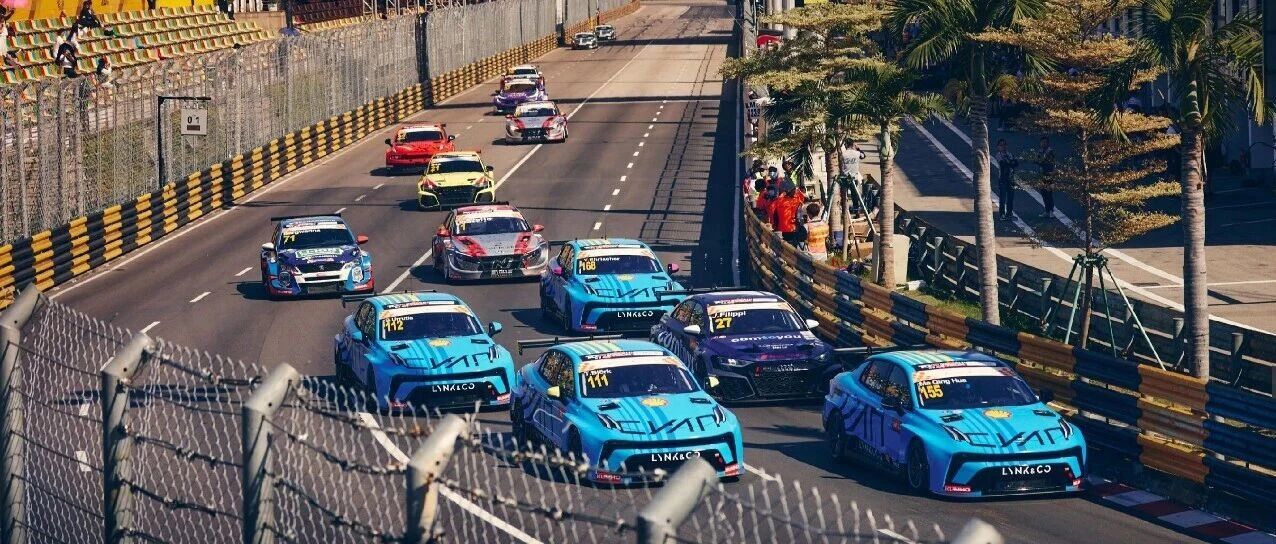
Core Viewpoint - Lynk & Co is transitioning from a focus on winning international championships to cultivating a comprehensive automotive sports ecosystem in China, marking a strategic shift from the 1.0 era of "winning championships" to the 2.0 era of "cultivating champions" [1][7] Group 1: Brand Development through Racing - Establishing a strong brand recognition often requires iconic events and sustained investment, particularly for Chinese brands aiming to penetrate the high-end market [2] - Lynk & Co's journey in the WTCR began in 2019, leading to a historic transformation in Chinese automotive sports [2][5] - The team achieved nine championships in seven years, breaking the record for Chinese brands in top-tier touring car events, showcasing "Chinese speed" on the global stage [5][6] Group 2: Technical Feedback Loop - Lynk & Co's racing philosophy extends beyond trophy collection; it emphasizes a technical feedback loop from track to street [6] - The performance of the Lynk & Co 03 TCR race car validates core technologies, which are then integrated into consumer products, enhancing their performance [6] - This approach transforms racing technology into tangible benefits for consumers, establishing a solid technical benchmark for "Chinese performance" [6] Group 3: Strategic Resource Reallocation - Post-2025, Lynk & Co plans to adjust its investment in international racing, interpreted by some as a retreat, but it is a strategic reallocation of resources towards nurturing local automotive culture [7][8] - The shift is driven by the evolving global automotive landscape and the growing interest in performance among Chinese consumers, highlighting a gap in participation channels and training systems [7][8] Group 4: Building an Automotive Sports Ecosystem - Lynk & Co is developing a multi-faceted ecosystem through various initiatives, including driver training programs and automotive experience centers [8] - The brand continues to participate in domestic top-tier events, ensuring ongoing technical output and presence in competitive racing [8] - The strategy aims to create a comprehensive automotive sports promotion system in China, fostering user participation and engagement [8][12] Group 5: Mission Elevation and Performance Democratization - The 2.0 strategy signifies a shift from being a brand focused on commercial success to becoming an enabler of the entire Chinese automotive sports industry [9][11] - This transition is driven by the need for sustainable brand narratives and the demand for a robust automotive culture in China [9][11] - Lynk & Co aims to democratize performance technology, making advanced automotive features accessible to everyday users [11] Group 6: Community Engagement and User Loyalty - The automotive sports community serves as a powerful medium for brand engagement, evolving customer relationships from mere transactions to collaborative experiences [12] - Lynk & Co's performance car club has over 50,000 active members, reflecting high user loyalty and a shift towards lifestyle-oriented business models [12] Conclusion - Lynk & Co's strategic evolution from 1.0 to 2.0 provides a model for observing the development path of high-end Chinese brands, emphasizing a comprehensive approach to competition that includes technology, user experience, and community building [13][15] - The brand's long-term commitment to nurturing local automotive culture and user participation is seen as a significant investment in the future of China's automotive landscape [13][15]
连发数文,雷军一怒之下怒了一下,但也只是怒了一下
3 6 Ke· 2025-11-17 00:59
Core Viewpoint - The article discusses the recent emotional responses from Lei Jun, the CEO of Xiaomi, regarding criticisms of the safety of Xiaomi's vehicles, particularly in light of serious accidents involving the SU7 model. It highlights the tension between design aesthetics and safety concerns, and the need for Xiaomi to address public anxieties more effectively. Group 1: Lei Jun's Response - Lei Jun expressed frustration over misinterpretations of his previous statements regarding vehicle design, emphasizing that aesthetics and safety are not mutually exclusive [2][4][6] - He criticized the online narrative that pits "good looks" against "safety," asserting that this framing is misleading [6][10] - In his public appearances, he has shifted the focus from specific safety concerns to broader industry issues, calling for a rational perspective on the growth of new automotive players [9][10] Group 2: Public Perception and Trust Issues - Following recent accidents, there has been a significant drop in Lei Jun's social media followers, indicating a loss of public trust in Xiaomi's automotive safety [14] - The article notes that the public's sensitivity to safety discussions is heightened due to real-life accidents, which have raised serious concerns about vehicle safety features [14][16] - Xiaomi's marketing strategies, which may have been acceptable in the consumer electronics sector, are viewed as inadequate in the automotive industry, where safety is paramount [12][16] Group 3: Need for Accountability and Action - The article argues that instead of focusing on defending against accusations, Xiaomi should provide detailed explanations regarding safety features, particularly concerning the vehicle doors in extreme situations [17][22] - It suggests that Xiaomi should take a leadership role in safety discussions and support new regulations aimed at improving vehicle safety standards [20][24] - The need for a tiered driving license system is highlighted as a necessary step to ensure that drivers are adequately trained to handle high-performance vehicles [24][26]