波茨坦公告

Search documents
视频丨专家:所谓“旧金山和约”非法无效 高市再次冲击中日政治基础
Yang Shi Xin Wen Ke Hu Duan· 2025-11-29 06:14
Core Viewpoint - Japanese Prime Minister Fumio Kishida's remarks regarding Taiwan have drawn strong backlash from China, highlighting ongoing tensions between Japan and China over historical agreements and territorial claims [1][3]. Group 1: Japan's Position - Fumio Kishida stated that Japan, under the San Francisco Peace Treaty, has relinquished all rights and does not hold a position on Taiwan's legal status [1]. - Kishida's comments have been criticized for ignoring the Cairo Declaration and the Potsdam Proclamation, which affirm China's sovereignty over Taiwan [3][7]. Group 2: China's Response - Chinese Foreign Ministry spokesperson Guo Jia Kun emphasized that Taiwan's return to China is a significant outcome of World War II and has been resolved since 1945 [3]. - Guo criticized Kishida for highlighting the San Francisco Peace Treaty while neglecting its illegitimacy and the implications of the Cairo Declaration and Potsdam Proclamation [3][7]. Group 3: Historical Context - The San Francisco Peace Treaty was signed under specific historical circumstances, excluding major WWII parties like China and the Soviet Union, which raises questions about its validity [5]. - The treaty is viewed as invalid because it contradicts previous agreements that confirmed China's sovereignty over Taiwan, thus challenging the post-war international order [7].

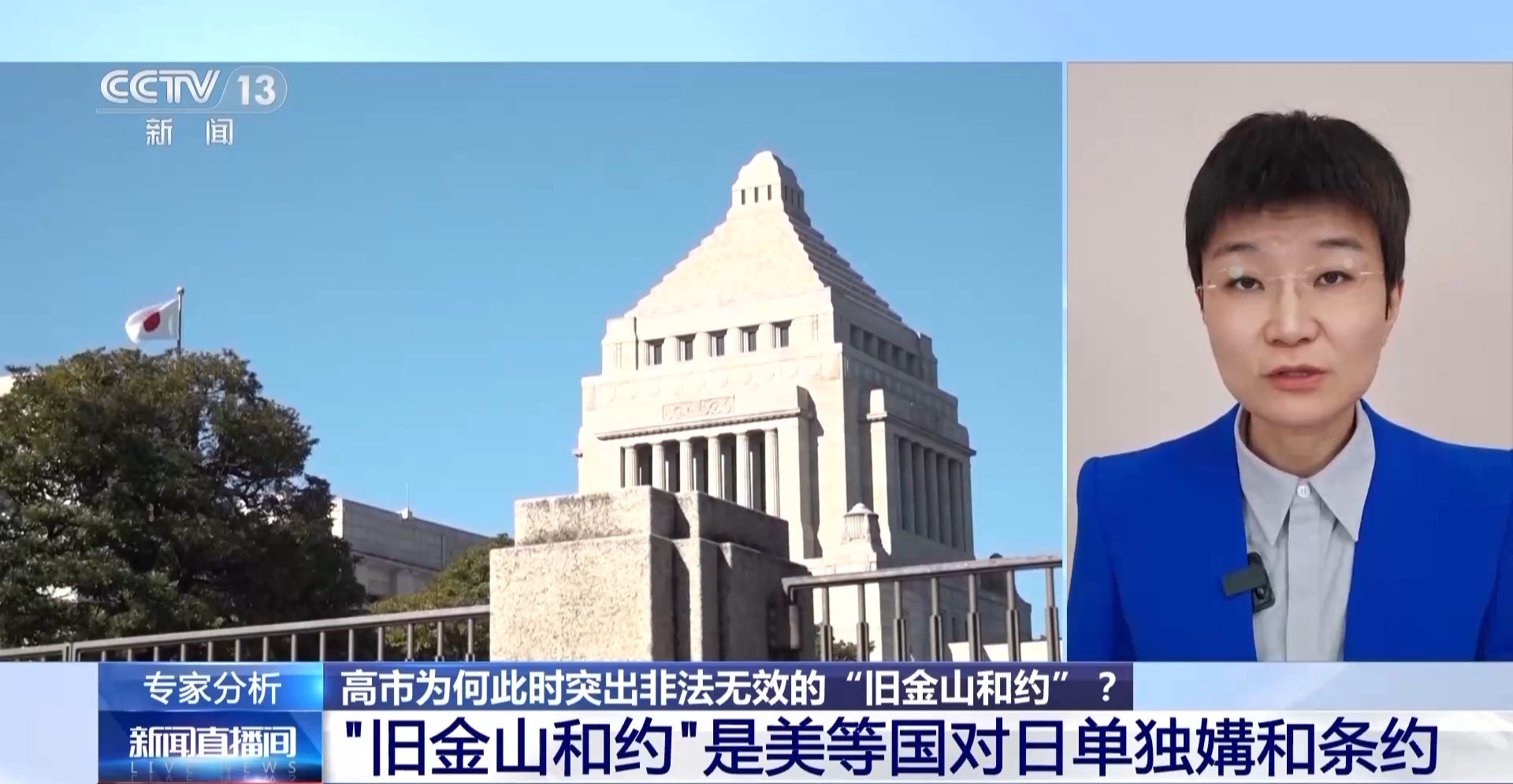
专家:所谓“旧金山和约”非法无效 高市再次冲击中日政治基础
Yang Shi Xin Wen Ke Hu Duan· 2025-11-29 02:18
Core Viewpoint - Japanese Prime Minister Fumio Kishida's remarks regarding Taiwan have drawn strong backlash from China, emphasizing that Taiwan's status was resolved post-World War II and challenging the legitimacy of the San Francisco Peace Treaty [1][3][5] Group 1: Historical Context - The San Francisco Peace Treaty was signed under specific historical circumstances, notably during the Cold War and the Korean War, excluding major WWII parties like China and the Soviet Union from negotiations [3] - The treaty is viewed as invalid because it contradicts earlier agreements such as the Cairo Declaration and the Potsdam Proclamation, which affirmed China's sovereignty over Taiwan [5] Group 2: Political Implications - Kishida's focus on the San Francisco Peace Treaty undermines the political foundation established by four key documents that govern Sino-Japanese relations, indicating a disregard for international law and post-war agreements [1][5] - The repeated mention of the San Francisco Peace Treaty by Kishida is seen as a direct challenge to the established consensus between China and Japan regarding Taiwan, further straining diplomatic relations [3][5]
外交部:高市早苗突出非法无效的“旧金山合约”是错上加错
Xin Hua She· 2025-11-27 08:20
Core Viewpoint - The Chinese Foreign Ministry criticizes Japanese Prime Minister Fumio Kishida for emphasizing the "San Francisco Peace Treaty," which is deemed illegal and invalid, while neglecting the "Cairo Declaration" and "Potsdam Proclamation," which have established international legal standing and are highlighted in bilateral agreements [1] Group 1 - The Chinese government asserts that Kishida's remarks undermine the political foundation of Sino-Japanese relations as established in four key political documents [1] - The statement indicates that Kishida's actions reflect a lack of remorse and a continued challenge to the post-war international order and basic principles of international law [1] - The Chinese side calls for the international community to remain vigilant against such provocations and urges Japan to reflect on its statements and fulfill its commitments to China [1]
视频丨日本将展出接受《波茨坦公告》诏书原件
Yang Shi Xin Wen Ke Hu Duan· 2025-08-05 00:34
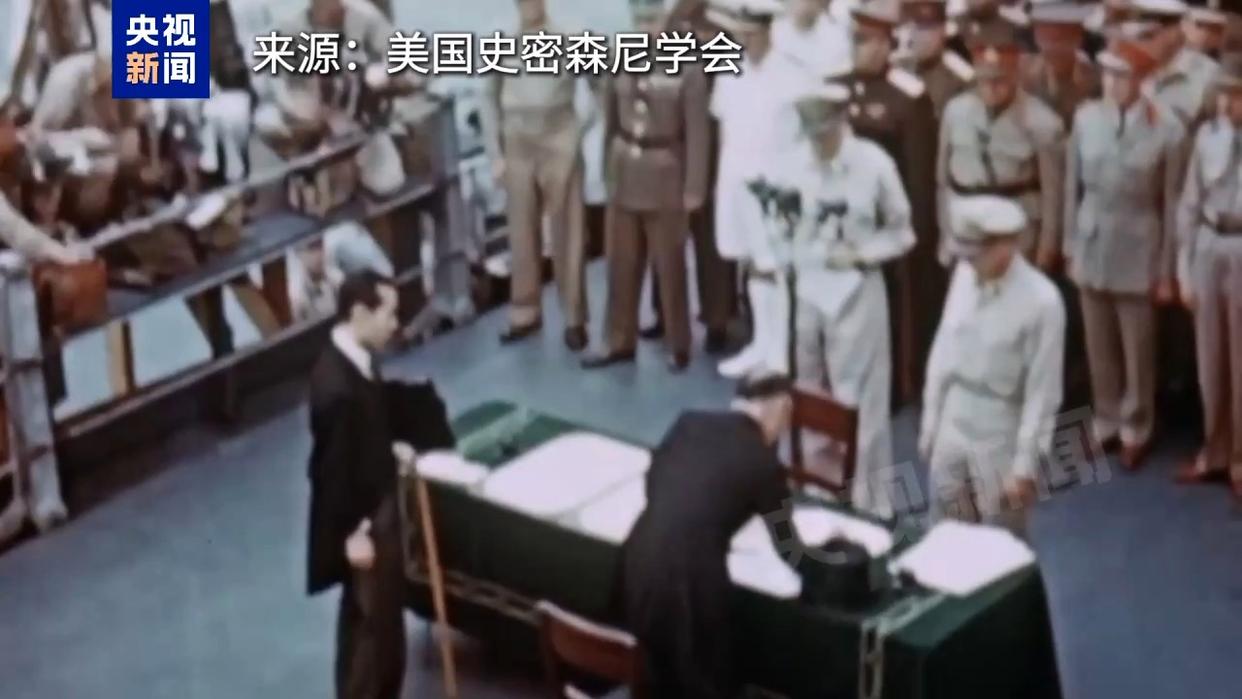
Core Points - The National Archives of Japan is holding a special exhibition showcasing documents from the period before and after Japan's surrender [2] - The original "Surrender Edict" announcing Japan's acceptance of the Potsdam Declaration will be displayed from August 8 to 21 [2] - The Surrender Edict was broadcast to the Japanese public by Emperor Showa on August 15, 1945 [2] Historical Context - Japan signed the surrender document on September 2, 1945, aboard the USS Missouri in Tokyo Bay, in the presence of representatives from nine surrendering nations, including China [4] - The Potsdam Declaration, along with the Cairo Declaration published on December 1, 1943, established the fundamental principles for addressing post-war issues in Japan and is considered a legal cornerstone for the post-war international order in the Asia-Pacific region [4]