流量造假

Search documents
瞭望 | 狙击流量造假网络“黑灰产”
Xin Hua She· 2026-01-12 08:20
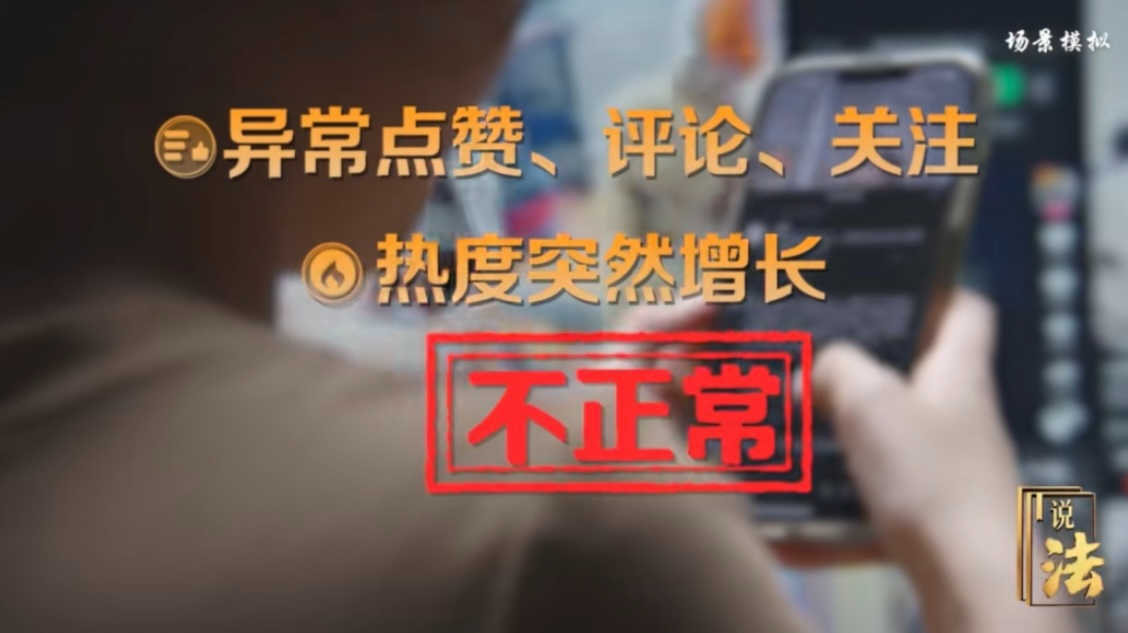
Core Viewpoint - The article discusses the pervasive issue of fake traffic in the digital economy, highlighting how it distorts market order, erodes public trust, and damages industry ecology through various deceptive practices such as bulk likes, malicious reporting, and fake reviews [1][4]. Group 1: Nature of Fake Traffic - Fake traffic manifests in various forms, including systematic falsification of key interaction metrics like clicks, views, and likes, misleading advertisers and consumers [5]. - The most common method of generating fake traffic is through "machine brushing," where users employ software and virtual accounts to automate actions like likes and comments, creating a false sense of popularity [5][12]. - A notable case involved a software company that provided tools for purchasing fake followers and likes, resulting in significant financial gains for the perpetrators [6]. Group 2: Impact on Market Order - The practice of "brushing" leads to the creation of fake sales figures, distorting the true performance of products and misleading consumers [7]. - In a specific incident, a criminal group generated over 9000 fake orders within a week, significantly boosting a merchant's visibility and undermining fair competition on the platform [7]. - Fake reviews and comments on social media platforms mislead consumers, affecting their purchasing decisions and contributing to a cycle of poor-quality products dominating the market [10]. Group 3: Challenges in Regulation - The complexity of the fake traffic issue is compounded by the rapid evolution of technology and the inadequacy of existing legal frameworks to address new forms of online fraud [11][14]. - The lack of clear definitions between legitimate traffic operations and illegal activities complicates regulatory efforts, potentially impacting innocent parties [14]. - Enforcement challenges include difficulties in evidence collection and cross-border cooperation, as many operations utilize distributed systems and can easily alter or delete electronic data [15]. Group 4: Proposed Solutions - A multi-faceted governance approach is necessary, involving legal regulation, platform accountability, technological countermeasures, and industry collaboration to effectively combat fake traffic [17]. - Legal frameworks need to be updated to address the specificities of fake traffic, including clear definitions and penalties for various forms of fraud [17][20]. - Platforms are encouraged to shift their focus from mere traffic metrics to content quality and user satisfaction, thereby reducing the emphasis on quantitative indicators [18].


花钱就有“转评赞”?快手起诉网络水军平台获赔100万
Huan Qiu Wang· 2025-07-31 11:13
Core Viewpoint - The article discusses a legal case involving Kuaishou, where a network company was penalized for using a software tool to artificially inflate user engagement metrics, undermining the platform's integrity and user experience [1][5][6]. Group 1: Legal Case Overview - Kuaishou filed a civil lawsuit against a network company for unfair competition, resulting in a court ruling that the company must pay Kuaishou 1 million yuan for economic damages [1][5]. - The software in question, named "Xiao Mou Luo," allowed users to purchase fake likes, comments, and followers, creating a false sense of popularity for live streams [3][5]. Group 2: Impact on Kuaishou - The use of "Xiao Mou Luo" significantly harmed Kuaishou's community ecosystem, leading to a decline in user experience and trust [5][6]. - Kuaishou emphasized the importance of data authenticity for user trust and platform health, indicating a zero-tolerance policy towards fraudulent activities [6]. Group 3: Industry Challenges - The rise of new cheating methods, such as network water armies, presents ongoing challenges for platform governance, requiring enhanced technical defenses and collaborative efforts with law enforcement and industry partners [6]. - Kuaishou plans to increase investment in technology to improve real-time detection and response capabilities against such fraudulent practices [6].