消费力转移

Search documents
「逃离北上广」不可耻,回流年轻人正在撬动新市场
雷峰网· 2026-01-16 10:44
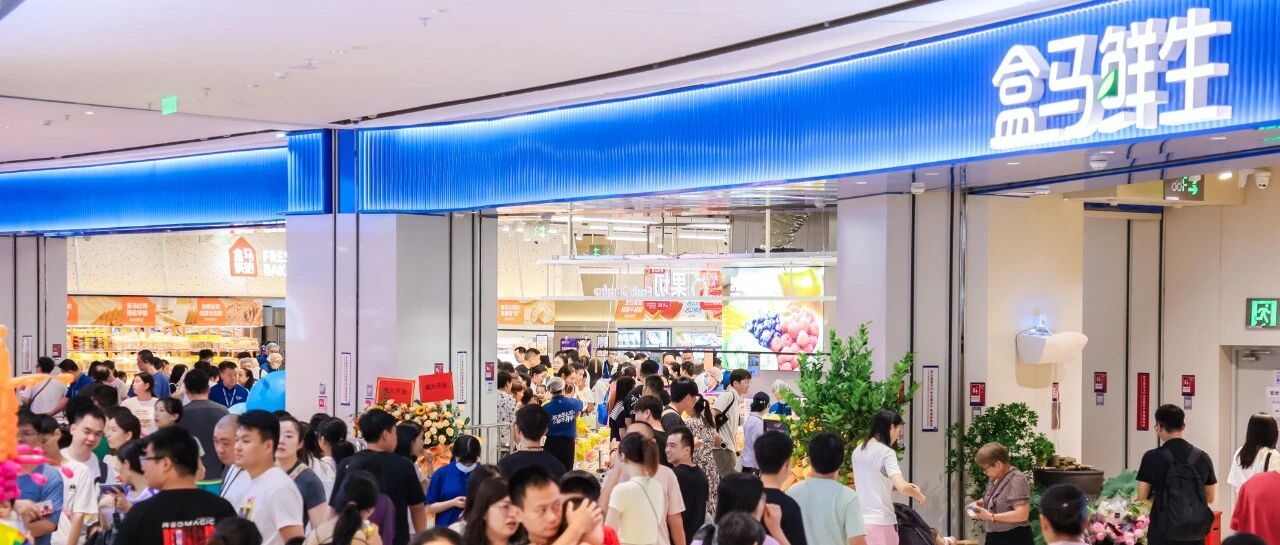
Core Viewpoint - The article discusses the shift in consumer spending from first-tier cities to emerging markets, highlighting the structural changes in China's economy and consumer behavior, as well as the strategies of high-end brands adapting to this trend [2][5][6]. Group 1: Economic Trends and Consumer Behavior - The Chinese economy is experiencing a structural transformation, with consumer spending growth engines shifting from first-tier cities to emerging cities, as evidenced by a 4% year-on-year increase in national retail sales from January to November 2025 [2][3]. - In 2025, 98.7% of 306 non-first-tier cities reported positive retail sales growth, with over 60% of cities in second, third, and fourth tiers outperforming the national average [3][4]. - The trend of "X drifters" returning to their hometowns is reshaping local consumption ecosystems, as these individuals prioritize quality of life over the pressures of first-tier cities [5][12]. Group 2: Brand Strategies and Market Adaptation - High-end brands are increasingly targeting emerging markets, recognizing the significant purchasing power and demand in these areas, as seen with brands like Hema expanding into 40 new cities by 2025 [22][23]. - The phenomenon of "first store economy" is gaining traction, with brands like Lululemon and others establishing a presence in second and third-tier cities, reflecting a shift in consumer preferences and brand strategies [24][25]. - The concept of "emotional price-performance ratio" is emerging, with consumers in smaller cities seeking products that enhance their quality of life, indicating a shift towards more personalized and meaningful consumption [27][29]. Group 3: Supply Chain and Market Dynamics - Hema has developed a robust supply chain network, with over 300 direct sourcing bases and 8 logistics centers, enabling it to effectively cater to the diverse needs of consumers in emerging markets [29][30]. - The entry of brands like Hema into new cities is revitalizing local economies and extending shopping hours, thereby enhancing the overall consumer experience and driving economic growth in these regions [30][32]. - The article emphasizes that the evaluation of a city's commercial vitality is evolving from traditional metrics like GDP to more nuanced indicators such as "living radius," reflecting changing consumer lifestyles [32].