光伏与储能

Search documents
共筑全球能源新生态!2026第九届中国国际光伏与储能产业大会向世界发出诚挚邀约
经济观察报· 2026-01-28 12:24
Core Viewpoint - The article highlights the significant growth and development of the photovoltaic and energy storage industry in China, emphasizing the upcoming 2026 China International Photovoltaic and Energy Storage Industry Conference as a pivotal event for industry collaboration and innovation [1][6]. Group 1: Industry Growth and Development - As of September 2025, China's renewable energy installed capacity reached nearly 2.2 billion kilowatts, a year-on-year increase of 27.2%, accounting for approximately 59.1% of the total installed capacity [2]. - The installed capacity of new energy storage exceeded 100 million kilowatts, representing a growth of over 30 times compared to the end of the 13th Five-Year Plan, with over 40% of the global total installed capacity [2]. - The 2025 National Energy Work Conference outlined a clear path for energy development, aiming for an additional 200 million kilowatts of wind and solar power installations in 2026, creating substantial market opportunities for the photovoltaic and energy storage sectors [2]. Group 2: Conference Highlights and Achievements - The 2025 conference resulted in over 33 billion yuan in signed cooperation projects, covering various aspects of the new energy industry, including photovoltaic projects, energy storage, and smart energy solutions [4]. - The event has evolved from a simple forum to a comprehensive platform for exhibitions, discussions, and collaborations, expanding its global network and influence [4]. - The upcoming 2026 conference aims to facilitate high-level discussions on policy interpretation, industry collaboration, and international cooperation, marking a new phase in the development of the photovoltaic and energy storage industry [6][7]. Group 3: Future Outlook - The 2026 conference will focus on integrating policies and market forces to drive the industry towards high-quality development, with expectations for authoritative forums, technology summits, and practical cooperation opportunities [6][7]. - The emphasis on AI integration in energy management and the exploration of hydrogen and nuclear energy as future energy sources are highlighted as key areas for innovation and growth [2].

共筑全球能源新生态!2026第九届中国国际光伏与储能产业大会向世界发出诚挚邀约
Chang Jiang Shang Bao· 2026-01-28 02:06
Core Insights - The 8th China International Photovoltaic and Energy Storage Industry Conference concluded successfully in November 2025, establishing itself as one of the top three global events in the solar and energy storage sector alongside the SNEC in Shanghai and the Munich Solar Energy Storage Exhibition [1][3] - The upcoming 9th conference is scheduled for November 17-20, 2026, in Chengdu, aiming to further promote industry collaboration and innovation [1][8] Industry Developments - As of September 2025, China's renewable energy installed capacity reached nearly 2.2 billion kilowatts, a year-on-year increase of 27.2%, with a share of approximately 59.1% in the energy mix [3] - The installed capacity of new energy storage exceeded 100 million kilowatts, growing over 30 times compared to the end of the 13th Five-Year Plan, accounting for more than 40% of the global total [3] - The national energy work conference in December 2025 set clear goals for the 14th Five-Year Plan, emphasizing the need for a green and low-carbon energy transition, with a target of adding over 20 million kilowatts of wind and solar power capacity in 2026 [3] Conference Achievements - The 8th conference facilitated over 33 billion yuan in cooperation projects, covering various aspects of the renewable energy industry, including centralized and distributed solar projects, independent energy storage, and smart energy solutions [5] - The event has evolved from a simple forum to a comprehensive platform for exhibitions, discussions, and collaborations, expanding its global network and influence [5] Future Outlook - The 9th conference will focus on building a platform for policy interpretation, industry collaboration, and international cooperation, aiming to transition the energy storage industry from growth to system empowerment and ecological co-construction [8] - Key highlights of the upcoming conference include authoritative forums, technology summits, application scenario exhibitions, and a global procurement exchange area to enhance practical cooperation within the industry [8]
德业股份递表港交所
Zhi Tong Cai Jing· 2026-01-27 12:04
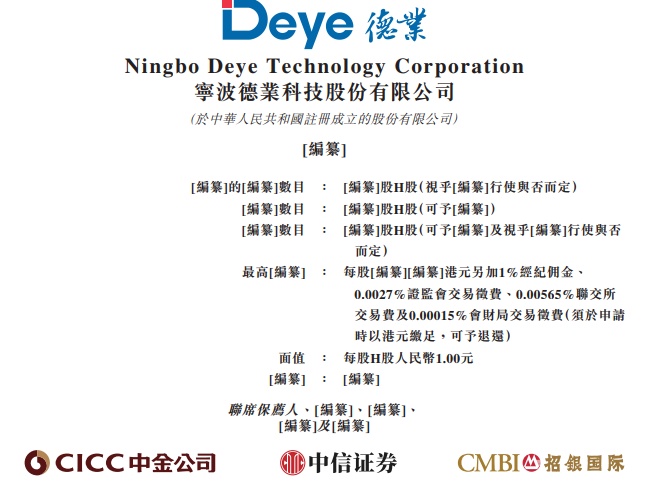
Group 1 - Ningbo Deye Technology Corporation has submitted an application for listing on the Hong Kong Stock Exchange, with CICC, CITIC Securities, and CMBI as joint sponsors [1] - Deye is a leading global provider of photovoltaic and energy storage products, focusing on delivering clean and sustainable green energy solutions [1] - According to Frost & Sullivan, Deye is the largest residential energy storage inverter provider globally based on sales revenue projected for 2024 [1]

「逃离北上广」不可耻,回流年轻人正在撬动新市场
雷峰网· 2026-01-16 10:44
Core Viewpoint - The article discusses the shift in consumer spending from first-tier cities to emerging markets, highlighting the structural changes in China's economy and consumer behavior, as well as the strategies of high-end brands adapting to this trend [2][5][6]. Group 1: Economic Trends and Consumer Behavior - The Chinese economy is experiencing a structural transformation, with consumer spending growth engines shifting from first-tier cities to emerging cities, as evidenced by a 4% year-on-year increase in national retail sales from January to November 2025 [2][3]. - In 2025, 98.7% of 306 non-first-tier cities reported positive retail sales growth, with over 60% of cities in second, third, and fourth tiers outperforming the national average [3][4]. - The trend of "X drifters" returning to their hometowns is reshaping local consumption ecosystems, as these individuals prioritize quality of life over the pressures of first-tier cities [5][12]. Group 2: Brand Strategies and Market Adaptation - High-end brands are increasingly targeting emerging markets, recognizing the significant purchasing power and demand in these areas, as seen with brands like Hema expanding into 40 new cities by 2025 [22][23]. - The phenomenon of "first store economy" is gaining traction, with brands like Lululemon and others establishing a presence in second and third-tier cities, reflecting a shift in consumer preferences and brand strategies [24][25]. - The concept of "emotional price-performance ratio" is emerging, with consumers in smaller cities seeking products that enhance their quality of life, indicating a shift towards more personalized and meaningful consumption [27][29]. Group 3: Supply Chain and Market Dynamics - Hema has developed a robust supply chain network, with over 300 direct sourcing bases and 8 logistics centers, enabling it to effectively cater to the diverse needs of consumers in emerging markets [29][30]. - The entry of brands like Hema into new cities is revitalizing local economies and extending shopping hours, thereby enhancing the overall consumer experience and driving economic growth in these regions [30][32]. - The article emphasizes that the evaluation of a city's commercial vitality is evolving from traditional metrics like GDP to more nuanced indicators such as "living radius," reflecting changing consumer lifestyles [32].
深入解析艾罗AI能源矩阵:五大引擎如何让能源系统会“思考”
Xin Lang Cai Jing· 2025-12-11 10:11
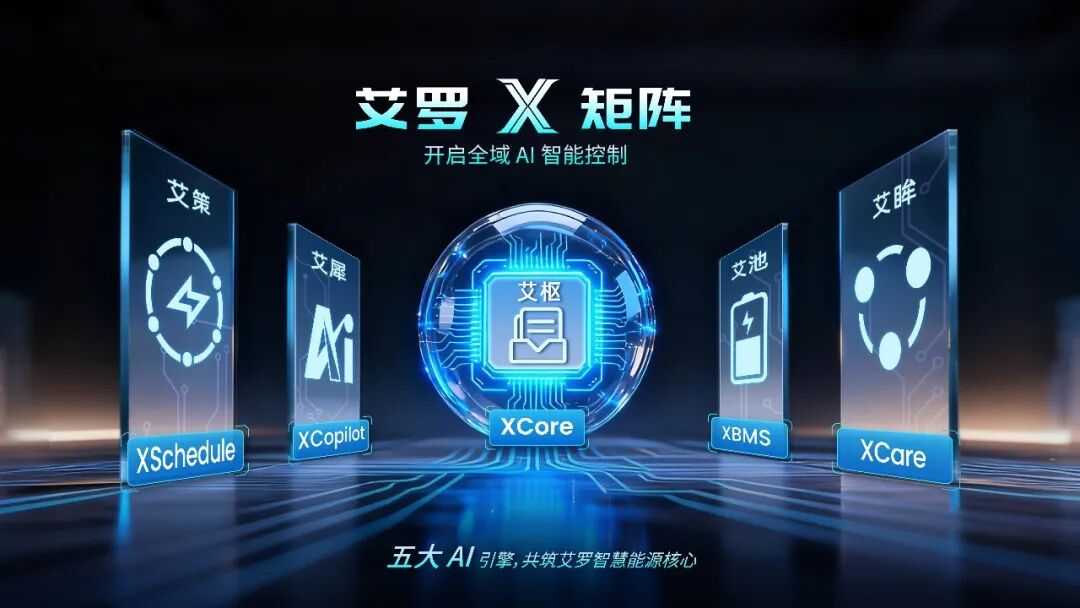
Core Insights - The article discusses the unprecedented complexity facing energy systems in Europe due to the increasing penetration of distributed energy resources and storage systems, highlighting the inadequacy of traditional scheduling and operational strategies to meet current digital energy demands [1][25]. Group 1: AI Energy Matrix Overview - The company has introduced a new AI Energy Matrix that consists of five core intelligent modules designed to create a "learnable, optimizable, and predictable" energy system [2][26]. - The five modules include AI Battery Management (AiChi), AI Energy Scheduling (AiCe), AI Intelligent Assistant (AiXi), AI Intelligent Operations (AiMou), and AI Knowledge Base (AiShu) [2][26]. Group 2: AI Battery Management (AiChi) - AiChi enhances battery management by transitioning from control logic to machine intelligence, addressing the limitations of traditional threshold-based and experience-based judgments [5][28]. - It achieves a State of Charge (SOC) and State of Health (SOH) accuracy of less than 3%, enabling smarter charge and discharge control and extending battery life by over 10% [6][29]. - The AI-based monitoring at the cell level improves balancing efficiency by 20%, allowing a system like the ESS-TRENE liquid-cooled 125kW/261kWh to recover approximately 1000 kWh of usable energy annually [7][30]. Group 3: AI Energy Scheduling (AiCe) - AiCe represents a significant leap in energy scheduling, moving from rule-based execution to strategic decision-making, and is designed for both residential and commercial applications [11][33]. - It features a dual-engine architecture combining cloud-based high-precision computation with edge-based autonomous operation, resulting in up to a 50% increase in return on investment compared to static scheduling methods [13][35]. Group 4: AI Intelligent Assistant (AiXi) - AiXi is a large language model-based assistant aimed at making complex systems understandable and operable, providing real-time dynamic system diagrams and visual fault diagnosis processes [14][36]. - It evolves into a personal energy manager that learns from user behavior, simplifies decision-making, and supports user participation in virtual power plants [16][38]. Group 5: AI Intelligent Operations (AiMou) - AiMou focuses on predictive maintenance and proactive system management throughout the photovoltaic lifecycle, featuring AI Arc Fault Protection Technology (AFCI) and intelligent IV curve diagnostics [18][39]. - The intelligent IV curve diagnostic system can assess the health of a large-scale solar plant in minutes, significantly reducing labor input by over 50% [39]. - The AFCI technology achieves a response time of 0.5 seconds with an accuracy rate exceeding 99%, greatly reducing fire hazards by over 75% compared to traditional methods [40][41]. Group 6: AI Knowledge Base (AiShu) - AiShu serves as the foundational "brain" of the matrix, responsible for aggregating telemetry data, recording long-term operational behavior, and analyzing fault evolution [20][42]. - It ensures that the entire energy matrix not only functions but also evolves, enhancing the capabilities of the other modules [21][42]. Group 7: Future of Energy Systems - The next generation of energy systems will prioritize intelligence over capacity, with the AI Energy Matrix showcasing the future direction of the photovoltaic and storage industry [22][43]. - The value brought by this transformation includes improved predictability from battery to system, smarter operations from scheduling to maintenance, and enhanced efficiency from installation to operation [24][43].
让消费者成为新能源的生产者和掌控者——中国新能源与世界对话的新语言
财富FORTUNE· 2025-12-09 13:05
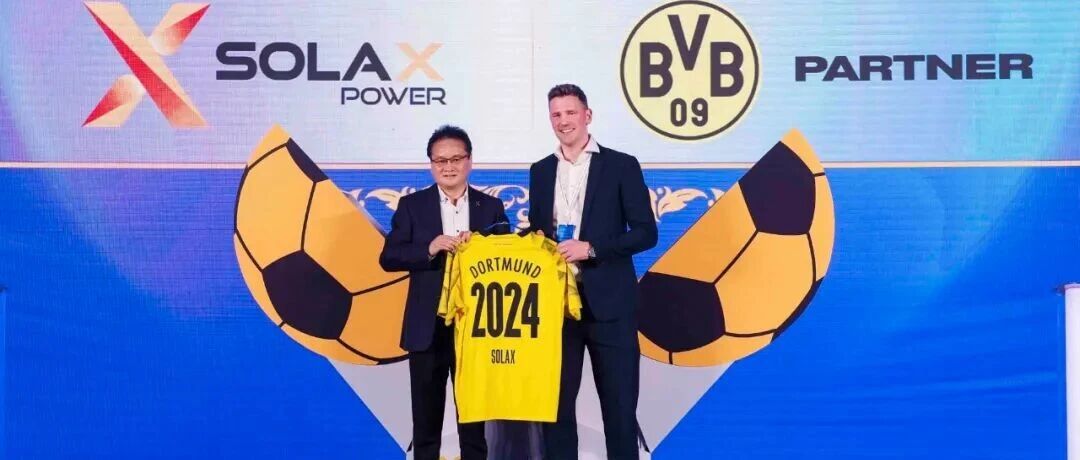
Core Viewpoint - The global photovoltaic and energy storage market is transitioning from "scale expansion" to "high-quality development," focusing on technology iteration, service experience, and sustainability rather than just capacity competition [1]. Group 1: Market Trends - The demand in overseas markets is shifting from "high-performance products" to "user-friendly, durable, and green overall solutions" [1]. - The recent power outage in Spain highlighted the importance of energy storage systems for maintaining energy balance in Europe [5]. - The challenge of over 700 million people in Africa, Asia, and Latin America lacking electricity is driving the industry to further reduce the cost of photovoltaic and energy storage solutions [5]. Group 2: Company Strategies - GoodWe aims to create a new ecosystem of energy producers and consumers by enabling users to generate and use green electricity on-site, significantly reducing electricity costs from an average of 0.8 yuan/kWh to 0.2-0.3 yuan/kWh [3][5]. - The company has established a brand strategy to become a leader in smart energy solutions, focusing on user engagement and sustainable practices [3][11]. - Airo, a storage solution expert, emphasizes the need for integrated, intelligent systems that address customer demands for seamless energy generation, storage, and usage [8][12]. Group 3: Brand Building and Marketing - GoodWe recognizes the importance of building brand awareness around end-users, as they ultimately become energy producers and consumers [3]. - Airo has engaged in brand marketing by sponsoring Borussia Dortmund, leveraging the club's influence to build long-term trust in the German market [9][10]. - Both companies utilize LinkedIn to precisely target and connect with core customer groups, enhancing brand promotion and customer engagement [6][10]. Group 4: ESG Commitment - GoodWe joined the UN Global Compact in 2021 and established a sustainable development research institute in 2023 to elevate ESG to a strategic level [11]. - The company aims to integrate ESG practices into every aspect of its operations, ensuring that sustainability is not just a compliance issue but a core part of its business model [12]. - Airo emphasizes that ESG is fundamental to product development and operations, focusing on transparency, safety, and sustainability in its supply chain [12][13].

光储行业迎数字化转型加速期 ,通威股份打造数智升级“通威样本”
Cai Fu Zai Xian· 2025-12-01 06:46
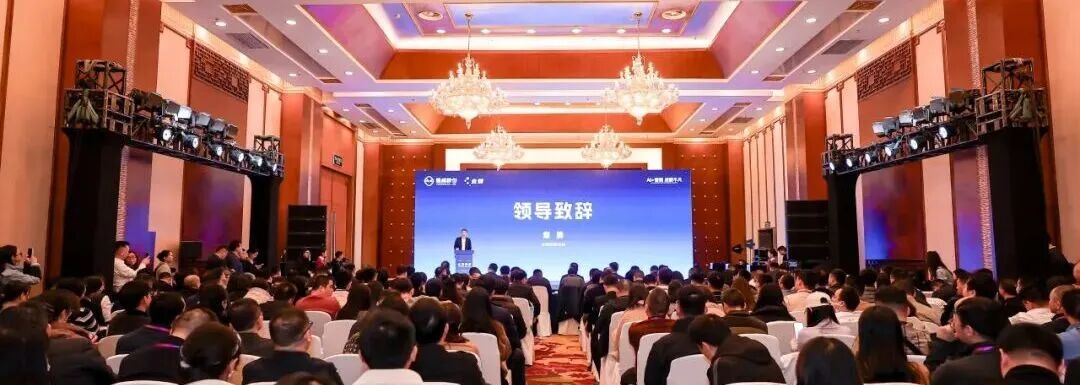
Core Insights - The event showcased the collaboration between Tongwei Co., Ltd. and Kingdee to promote digital transformation in the photovoltaic and energy storage industries, providing a reference model for industry upgrades and high-quality development [1][6][11] Group 1: Digital Transformation Initiatives - Kingdee presented its comprehensive digital transformation solutions for the photovoltaic and energy storage sectors, emphasizing the role of AI and management in driving industry advancements [3][5][18] - Tongwei has initiated a digital 4.0 construction project to address challenges related to scale expansion and global operations, achieving significant milestones in just eight months [12][15] - The financial shared services center of Tongwei has implemented a 2.0 version to enhance efficiency and risk management, supporting the company's global strategy [15][18] Group 2: AI and Industry Evolution - The photovoltaic and energy storage industries are experiencing explosive growth due to the global shift towards clean energy, with AI technologies reshaping the value chain [6][19] - AI is seen as a high-level stage of digital development, transitioning from basic statistical analysis to advanced models and autonomous decision-making processes [9][11] - Kingdee aims to leverage AI to enhance business processes and create new revenue models, contributing to the overall digital transformation of the industry [9][19] Group 3: Collaborative Efforts and Future Directions - The partnership between Tongwei and Kingdee is positioned as a benchmark for digital transformation, fostering continuous management innovation and business development [11][12] - Future plans include deepening collaboration to enhance the digital platform and support the industry's transition towards a more intelligent and efficient energy system [12][19] - The ultimate goal is to create a highly collaborative and intelligent digital network that addresses industry challenges and drives high-quality development [19][21]

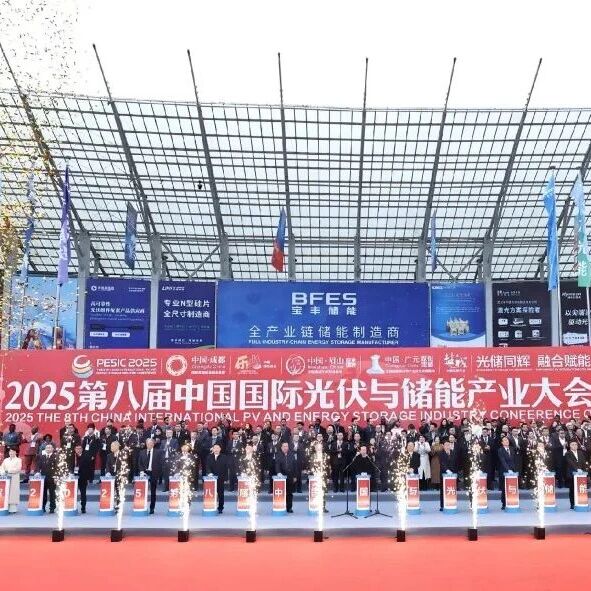
签约总额超330亿元!2025第八届中国国际光伏与储能产业大会“成绩单”亮眼
Bei Jing Shang Bao· 2025-11-27 15:40
Core Insights - The 2025 8th China International Photovoltaic and Energy Storage Industry Conference was held in Chengdu, focusing on the theme "Solar Storage Co-prosperity, Integration Empowerment, Intelligent Innovation for the Future" [1] - The conference attracted over 5,000 participating and exhibiting companies, with total project signing amounts exceeding 33 billion RMB [1][7] - The event featured high-profile guests, including government leaders and industry experts, marking a record attendance and participation [3][4] Group 1: Event Overview - The conference is recognized as one of the top three international events in the photovoltaic and energy storage industry globally, alongside the Shanghai SNEC and the Munich Solar PV Exhibition [2] - The event spanned four days, hosting a total of 45 meetings, including main conferences and parallel sessions, with over 50,000 attendees [1][8] - The conference emphasized high standards and global perspectives, showcasing the industry's vitality and future prospects [1][6] Group 2: Participation and Impact - More than 2,500 core guests attended, including significant government officials and leaders from major companies such as Tongwei Group and Huawei Digital Energy [3] - The event was supported by nearly 100 authoritative organizations, enhancing its credibility and reach [4] - Over 100 international buyers participated, promoting global cooperation in the energy sector [5] Group 3: Project and Economic Outcomes - The conference facilitated project signings totaling over 33 billion RMB, covering the entire energy chain, including photovoltaic, energy storage, hydrogen, and equipment manufacturing [7] - The event's focus on high-quality projects and broad coverage reflects its commitment to fostering industry growth [7] Group 4: Industry Development and Initiatives - The conference released the "Chengdu Declaration" and a sustainable supply chain initiative to address industry competition and promote collaboration [9] - It also launched the "2025 China and Global New Energy Development White Paper" and the first global photovoltaic battery quality white paper [9] Group 5: Media and Public Engagement - The event garnered attention from over 200 media outlets, with online coverage exceeding 200 million views [11] - A new media alliance for the global solar storage industry was established to enhance storytelling about China's solar storage developments [11] Group 6: Volunteer and Support Services - Over 400 volunteers provided comprehensive services during the conference, ensuring smooth operations [12]
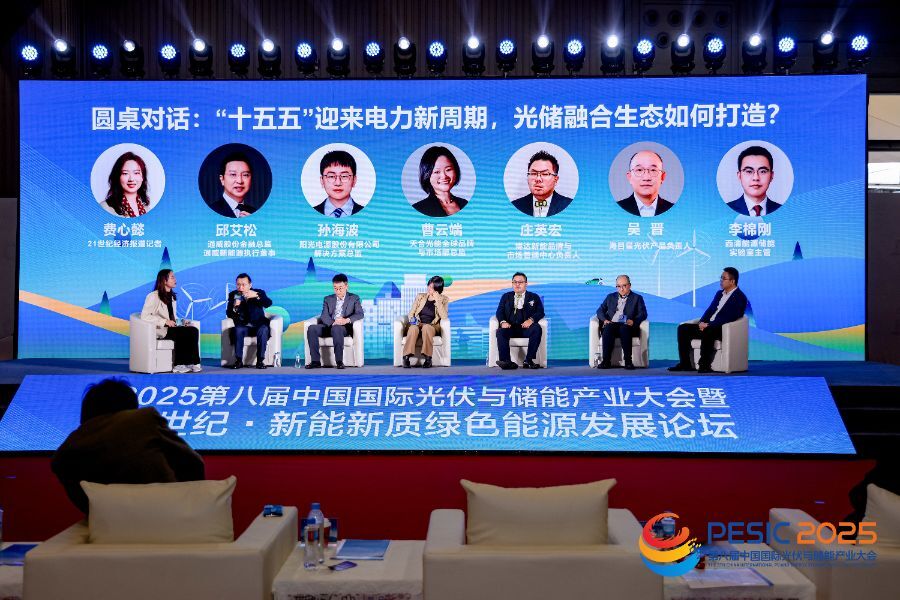
迎接电力新周期,光储融合生态构建需规则、技术与场景协同
2 1 Shi Ji Jing Ji Bao Dao· 2025-11-25 04:13
Core Insights - The power industry is undergoing a profound transformation from scale expansion to high-quality development, with photovoltaic (PV) and energy storage as core pillars of the new power system [1] - The integration of PV and energy storage has shifted from an optional choice to a mandatory requirement, emphasizing the need for a robust ecosystem [1] Industry Transition - The "14th Five-Year Plan" period marks the end of subsidy-dependent growth in the PV and energy storage sector, transitioning to a market-driven high-quality development phase [2] - Industry competition has evolved from mere scale to a comprehensive assessment of technology, application scenarios, and service capabilities [2] - The urgency of restructuring market rules is highlighted, as it significantly impacts production costs and the healthy development of the industry [2] Technological Innovation - New energy storage, particularly grid-forming storage, is becoming essential for integrating renewable energy, with a shift from policy-driven to market-driven operations [2] - Safety is emphasized as a fundamental requirement for energy storage's participation in market transactions, with proactive monitoring systems being developed to enhance safety [3] - The focus on scenario innovation is crucial, with policies mandating that new renewable energy projects must have supporting scenarios [3] Market Strategies - Companies are adopting strategies focused on high-quality orders, particularly in overseas markets, to achieve mutual benefits through product upgrades and service optimization [4] - The integration of PV manufacturing and energy storage technologies is seen as a natural synergy, enhancing cost efficiency and reliability [8] Ecosystem Development - The industry is moving towards a collaborative ecosystem that bridges laboratory innovations to industrial applications, unlocking economic, social, and ecological value [9] - Continuous R&D investment is identified as a key driver for companies to maintain technological leadership and ensure the feasibility of industrial applications [9] - The establishment of collaborative initiatives, such as the "700W+ Photovoltaic Open Innovation Ecosystem Alliance," is crucial for scaling high-efficiency technologies [11] Future Directions - The focus on high-end, intelligent, and green production is seen as essential for industry upgrades, with AI technology expected to enhance manufacturing and operational efficiency [11] - The challenge of industrializing advanced technologies, such as solid-state and lithium-sulfur batteries, is acknowledged, with partnerships for pilot testing being a potential solution [12]


迎接电力新周期,光储融合生态构建需规则、技术与场景协同
2 1 Shi Ji Jing Ji Bao Dao· 2025-11-25 03:39
Core Viewpoint - The power industry is undergoing a profound transformation from scale expansion to high-quality development, with the integration of photovoltaic (PV) and energy storage becoming a necessity rather than an option [1][3]. Industry Trends - The "14th Five-Year Plan" period marks the end of subsidy-dependent growth in the PV and energy storage sector, transitioning to a market-driven high-quality development phase [3]. - Industry competition has shifted from mere scale to a comprehensive evaluation of technology, application scenarios, and service capabilities [3]. - The urgency of restructuring market rules is emphasized, as it significantly impacts production costs and the healthy development of the industry [3]. Technological Innovations - New energy storage technologies, particularly grid-connected storage, are transitioning from policy-driven mandates to independent market operations, with high quality, safety, and economic efficiency as core requirements [3][4]. - Companies are focusing on technological innovations such as the integration of AI and advanced materials to enhance energy efficiency and reduce costs [11][12]. Application Scenarios - The integration of PV and energy storage is expanding from traditional power plants to diverse fields, necessitating a shift from single-device supply to system-level collaborative solutions [7]. - Key application scenarios identified include green electricity substitution for high-energy-consuming enterprises, optimization of renewable energy transmission channels, and support for green computing centers [7][8]. Safety and Risk Management - Safety is highlighted as a fundamental aspect of high-quality energy storage development, with proactive monitoring and risk management systems being implemented to ensure operational safety [5][6]. - The focus is on transitioning from passive responses to active prevention of safety risks through advanced monitoring technologies [5]. Ecosystem Collaboration - The industry is moving towards a collaborative ecosystem that bridges laboratory innovations with industrial applications, aiming to unlock economic, social, and ecological value [10]. - Companies are investing in R&D and forming alliances to promote the large-scale application of advanced technologies, ensuring a balance between technological leadership and industrial feasibility [10][11]. Market Dynamics - The market is witnessing a shift from price competition to value competition, driven by technological advancements and the need for sustainable practices [10][12]. - The establishment of virtual power plants and the integration of distributed energy resources are becoming popular directions in the industry [8].