消费者体验

Search documents
Deckers(DECK) - 2026 Q3 - Earnings Call Transcript
2026-01-29 22:32
Financial Data and Key Metrics Changes - For the third quarter, the company reported revenue of $1.96 billion, a 7% increase compared to the prior year [9][30] - Gross margin for the quarter was 59.8%, better than expected due to lower-than-anticipated tariff impacts and effective pricing actions [31] - Diluted earnings per share reached a record $3.33, reflecting an 11% increase year-over-year [10][32] Business Line Data and Key Metrics Changes - HOKA revenue increased by 18% to $629 million, contributing $98 million in incremental revenue [30] - UGG revenue grew by 5% to a record $1.3 billion, adding $61 million in incremental revenue [30] - Direct-to-consumer (DTC) revenue for UGG increased by 5%, while wholesale revenue grew by 4% [13] Market Data and Key Metrics Changes - International markets saw a 15% revenue increase for HOKA and UGG combined, while the U.S. market experienced a 5% increase [9] - HOKA's market share in the U.S. road running category above $140 significantly increased, indicating strong brand performance [21] Company Strategy and Development Direction - The company aims for continued international expansion and brand performance, focusing on consumer demand and product development [5][28] - Strategic initiatives include enhancing DTC channels and maintaining a balanced approach between DTC and wholesale [20][28] - The company is committed to returning value to shareholders through a share repurchase program, with over $1 billion expected to be repurchased in fiscal year 2026 [34] Management's Comments on Operating Environment and Future Outlook - Management expressed confidence in sustaining growth momentum for both UGG and HOKA, driven by strong consumer demand and effective marketplace management [42] - The company raised its full-year revenue expectations to a range of $5.4 billion to $5.425 billion, reflecting strong brand performance [34] Other Important Information - The company repurchased approximately $349 million worth of shares in the third quarter, with a total of about $1.8 billion remaining authorized for share repurchases [33] - The company has a disciplined approach to managing the global marketplace to sustain strong full-price sales [39] Q&A Session Summary Question: What has driven the improvement in HOKA's business? - Management noted that spacing out key franchise launches and tightening inventories contributed to the improvement, with confidence in sustainability going forward [47][49] Question: Can you elaborate on the lifestyle segment's development? - The company is focusing on enhancing capabilities in innovation and design, with positive early reads on new lifestyle products [52] Question: How should we think about UGG's channel strategy moving forward? - Management indicated a balanced growth strategy across all channels, with continued segmentation and differentiation expected [57][58] Question: What is the outlook for the U.S. consumer? - Management remains cautious but optimistic, noting strong brand performance despite economic uncertainties [83][84] Question: How is the DTC business performing for HOKA and UGG? - Both brands performed well, with sequential improvements noted in the U.S. DTC business [90][91]

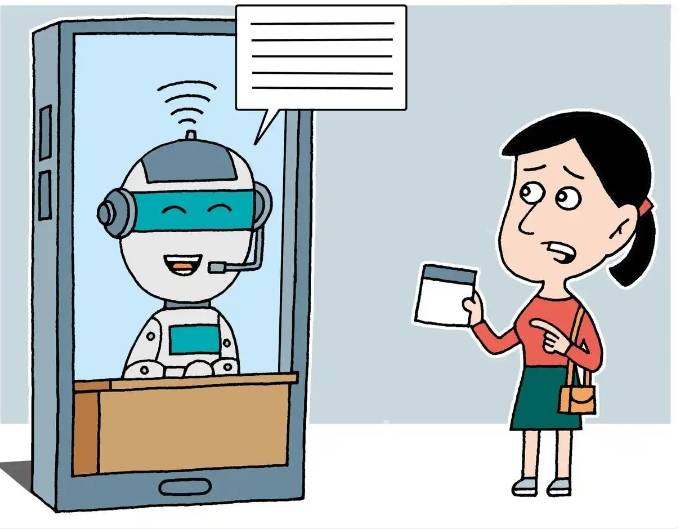
别再逼着消费者大喊转人工了 网友:客服就像在玩捉迷藏一样难找
Sou Hu Cai Jing· 2025-05-10 13:34
Core Viewpoint - The current implementation of intelligent customer service is failing to meet consumer needs, leading to frustration and dissatisfaction with businesses [1][3][5] Group 1: Issues with Intelligent Customer Service - Many consumers find that intelligent customer service systems are ineffective for complex inquiries, often resulting in wasted time and unresolved issues [3][5] - The transition to human customer service is often cumbersome, with many businesses making it difficult to reach a live representative, leading to further consumer frustration [3][6] - There is a perception that businesses prioritize cost savings over effective customer service, using subpar intelligent systems that do not adequately address consumer problems [5][6] Group 2: Impact on Consumer Experience - Poor customer service experiences can lead to a loss of consumer trust and loyalty, ultimately affecting a business's long-term success [6][8] - The disconnect between intelligent and human customer service can exacerbate issues, as consumers may feel their concerns are not being adequately addressed [6][8] - Businesses need to recognize that enhancing customer satisfaction is crucial for sustaining their operations and reputation in the market [8] Group 3: Recommendations for Improvement - Companies should invest in better technology and training to improve the effectiveness of intelligent customer service systems [6] - A more seamless integration between intelligent and human customer service is necessary, ensuring that complex issues are quickly escalated to human representatives [6] - Training for customer service personnel should be prioritized to enhance their ability to resolve issues efficiently and effectively [6]