
人工客服

Search documents
别再让人工客服跟用户“躲猫猫”了
Xin Lang Cai Jing· 2025-12-20 07:45
Core Viewpoint - The article discusses the challenges and limitations of intelligent customer service systems compared to human customer service, emphasizing the need for a balanced approach that integrates both to enhance customer experience [5][7]. Group 1: Limitations of Intelligent Customer Service - Intelligent customer service systems are cost-effective and available 24/7, but they struggle with complex or personalized issues, often providing irrelevant or mechanical responses [5][6]. - Users often find themselves frustrated when trying to reach human customer service, leading to a perception of inadequate service and wasted time [5][7]. Group 2: Importance of Human Customer Service - Customer service is crucial for building trust and a positive image for companies, and the role of human customer service representatives is essential in achieving this goal [5][6]. - Over-reliance on intelligent customer service can lead to a degradation of service quality and a violation of consumer choice, as users may find it difficult to access human representatives when needed [5][7]. Group 3: Regulatory Attention and Recommendations - Regulatory bodies, such as the Ministry of Industry and Information Technology, are increasingly focusing on the lack of human customer service and are implementing policies to improve service capabilities [6][7]. - Recommendations include optimizing the performance of intelligent customer service, establishing minimum human customer service ratios based on user scale, and creating easy access points for users to reach human representatives [6][7].


找到人工客服的最好方法,除了发疯还有什么?
虎嗅APP· 2025-12-13 03:08
Core Viewpoint - The article discusses the deteriorating customer service experience in the internet industry, likening it to a challenging game where users struggle to reach human customer service representatives. The piece highlights the increasing reliance on AI and outsourced customer service, which often leads to unsatisfactory interactions for users [5][8][27]. Group 1: Customer Service Challenges - Finding human customer service on internet platforms has become increasingly difficult, requiring users to navigate through multiple layers of AI and scripted responses [12][16]. - AI customer service often fails to understand user queries, leading to frustration and the need for users to resort to unconventional methods to reach human agents [12][14]. - The experience of reaching a competent human customer service representative has become rare, with companies treating skilled agents as scarce resources hidden behind complex systems [25][26]. Group 2: Cost-Cutting and Industry Trends - The customer service industry is highly competitive and standardized, with companies focusing on cost reduction by outsourcing and utilizing AI [28][30]. - Companies typically retain sensitive operations in-house while outsourcing routine tasks to third-party service providers, which can lead to a decline in service quality [31][32]. - The trend of moving customer service operations from first-tier cities to lower-tier cities has resulted in cost savings but may also impact service quality due to varying employee skill levels [36][37]. Group 3: The Future of Customer Service - The article suggests that while AI is becoming more prevalent in customer service, it currently lacks the emotional intelligence needed to handle complex customer interactions effectively [39][40]. - The shift from a customer-centric approach to a cost-centric model has led to a significant decline in service quality, with companies prioritizing immediate financial savings over long-term customer satisfaction [43][44]. - There is a call for a more straightforward and efficient customer service process that does not frustrate users, emphasizing the need for genuine assistance rather than scripted responses [52][53].

人工客服何时不再“人间蒸发”
Sou Hu Cai Jing· 2025-10-31 05:16
Core Viewpoint - The Ministry of Industry and Information Technology has named several companies, including Sogou Browser and iQIYI, for difficulties in connecting to human customer service, highlighting a significant issue in customer service management [2] Group 1: Customer Service Challenges - The shortage of human customer service representatives is attributed to high job pressure, intense workload, and frequent turnover [2] - The widespread adoption of intelligent customer service systems aims to reduce labor and management costs, but these systems often fail to understand customer inquiries, leading to increased communication costs and high complaint rates [2] Group 2: Need for Human Interaction - Improving the intelligence of customer service systems is a key area for enhancement, but personalized needs that exceed the capabilities of these systems still require human intervention [2] - Maintaining a reasonable proportion of human customer service is essential for preventing service quality degradation, which can lead to customer attrition and is also a responsibility to protect consumer rights [2]
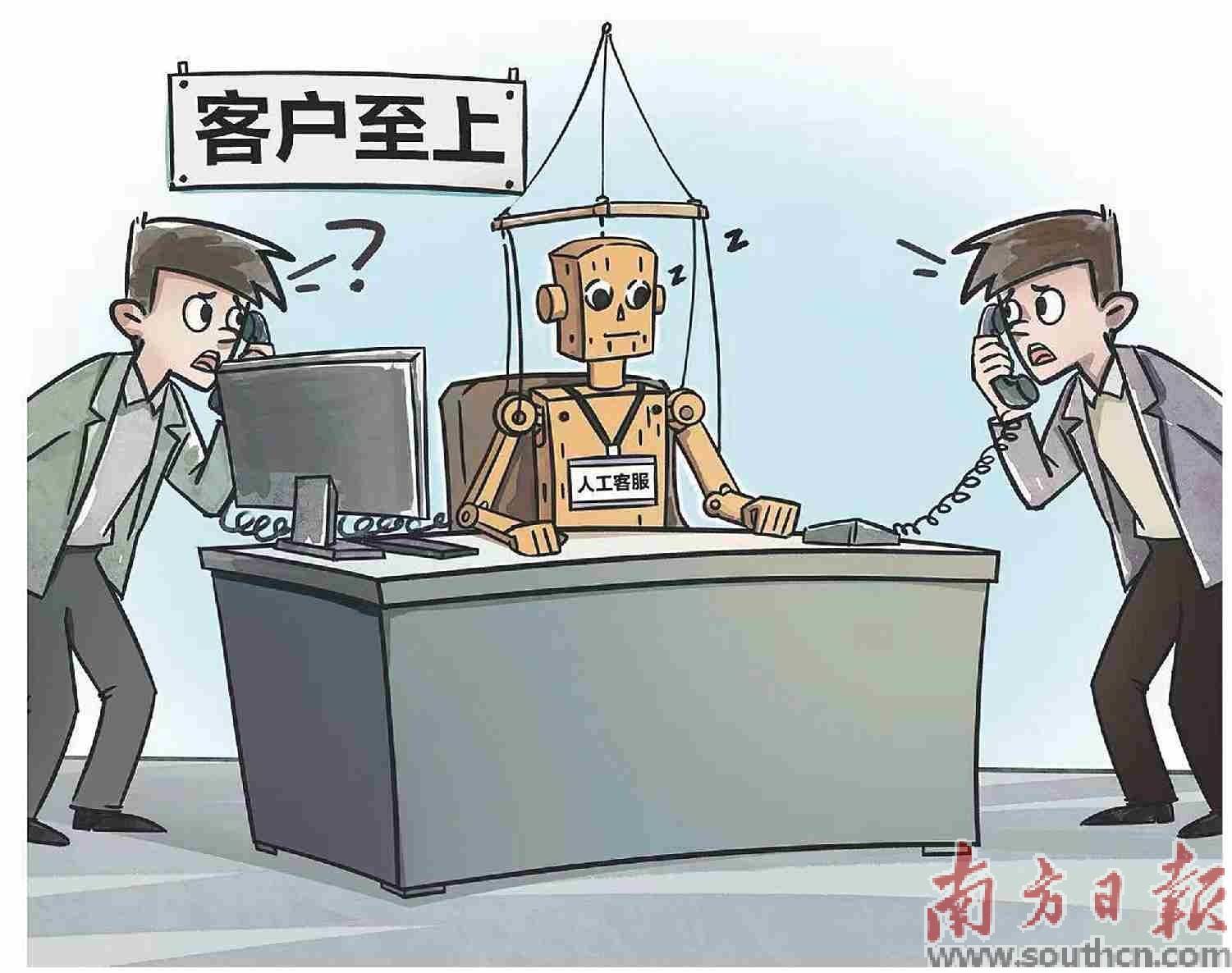
想转人工客服,智能助手竟3次“阻拦”!平台不能光想着省钱,老年人迫切需要“一键转人工”
Huan Qiu Wang Zi Xun· 2025-10-22 06:16
Core Viewpoint - The report highlights the challenges faced by elderly users when seeking customer service through mobile applications, emphasizing the need for better access to human customer support rather than relying solely on automated systems [1]. Group 1: User Experience Challenges - Elderly users often struggle to find customer service options within apps, leading to frustration when they encounter issues [2]. - Many platforms utilize automated customer service that fails to address the specific needs of older users, resulting in generic responses that do not resolve their problems [2][3]. - The reliance on automated systems can lead to disconnection during conversations, further aggravating the user experience for elderly individuals who may take longer to communicate their issues [2][3]. Group 2: Preference for Human Interaction - Elderly users express a strong preference for direct communication with human representatives rather than navigating through automated menus [3]. - The complexity of automated systems often leads to confusion, as users may struggle to find the correct options to reach human support [3][4]. - There is a notable demand for a more straightforward approach to customer service that prioritizes human interaction, especially for older demographics [5]. Group 3: Industry Recommendations - Experts suggest that companies should balance the use of automated and human customer service to enhance user experience, particularly for older users [5]. - Implementing features like "one-click transfer to human support" is recommended to ensure that customer service systems serve as effective tools rather than obstacles [5].
消失的人工客服,“智障”的AI客服
3 6 Ke· 2025-06-04 10:33
Core Insights - The increasing reliance on AI customer service in various industries has led to significant consumer dissatisfaction, particularly during high-demand periods like the e-commerce 618 shopping festival [1][2] - Complaints related to AI customer service have surged, with a reported 56.3% year-on-year increase in complaints related to "intelligent customer service" in the e-commerce after-sales service sector [2] - The effectiveness of AI customer service is being questioned, as many consumers prefer human customer service, which they find more effective despite longer wait times [2][3] Group 1: Consumer Experience - Many consumers report that AI customer service struggles to understand human language, leading to ineffective communication and frustration [1][2] - A significant portion of users (30.98%) feel that AI customer service does not adequately cater to vulnerable groups such as the elderly and disabled [2] - A test of 30 commonly used apps revealed that 40% failed to connect users to human customer service, with many requiring long wait times to reach a representative [3] Group 2: AI Customer Service Limitations - The primary shortcomings of AI customer service include an inability to resolve personalized issues, mechanical responses, and poor comprehension of inquiries [2] - The current implementation of AI customer service often prioritizes efficiency and cost-cutting over quality service, leading to a decline in overall consumer experience [6] - There is a need for businesses to enhance AI technology through better algorithms and natural language processing to improve service quality [7] Group 3: Recommendations for Improvement - Companies should not view AI and human customer service as mutually exclusive; instead, they should integrate both to enhance customer experience [6][7] - Providing a straightforward option for customers to reach human representatives is essential, especially for complex issues that AI cannot handle effectively [6] - Businesses should focus on optimizing AI for specific service scenarios to ensure it meets customer needs without compromising service quality [7]
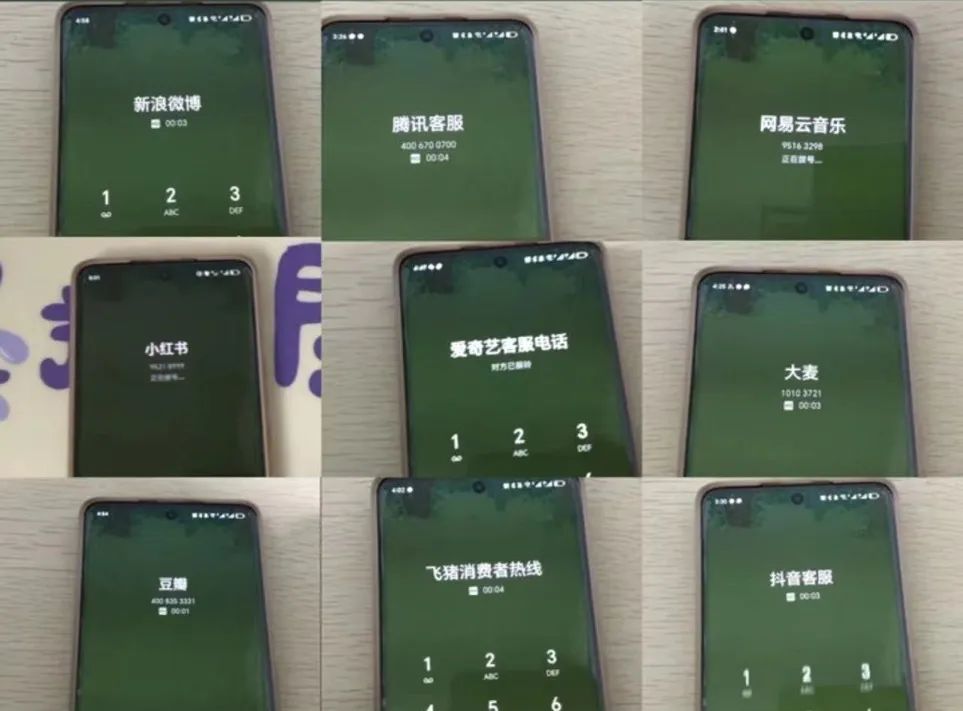
别再逼着消费者大喊转人工了 网友:客服就像在玩捉迷藏一样难找
Sou Hu Cai Jing· 2025-05-10 13:34
Core Viewpoint - The current implementation of intelligent customer service is failing to meet consumer needs, leading to frustration and dissatisfaction with businesses [1][3][5] Group 1: Issues with Intelligent Customer Service - Many consumers find that intelligent customer service systems are ineffective for complex inquiries, often resulting in wasted time and unresolved issues [3][5] - The transition to human customer service is often cumbersome, with many businesses making it difficult to reach a live representative, leading to further consumer frustration [3][6] - There is a perception that businesses prioritize cost savings over effective customer service, using subpar intelligent systems that do not adequately address consumer problems [5][6] Group 2: Impact on Consumer Experience - Poor customer service experiences can lead to a loss of consumer trust and loyalty, ultimately affecting a business's long-term success [6][8] - The disconnect between intelligent and human customer service can exacerbate issues, as consumers may feel their concerns are not being adequately addressed [6][8] - Businesses need to recognize that enhancing customer satisfaction is crucial for sustaining their operations and reputation in the market [8] Group 3: Recommendations for Improvement - Companies should invest in better technology and training to improve the effectiveness of intelligent customer service systems [6] - A more seamless integration between intelligent and human customer service is necessary, ensuring that complex issues are quickly escalated to human representatives [6] - Training for customer service personnel should be prioritized to enhance their ability to resolve issues efficiently and effectively [6]
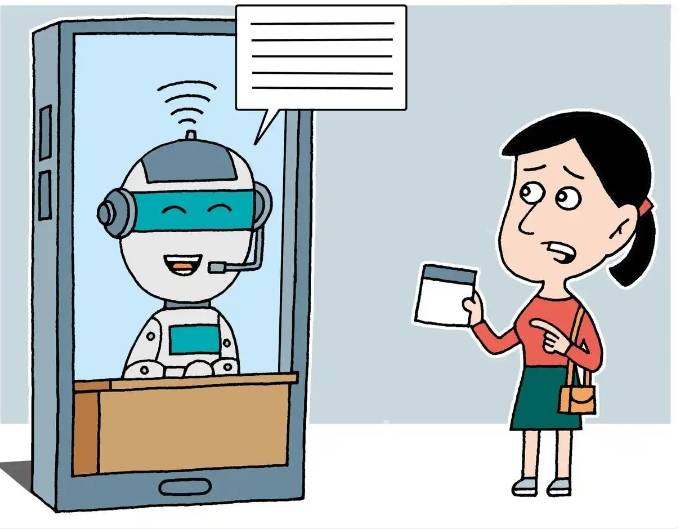
新华时评·民生无小事丨“转人工客服”,少打弯弯绕!
Xin Hua She· 2025-05-07 09:01
Core Insights - The article highlights the inefficiencies and frustrations associated with the current state of customer service, particularly the challenges faced when transitioning from automated to human customer support [1][2] - It emphasizes the need for companies to adopt a consumer-centric service approach to enhance customer experience and address the issues related to "turning to human support" [1][2] Group 1: Customer Service Challenges - A significant portion of consumer complaints during the recent holiday period was related to poor customer service, including difficulties in reaching human representatives [1] - Complaints regarding automated customer service systems have surged, with a reported 56.3% year-on-year increase in related complaints in the e-commerce sector for 2024 [1] Group 2: Recommendations for Improvement - Companies are urged to optimize the process for accessing human customer service, including simplifying procedures and implementing features like "one-click transfer to human service" for vulnerable groups [2] - It is essential to clearly define the roles of automated and human customer service to improve efficiency and responsiveness to consumer needs [2] - The article stresses that the core mission of customer service should be to resolve issues effectively, rather than using automated systems as a means to avoid direct customer interaction [2]