深水油气勘探开发

Search documents
刷新纪录!我国在这一领域实现重大跨越
Sou Hu Cai Jing· 2025-12-15 05:58
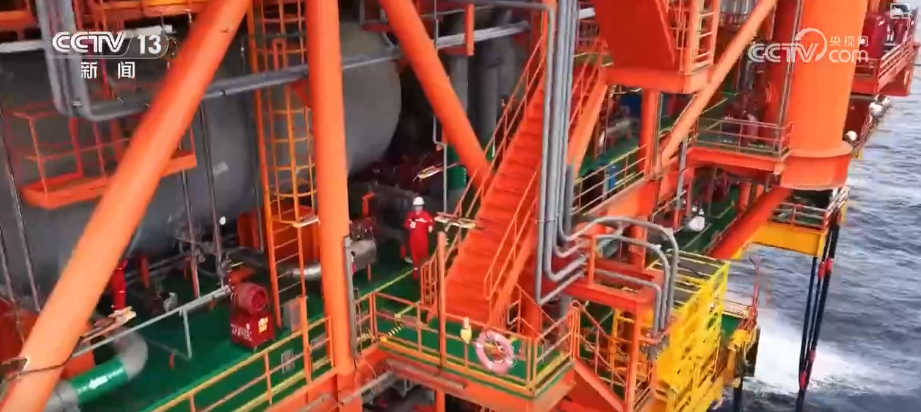
Core Viewpoint - The successful full production of the Liuhua oil field's secondary development project marks a significant advancement in China's deepwater oilfield development capabilities, achieving a daily crude oil output of 3,900 tons and setting a new production capacity record [1][3]. Group 1: Project Overview - The Liuhua oil field, China's first deepwater oil field, has fully commenced its secondary development project, consisting of 32 production wells, with an expected annual output exceeding 1 million tons next year [1]. - The project is located approximately 240 kilometers southeast of Shenzhen, utilizing the "Haiji No. 2" deepwater jacket platform and includes a subsea production system and a cylindrical offshore oil and gas processing plant [1][3]. - Since the first production wells were put into operation in September of last year, the cumulative crude oil production has surpassed 900,000 tons [1]. Group 2: Technological Innovations - The "Haiji No. 2" platform incorporates 15 globally leading technologies and features a highly integrated digital twin system that optimizes maintenance strategies and reduces operational costs [9]. - The platform is designed for deepwater operations, standing at 428 meters tall and weighing over 50,000 tons, making it the highest and heaviest offshore oil production platform in Asia [9]. - The project has successfully implemented a set of stable oil control and water management technologies, significantly improving the oil recovery rate and extending the operational lifespan of the oil field by 30 years [14]. Group 3: Industry Significance - The development of the Liuhua oil field represents a breakthrough in addressing the challenges of deepwater reef limestone oil reservoir extraction, which is recognized as a global technical difficulty [5][12]. - China's deepwater oil and gas exploration and development capabilities have made historic progress, with the country becoming one of the few able to independently conduct deepwater oil and gas exploration [15]. - The deepwater oil and gas production capacity has exceeded 12 million tons of oil equivalent, contributing significantly to national energy security [19].


3900吨,投运,新纪录!深海开采“硬核实力”筑牢经济发展“硬支撑”
Yang Shi Wang· 2025-12-14 05:30
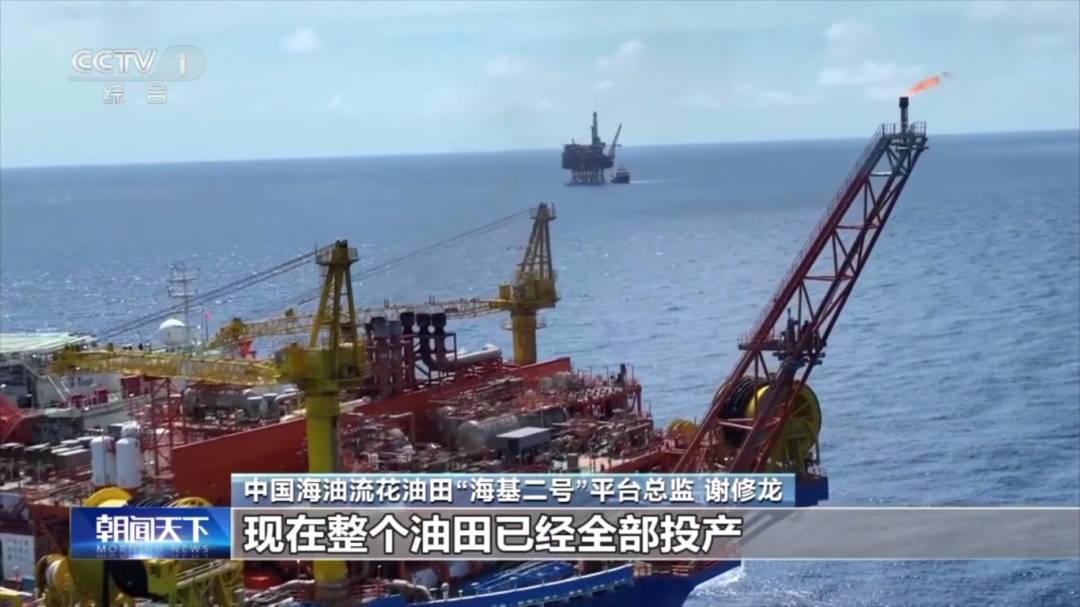
Core Viewpoint - The successful full production of the Liuhua oil field's secondary development project marks a significant advancement in China's deepwater oilfield development capabilities, with daily crude oil production reaching 3,900 tons, setting a new record [1][5][30]. Group 1: Project Overview - The Liuhua oil field secondary development project consists of the Liuhua 11-1 and 4-1 oil fields, with an average water depth of 305 meters [3][20]. - The project includes 32 production wells, with a total drilling depth exceeding 75,000 meters, and aims to achieve an annual production of over 1 million tons by 2026 [1][19]. Group 2: Technological Innovations - The project utilizes advanced technologies, including a deepwater jacket platform and a cylindrical floating production storage and offloading unit, to enhance oil recovery and efficiency [9][22]. - The "Haiji No. 2" platform, a key asset in the project, incorporates 15 globally leading technologies and features a digital twin system for optimal maintenance strategies [13][15]. Group 3: Production Achievements - Since the first production wells were put into operation in September 2024, the project has produced over 900,000 tons of crude oil [3][5]. - The daily production rate has reached a new high, surpassing previous records set in the last 22 years of oil field operations [5][24]. Group 4: Industry Impact - The successful development of the Liuhua oil field represents a breakthrough in tackling the challenges of deepwater reef limestone oil reservoir extraction, which is recognized as a global technical difficulty [7][20]. - China's deepwater oil and gas exploration and development capabilities have made significant strides, with the country becoming one of the few able to independently conduct deepwater oil and gas exploration [26][30].