
海基二号

Search documents
中国工程院院士汤广福:以高水平能源科技自立自强,筑牢能源强国建设根基
Xin Lang Cai Jing· 2026-02-12 09:28
Group 1 - The core viewpoint emphasizes the importance of energy technology innovation as a fundamental driver for building a new energy system and achieving energy independence in the context of global competition [1][2][12] - The 2026 National Energy Work Conference outlines seven tasks, with a focus on accelerating energy technology innovation as a key priority [1][12] Group 2 - Since the 18th National Congress, China's energy sector has implemented an innovation-driven development strategy, achieving significant advancements in energy technology, transitioning from "catching up" to "keeping pace" and in some areas "leading" [2][13] - In 2024, China's primary energy production and consumption are projected to reach 4.98 billion and 5.96 billion tons of standard coal, accounting for 26.8% and 27.7% of global totals, respectively [2][13] - The total installed power generation capacity in China has surpassed 3.7 billion kilowatts, maintaining the world's leading position [2][13] Group 3 - Technological innovations have accelerated the green transition, establishing the world's largest renewable energy system, with renewable energy installations exceeding thermal power for the first time [2][13] - The "West-East Power Transmission" project has a transmission capacity of approximately 340 million kilowatts, with over 20% of the electricity transmitted being renewable energy [2][13] Group 4 - The construction of an energy powerhouse is a historic leap, with China facing challenges in energy transition and security under dual constraints of supply and carbon reduction [4][15] - Energy consumption has increased by approximately 98 million tons of standard coal during the first four years of the 14th Five-Year Plan, with continued rigid growth expected during the 15th Five-Year Plan [4][15] - The reliance on coal is shifting from a foundational energy source to a regulatory one, with a declining proportion of coal-fired power generation [4][15] Group 5 - The transformation of the energy system is profound, with challenges in the green transition due to the inherent variability of renewable energy sources [5][16] - The need for energy technology innovation is critical to address these challenges, focusing on breakthroughs in fundamental theories, key materials, and core equipment [5][16] Group 6 - The construction of a new energy system must focus on high-efficiency power generation technologies and the development of non-fossil energy sources, with predictions indicating that by 2060, non-fossil energy consumption will exceed 80% [6][17] - Key areas for technological breakthroughs include clean coal utilization, new oil and gas development technologies, and the establishment of a robust energy supply system [6][17] Group 7 - The new power system is essential for accommodating a high proportion of renewable energy, requiring advancements in grid integration and stability analysis methods [7][18] - Hydrogen energy is projected to become a significant component of future energy consumption, necessitating breakthroughs in hydrogen production and storage technologies [7][18] Group 8 - The 14th Five-Year Plan period is crucial for accelerating energy structure adjustments and transitioning to new energy sources, emphasizing the need for a strong innovation ecosystem [8][19] - Recommendations include enhancing national strategic tasks, improving major scientific infrastructure, and fostering collaboration among research institutions and leading enterprises [8][19][20]
刷新纪录!我国在这一领域实现重大跨越
Sou Hu Cai Jing· 2025-12-15 05:58
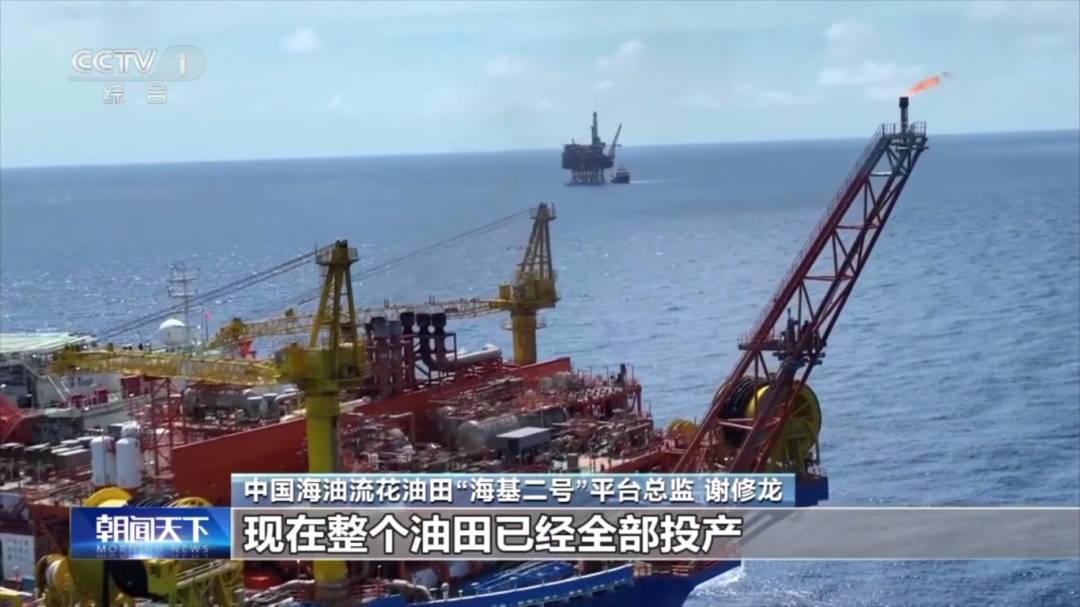
Core Viewpoint - The successful full production of the Liuhua oil field's secondary development project marks a significant advancement in China's deepwater oilfield development capabilities, achieving a daily crude oil output of 3,900 tons and setting a new production capacity record [1][3]. Group 1: Project Overview - The Liuhua oil field, China's first deepwater oil field, has fully commenced its secondary development project, consisting of 32 production wells, with an expected annual output exceeding 1 million tons next year [1]. - The project is located approximately 240 kilometers southeast of Shenzhen, utilizing the "Haiji No. 2" deepwater jacket platform and includes a subsea production system and a cylindrical offshore oil and gas processing plant [1][3]. - Since the first production wells were put into operation in September of last year, the cumulative crude oil production has surpassed 900,000 tons [1]. Group 2: Technological Innovations - The "Haiji No. 2" platform incorporates 15 globally leading technologies and features a highly integrated digital twin system that optimizes maintenance strategies and reduces operational costs [9]. - The platform is designed for deepwater operations, standing at 428 meters tall and weighing over 50,000 tons, making it the highest and heaviest offshore oil production platform in Asia [9]. - The project has successfully implemented a set of stable oil control and water management technologies, significantly improving the oil recovery rate and extending the operational lifespan of the oil field by 30 years [14]. Group 3: Industry Significance - The development of the Liuhua oil field represents a breakthrough in addressing the challenges of deepwater reef limestone oil reservoir extraction, which is recognized as a global technical difficulty [5][12]. - China's deepwater oil and gas exploration and development capabilities have made historic progress, with the country becoming one of the few able to independently conduct deepwater oil and gas exploration [15]. - The deepwater oil and gas production capacity has exceeded 12 million tons of oil equivalent, contributing significantly to national energy security [19].


我国首个深水油田二次开发项目全面投产,日产原油3900吨创纪录
Sou Hu Cai Jing· 2025-12-14 08:07
Core Insights - China's first deepwater oil field, the Liuhua Oilfield, has fully commenced its secondary development project, achieving a daily crude oil production of 3,900 tons, setting a new production capacity record [1][4] - The project consists of 32 production wells and is expected to exceed one million tons in output next year [4] Group 1: Project Overview - The Liuhua Oilfield secondary development project is composed of the Liuhua 11-1 and 4-1 oil fields, located approximately 240 kilometers southeast of Shenzhen, with an average water depth of 305 meters [4] - The project includes a deepwater jacket platform, a cylindrical offshore oil and gas processing facility, and an underwater production system [4] Group 2: Production Achievements - Since the first production wells were put into operation in September of last year, the cumulative crude oil production has surpassed 900,000 tons [4] - The secondary development project marks a significant advancement in the development of deepwater complex reservoirs in China [1][4] Group 3: Technological Significance - The "Haiji No. 2" platform, which is the first deepwater jacket platform in Asia, incorporates multiple world-leading technologies and symbolizes the self-reliance and intelligence of China's marine engineering equipment [4] - The platform is equipped with high levels of intelligence, enabling smart oil and gas extraction, remote well control, and production during typhoons [4]
3900吨,投运,新纪录!深海开采“硬核实力”筑牢经济发展“硬支撑”
Yang Shi Wang· 2025-12-14 05:30
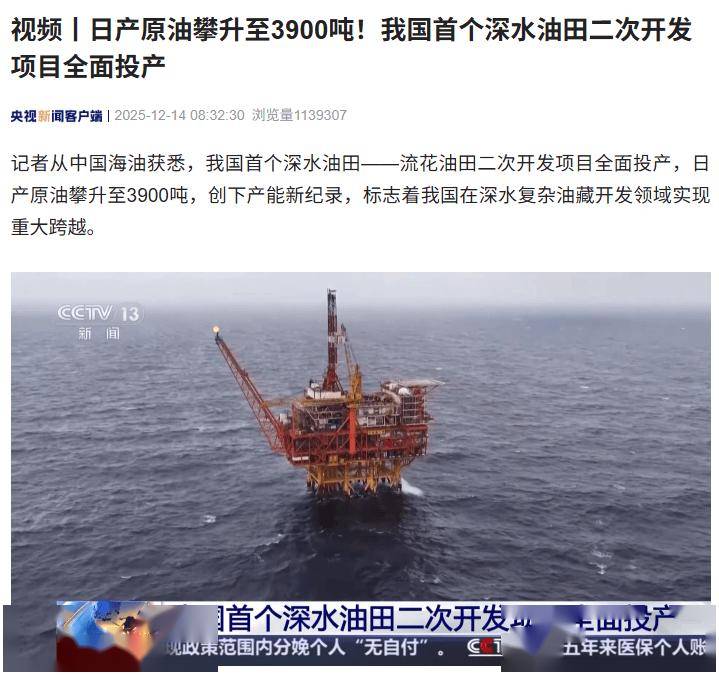
Core Viewpoint - The successful full production of the Liuhua oil field's secondary development project marks a significant advancement in China's deepwater oilfield development capabilities, with daily crude oil production reaching 3,900 tons, setting a new record [1][5][30]. Group 1: Project Overview - The Liuhua oil field secondary development project consists of the Liuhua 11-1 and 4-1 oil fields, with an average water depth of 305 meters [3][20]. - The project includes 32 production wells, with a total drilling depth exceeding 75,000 meters, and aims to achieve an annual production of over 1 million tons by 2026 [1][19]. Group 2: Technological Innovations - The project utilizes advanced technologies, including a deepwater jacket platform and a cylindrical floating production storage and offloading unit, to enhance oil recovery and efficiency [9][22]. - The "Haiji No. 2" platform, a key asset in the project, incorporates 15 globally leading technologies and features a digital twin system for optimal maintenance strategies [13][15]. Group 3: Production Achievements - Since the first production wells were put into operation in September 2024, the project has produced over 900,000 tons of crude oil [3][5]. - The daily production rate has reached a new high, surpassing previous records set in the last 22 years of oil field operations [5][24]. Group 4: Industry Impact - The successful development of the Liuhua oil field represents a breakthrough in tackling the challenges of deepwater reef limestone oil reservoir extraction, which is recognized as a global technical difficulty [7][20]. - China's deepwater oil and gas exploration and development capabilities have made significant strides, with the country becoming one of the few able to independently conduct deepwater oil and gas exploration [26][30].
我国首个深水油田二次开发项目全面投产 开采寿命延长30年
Xin Lang Cai Jing· 2025-12-14 04:46
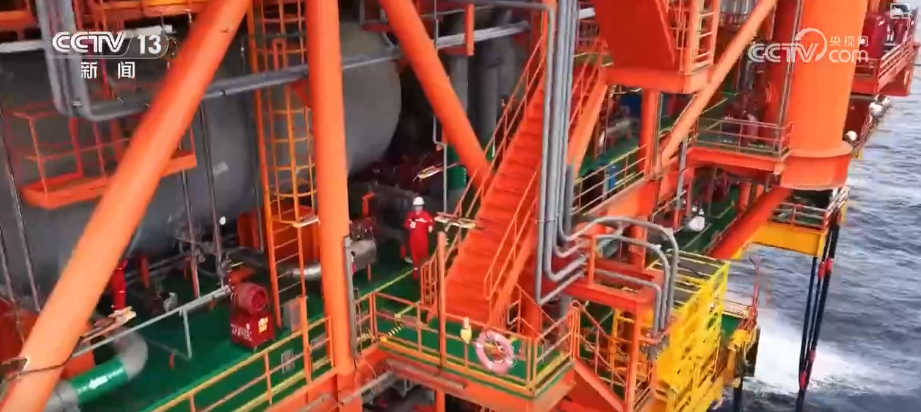
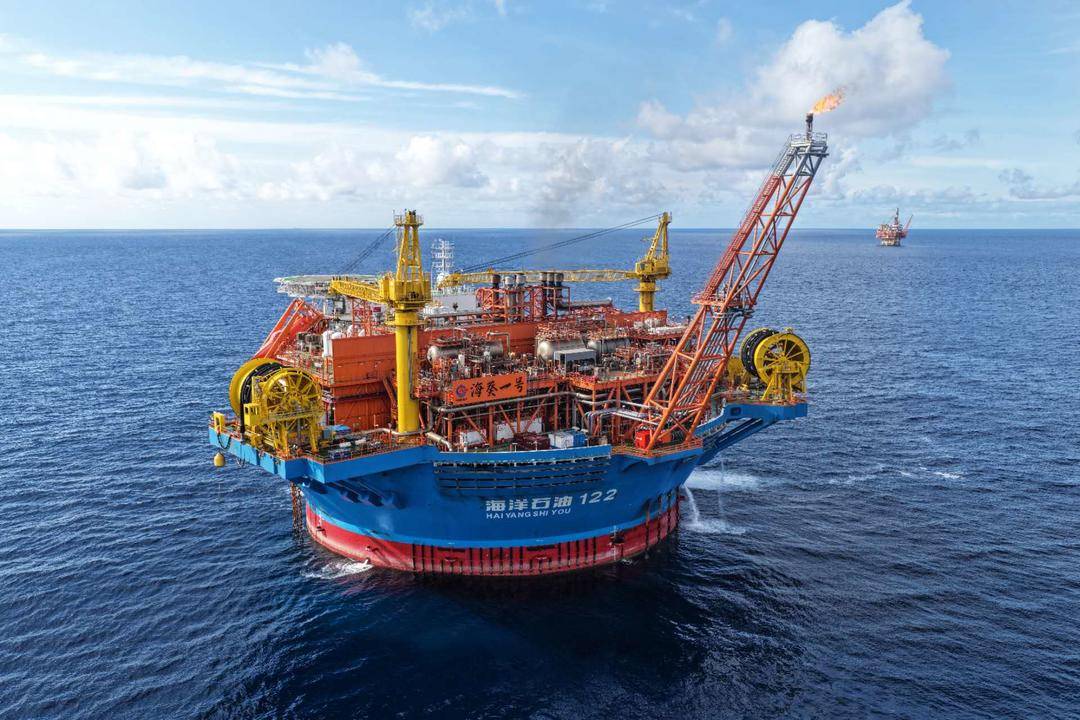
Core Insights - The successful deployment of the last production well on the "Hai Ji No. 2," Asia's first deepwater jacket platform, marks the full production launch of the Liuhua oilfield secondary development project, representing a significant advancement in China's deepwater complex reservoir development [1][2]. Group 1: Project Overview - The Liuhua oilfield secondary development project is located in the Pearl River Mouth Basin and consists of the Liuhua 11-1 and 4-1 oilfields, with an average water depth of approximately 305 meters [1][2]. - The project is designed to produce from 32 production wells, and since the first batch of wells was put into operation in September of the previous year, daily crude oil production has reached 3,900 tons, setting a new production capacity record [1][2]. Group 2: Technical Achievements - The Liuhua oilfield is China's first deepwater oilfield and has the largest proven geological reserves of reef limestone oil in the country, having produced over 20 million tons of crude oil since its inception in 1996, with an estimated 140 million tons of crude oil reserves still hidden beneath the seabed [1][2]. - The development of deepwater reef limestone reservoirs is recognized globally as a highly challenging task. Key to the secondary development of the Liuhua oilfield is the control of water and stabilization of oil, which has led to a significant reduction in the comprehensive water cut of the development wells compared to design expectations, thereby greatly enhancing the recoverable reserves and recovery rates, extending the field's lifespan by 30 years [3]. Group 3: Infrastructure - Major production facilities for the Liuhua oilfield secondary development project include the "Hai Ji No. 2" platform and Asia's first cylindrical FPSO (Floating Production Storage and Offloading) unit, "Hai Kui No. 1." Crude oil extracted is initially processed on the "Hai Ji No. 2" platform before being transported 2.5 kilometers to the "Hai Kui No. 1" for further processing and storage [2][3].
我国首个深水油田二次开发项目全面投产|科技观察
Sou Hu Cai Jing· 2025-12-14 02:23
Core Insights - The successful launch of the "Hai Ji No. 2" deepwater jacket platform marks the full production of China's first deepwater oil field, the Liuhua oil field, which is significant for national energy security [1][3] Group 1: Project Overview - The Liuhua oil field is located in the Pearl River Mouth Basin and consists of the Liuhua 11-1 and 4-1 oil fields, with an average water depth of approximately 305 meters [1] - The project is designed to produce from 32 wells, with daily crude oil production reaching 3,900 tons, setting a new production capacity record since the first wells were put into operation in September of the previous year [1][3] Group 2: Technical Challenges and Innovations - Deepwater reef limestone reservoirs are recognized as one of the most challenging types of oil reservoirs to develop due to their complex internal structures [3] - Key strategies for the second development phase include precise control of oil column height, systematic improvement of water control effectiveness, and innovative measures such as "screen-blind combination" and "intelligent compartmentalization" [3] Group 3: Infrastructure and Production Capacity - The main production facilities include the "Hai Ji No. 2" platform and the "Hai Kui No. 1" FPSO, which processes and stores crude oil [4] - The "Hai Kui No. 1" has a total height of nearly 90 meters and a maximum oil storage capacity of 60,000 tons, capable of processing 5,600 tons of crude oil daily [4] Group 4: Economic and Operational Impact - The "Hai Ji No. 2" platform integrates over 300 systems for intelligent oil and gas extraction, significantly speeding up operations and increasing crude oil production by over 190,000 tons [5] - The operational success of the Liuhua oil field demonstrates the reliability of the water control technology and the economic effectiveness of the deepwater development model, contributing to China's goal of large-scale and efficient development of similar deepwater oil and gas resources [5]
蓝色引擎动能澎湃,珠海海洋经济“十四五”突破千亿大关
Nan Fang Nong Cun Bao· 2025-12-12 09:33
Core Viewpoint - Zhuhai's marine economy has achieved significant growth during the "14th Five-Year Plan" period, surpassing 100 billion yuan for the first time, driven by innovation and ecological protection efforts [5][8]. Group 1: Economic Growth and Achievements - Zhuhai's marine economy has crossed the 100 billion yuan threshold, marking a milestone in its development [8]. - The city has established one of the four national marine comprehensive experimental zones, enhancing marine scientific research and technology transformation [9][10]. - Several globally influential marine technology equipment have been launched in Zhuhai, including the world's first megawatt-level wave energy power generation device and the first megawatt-level seawater electrolysis hydrogen production device [11][12]. Group 2: Ecological Protection and Development - Zhuhai is the only city in the Guangdong-Hong Kong-Macao Greater Bay Area with three typical marine ecosystems: mangroves, seagrass beds, and coral reefs [21]. - The city has been recognized for its ecological restoration projects, with successful initiatives in the ecological restoration of islands [22][23]. - Zhuhai has pioneered the "China-Portuguese" marine carbon trading, promoting ecological value transformation [25]. Group 3: Modern Fisheries and Technological Innovation - The city has developed modern marine fisheries, establishing national-level marine ranch demonstration zones and creating two advantageous industrial clusters for sea bass and golden pomfret [34][39]. - Zhuhai has launched the world's first self-propelled natural water exchange aquaculture vessel, enhancing its aquaculture capabilities [45]. - The total output value of the fishing industry in Zhuhai has exceeded 10 billion yuan [47]. Group 4: Institutional Innovation and Reforms - Zhuhai has taken the lead in establishing a municipal marine development bureau and a marine development group to coordinate resource development and protection [48]. - The city has introduced innovative measures such as "one map for sea use guarantee" and "one certificate for equipment registration" to streamline project implementation [49][50]. - Zhuhai has enacted the first local island development regulations and the first marine fishing safety legislation in the country, exploring new paths for marine economic innovation [52][56]. Group 5: Future Outlook - Looking ahead to the "15th Five-Year Plan," Zhuhai aims to leverage new marine infrastructure to contribute to the construction of a strong marine province [57].

【深圳特区报】为强国建设注入澎湃动能——从高交会看中国式现代化的创新注脚
Sou Hu Cai Jing· 2025-11-25 08:33
Group 1 - The 27th China International High-Tech Achievements Fair (CIHTAF) showcased over 5,000 cutting-edge achievements and facilitated more than 170 billion yuan in intended transactions and financing, attracting over 450,000 attendees [2][11] - CIHTAF serves as a significant platform for the transformation of high-tech achievements and reflects China's commitment to integrating into the global innovation network through openness and innovation-driven development [2][6] - The fair featured 22 specialized exhibition areas with over 5,000 renowned enterprises and international organizations, highlighting advancements in deep-sea energy development, nuclear power technology, and autonomous systems [4][5] Group 2 - The event marked a shift in China's information industry, showcasing advancements such as Huawei's Ascend 384 super node and non-invasive brain-machine interfaces, indicating a move towards self-reliance in core technologies [5][6] - CIHTAF has evolved significantly since its inception in 1999, expanding from 2 million square meters and 2,856 exhibitors to 400,000 square meters with over 90% of exhibits being high-tech products, including AI, robotics, and commercial aerospace [6][11] - The fair has facilitated 1,023 supply-demand matches and investment projects, with intended transaction and financing amounts exceeding 170 billion yuan, demonstrating its role in driving technological innovation and economic growth [11][12] Group 3 - CIHTAF has become a global innovation magnet, attracting over 120 countries and regions, and fostering international collaboration through specialized pavilions and procurement activities [7][9] - The event has seen participation from major international firms, indicating recognition of China's market potential and innovation environment, with companies like Remote and Hansa Flex seeking deeper cooperation [8][9] - The fair emphasizes the importance of integrating technology research, industry application, and market navigation, creating a comprehensive ecosystem for innovation [12][13]

“AII in AI”的风 吹到了大海
2 1 Shi Ji Jing Ji Bao Dao· 2025-10-29 13:04
Core Viewpoint - The integration of AI into the marine economy is rapidly advancing, with significant applications showcased at the 2025 China Marine Economy Expo in Shenzhen, highlighting the transformation of traditional industries through AI technologies [1][2]. Group 1: AI Applications in Marine Industry - Leading marine enterprises such as China Merchants, China Mobile, and China Unicom are demonstrating the latest AI applications, including autonomous vehicles and advanced shipping models, which enhance operational efficiency and safety [1][3]. - The "Shipping GPT" and "Fishing Book" models are examples of how AI is reshaping high-risk industries, while the "Sea Aster No. 1" has proven its effectiveness in disaster scenarios, avoiding production losses of 199,000 tons and reducing shutdown losses by over 1.5 billion yuan [1][16]. Group 2: Policy and Strategic Initiatives - Various regions are promoting "AI + Marine" initiatives, with Zhejiang Province aiming to establish over ten landmark applications by 2027, and Shenzhen releasing multiple industry application scenarios covering marine law enforcement and deep-sea resource development [1][8]. - The establishment of the "Marine AI Big Model Industry Alliance" in Qingdao, with Huawei as a leading member, signifies a collaborative effort to advance AI in marine applications [1][8]. Group 3: Smart Port Developments - The Shenzhen Mawan Port has transformed into the first 5G smart port in the Guangdong-Hong Kong-Macao Greater Bay Area, utilizing AI for automated operations, which increases efficiency by 20% compared to manual operations [3][4]. - The upcoming Yantian Port East Operation Area, set to open in 2026, will implement AI technologies for remote control and intelligent digital management, aiming for an annual throughput of 3 million TEUs [6]. Group 4: Telecommunications and AI Integration - Major telecommunications companies are prioritizing AI, with China Mobile reporting direct AI-related revenues in the tens of billions, and China Unicom forming a "Smart Ocean Corps" to leverage AI and 5G capabilities [8][9]. - AI applications in marine environments include the "Fishing Book" for smart aquaculture and the "Yue Shui An" platform for maritime safety, showcasing the potential for AI to address traditional challenges in the marine sector [9][11]. Group 5: Deep-Sea Engineering Innovations - China's deep-sea engineering projects, such as the "Sea Aster No. 1" and "Ocean Oil 119," utilize advanced technologies like digital twins and AI algorithms to enhance operational efficiency and safety in extreme conditions [12][15]. - These projects have demonstrated resilience against severe weather, with the ability to avoid significant production losses during typhoons, showcasing the effectiveness of integrated digital technologies in deep-sea operations [16][17].
300多家涉海龙头企业集结 2025海博会深圳启幕
2 1 Shi Ji Jing Ji Bao Dao· 2025-10-29 09:57
Core Insights - The 2025 China Marine Economy Expo (referred to as "Marine Expo") opened in Shenzhen, themed "Digital Intelligence Deep Blue, Co-creating the Future," marking its first market-oriented exhibition with an area of 40,000 square meters and over 300 participating enterprises [1] Group 1: Exhibition Highlights - The Marine Expo focuses on four core areas: marine energy, deep-sea technology, marine intelligent equipment, and marine electronic information, while also extending to high-potential sectors like marine modern services, marine biomedicine, and coastal tourism [2] - Major companies, including Fortune 500 firms, large state-owned enterprises, and specialized "little giant" companies, participated in the exhibition, showcasing advanced marine technologies and equipment [2] Group 2: Technological Innovations - The "Marine Oil 119" platform integrates 14 oil and gas production modules and features the most complex offshore oil and gas processing technology in China, equivalent to a 300,000 square meter onshore facility [3] - The "Sea Aster 1" platform employs 15 key technologies for intelligent control and introduces a new desulfurization device and dual-fuel generator, enhancing energy efficiency and environmental sustainability [3] - The "Sea Base 2" platform utilizes digital twin technology for real-time monitoring and AI algorithms to optimize structural stress, extending its design life to 50 years and improving operational efficiency [3] Group 3: International Collaboration - The Marine Expo emphasizes international collaboration, featuring seven core forums discussing topics such as blue economic growth and global marine governance, including the APEC International Marine Seminar [4] - Experts highlight that new technologies will drive high-quality development in the marine economy, transitioning from resource exploitation to sustainable development led by technological innovation [4] Group 4: Future Directions in Marine Development - The core directions of the "Deep Blue Revolution" are summarized as "inward, deep, intelligent, and green," focusing on understanding marine life systems, advancing deep-sea exploration technologies, creating a "transparent ocean" through digital integration, and promoting harmonious coexistence with nature [5][6]