
清单管理

Search documents
美国承认犯下大错!特朗普之前真的没料到,中方敢跟美国这么打
Sou Hu Cai Jing· 2025-12-31 17:16
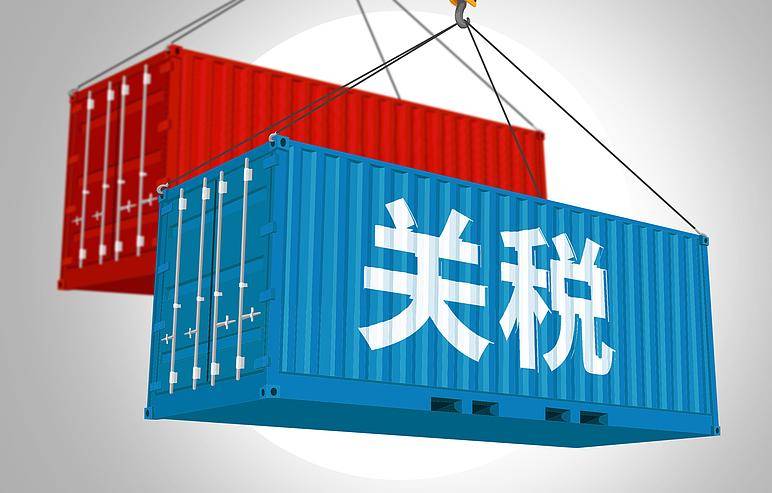
Core Viewpoint - The article discusses the unexpected escalation of tariffs between the U.S. and China, highlighting the shift in strategy from the U.S. and the underlying factors that empowered China to respond aggressively [1][14]. Group 1: U.S.-China Tariff Dynamics - The U.S. initially imposed a 34% tariff on China, which was met with a reciprocal increase by China, raising tariffs to 84% and eventually 125% on key sectors [1][3]. - The U.S. government's overall tax burden on China reached 145%, significantly higher than initially anticipated, pushing trade to the brink of a "quasi-embargo" [1][3]. - The U.S. strategy of using threats and a buffer period to force negotiations backfired as China responded swiftly, disrupting U.S. plans [3][5]. Group 2: China's Strategic Position - China's response was underpinned by three main pillars: a diversified trade network, strong control over critical supply chains, and a flexible policy toolkit [7][9]. - China's trade with Africa and parts of Latin America has been growing at double-digit rates, reducing reliance on any single market [7]. - In key sectors like rare earths and photovoltaic materials, China maintains significant control, allowing it to leverage export controls and other measures beyond tariffs [7][9]. Group 3: Economic Implications and Future Outlook - The high tariffs have raised concerns about inflation, economic growth, and unemployment in the U.S., leading to a shift in political narratives regarding the burden of tariffs [11][16]. - By mid-April, the U.S. Treasury began signaling a need to ease tensions, resulting in an agreement to lower some tariffs within a 90-day window [11][13]. - The future is likely to see a "high volatility, structural adjustment" phase in U.S.-China relations, with tariffs remaining elevated but potentially offset by exemptions and management strategies [13][16].

宿迁市优化涉企行政检查条例获批准企业有权对违规检查说“不”
Xin Hua Ri Bao· 2025-12-09 23:11
Core Viewpoint - The newly approved "Regulations on Optimizing Administrative Inspections Related to Enterprises" in Suqian aims to create a law-based business environment by standardizing administrative behavior and reducing the burden on enterprises, effective from February 1, 2026 [1][2] Group 1: Key Measures - The regulations implement a checklist management system for administrative inspections, prohibiting inspections not listed on the checklist to eliminate arbitrary checks [1] - A "comprehensive inspection once" system is introduced, allowing multiple inspections by the same administrative body to be combined and enabling joint inspections by different bodies, significantly reducing the inspection burden on enterprises [1] - The regulations encourage non-on-site inspection methods and establish a public notice and filing system for administrative inspections related to enterprises, ensuring transparency and traceability of inspection actions [1] Group 2: Enterprise Rights Protection - The regulations strengthen enterprise rights by granting them the "right to refuse" inspections that lack legal documentation, exceed the checklist scope, violate procedures, or are cross-regional [2] - Nine prohibited behaviors for administrative inspection bodies and their staff are detailed, including profit-driven motives, interference with normal operations, and leakage of trade secrets, effectively limiting the power of authorities [2] - The regulations restrict blanket shutdown measures, allowing such actions only in cases involving public health and safety, and introduce a credit repair mechanism to guide enterprises in correcting credit issues and adjusting inspection frequency based on compliance [2]
优化审批流程引入智能模式 松江好项目“落地即生长”
Jie Fang Ri Bao· 2025-09-05 01:52
Core Viewpoint - The article highlights the significant improvements in project approval processes in Songjiang District, driven by a series of reforms aimed at optimizing efficiency and reducing bureaucratic delays [1][2]. Group 1: Project Approval Enhancements - Songjiang District has implemented a "smart + manual" dual-track review model, which has notably shortened project approval cycles and facilitated faster project implementation [1][4]. - The construction of the Lian Dong U Valley Songjiang Technology Innovation Park has benefited from these reforms, with the project completing acceptance in a shorter timeframe than expected [2][4]. - The district's construction management center has established a close communication mechanism with project developers, ensuring timely organization of comprehensive acceptance once projects meet the necessary conditions [2][3]. Group 2: Specific Initiatives and Technologies - The introduction of checklist management ensures clarity in task assignments and responsibilities, while proactive services allow for early intervention and guidance for projects [3]. - Dynamic tracking enables real-time monitoring of project progress, allowing for timely adjustments in service strategies [3]. - The use of Building Information Modeling (BIM) technology in projects, such as the SJS50002 land relocation housing project, has streamlined the review process and improved cost efficiency by identifying potential issues early [4][5].