渐进式

Search documents
“文火慢炖” 融汇老味道与新活力
Ren Min Ri Bao Hai Wai Ban· 2025-11-17 01:42
Core Viewpoint - Yangzhou, a city with over 2,500 years of history, is undergoing a cultural and urban renaissance, blending ancient heritage with modern development, while actively involving local residents in the preservation and revitalization efforts [3][4][19]. Group 1: Historical Significance - Yangzhou has a rich history dating back to the Spring and Autumn period, significantly influenced by the Grand Canal, which has shaped its cultural and economic landscape [3]. - The city is recognized as a "living museum," with strict regulations on building heights to preserve its historical skyline [5][6]. Group 2: Urban Revitalization Efforts - Recent initiatives focus on the protection and revitalization of the ancient city, emphasizing the integration of historical and modern elements [4][7]. - The renovation of historical sites, such as the reconstruction of the Wenhui Pavilion, aims to respect historical architecture while meeting contemporary needs [6][15]. Group 3: Community Involvement - Local residents are actively participating in the preservation process, providing input and engaging in restoration projects, which fosters a sense of community and shared history [11][14]. - The transformation of areas like Renfengli and Dongguan Street showcases a collaborative approach, balancing modernization with the retention of local culture and lifestyle [10][12][13]. Group 4: Cultural and Economic Impact - The revitalization of Yangzhou's ancient streets has led to a resurgence in tourism and local businesses, creating vibrant cultural hubs that attract visitors [9][17]. - The integration of traditional crafts and modern entrepreneurial ventures in areas like Pishi Street highlights the city's dynamic cultural landscape [18].


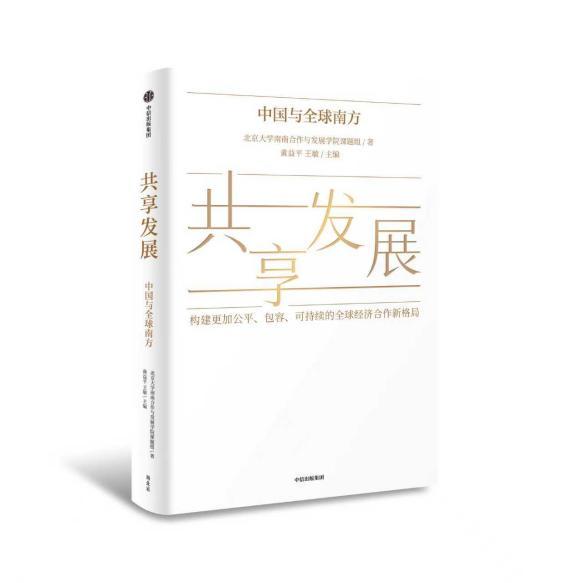
黄益平:“华盛顿共识”破产后,全球南方的发展路在何方?中国经验给出答案
Feng Huang Wang Cai Jing· 2025-10-15 07:39
Group 1: Tanzania's Economic Vision - Tanzania's President Samia Suluhu Hassan announced the "Vision 2050," aiming for a GDP exceeding $1 trillion and a per capita GDP of $7,000 by 2050, which requires an annual nominal GDP growth rate of 6.8% [1] - The vision includes strategic pillars and industrial policies focusing on logistics, energy, technology, digital transformation, and nine key sectors such as agriculture, tourism, and mining to create jobs and boost exports [1] - The announcement may be politically motivated ahead of the upcoming elections in October 2025, as it lacks specific strategies and pathways for implementation [1] Group 2: Development Challenges in Southern Countries - Many Southern countries, like Tanzania, face significant challenges in achieving rapid economic development, often falling into the "middle-income trap" as defined by World Bank economists [3][4] - The "Washington Consensus" proposed by international organizations has had limited success in guiding economic reforms in developing countries, contrasting with the successful policies of East Asian economies [5][6] - The lack of innovation capacity and persistent issues such as inequality, poor education, and inadequate infrastructure hinder sustained economic growth in many Southern nations [4][6] Group 3: Lessons from China's Economic Policies - China's economic growth, with an average GDP growth rate of 8.9% from 1978 to 2024, serves as a potential model for Southern countries aiming for rapid development [8] - Key differences between China's policies and the "Washington Consensus" include a significant state-owned sector and active government participation in economic activities, including industrial policies [8][9] - The pragmatic approach of Chinese reforms emphasizes adapting policies to local conditions rather than strictly following theoretical models, which could provide valuable insights for other Southern nations [21][24] Group 4: Global South Consensus - The "Washington Consensus" is becoming outdated, as both Southern countries and Northern nations like the U.S. have moved away from its principles, highlighting the need for a new framework for economic development [20][26] - A proposed "Global South Consensus" aims to establish basic principles for economic policy that are tailored to the unique circumstances of Southern countries, focusing on market-driven resource allocation and pragmatic government intervention [23][24] - Successful experiences from East Asian economies, particularly China, can inform the development of this consensus, emphasizing the importance of context-specific policies and the balance between market and government roles [21][26]