
古城保护与复兴

Search documents
“文火慢炖” 融汇老味道与新活力
Ren Min Ri Bao Hai Wai Ban· 2025-11-17 01:42
Core Viewpoint - Yangzhou, a city with over 2,500 years of history, is undergoing a cultural and urban renaissance, blending ancient heritage with modern development, while actively involving local residents in the preservation and revitalization efforts [3][4][19]. Group 1: Historical Significance - Yangzhou has a rich history dating back to the Spring and Autumn period, significantly influenced by the Grand Canal, which has shaped its cultural and economic landscape [3]. - The city is recognized as a "living museum," with strict regulations on building heights to preserve its historical skyline [5][6]. Group 2: Urban Revitalization Efforts - Recent initiatives focus on the protection and revitalization of the ancient city, emphasizing the integration of historical and modern elements [4][7]. - The renovation of historical sites, such as the reconstruction of the Wenhui Pavilion, aims to respect historical architecture while meeting contemporary needs [6][15]. Group 3: Community Involvement - Local residents are actively participating in the preservation process, providing input and engaging in restoration projects, which fosters a sense of community and shared history [11][14]. - The transformation of areas like Renfengli and Dongguan Street showcases a collaborative approach, balancing modernization with the retention of local culture and lifestyle [10][12][13]. Group 4: Cultural and Economic Impact - The revitalization of Yangzhou's ancient streets has led to a resurgence in tourism and local businesses, creating vibrant cultural hubs that attract visitors [9][17]. - The integration of traditional crafts and modern entrepreneurial ventures in areas like Pishi Street highlights the city's dynamic cultural landscape [18].

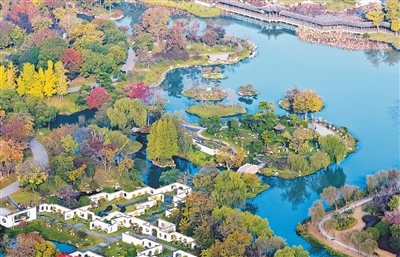
江苏扬州持续推动古城保护与复兴—— “文火慢炖” 融汇老味道与新活力(文化中国行·人文观察)
Ren Min Ri Bao· 2025-11-09 22:53
Core Viewpoint - Yangzhou, a city with over 2,500 years of history, is undergoing a cultural and urban renaissance, blending ancient heritage with modern living, while actively engaging its residents in the preservation and revitalization of its historical sites [1][16]. Group 1: Historical Significance - Yangzhou is described as a "living museum," with its ancient cityscape preserved through regulations that limit building heights and promote cultural heritage [1][3]. - The city has a rich cultural history, exemplified by landmarks like the Wenhui Pavilion, which was rebuilt to honor its historical significance after being destroyed in 1854 [2][3]. Group 2: Community Involvement - Residents have played a crucial role in the preservation efforts, with initiatives encouraging them to participate in the restoration and maintenance of their neighborhoods, fostering a sense of ownership and community [10][11]. - The transformation of areas like Renfengli and Dongguan Street showcases the community's input in maintaining the historical character while integrating modern amenities [4][10]. Group 3: Urban Revitalization - The city has adopted a "micro-renewal" approach, focusing on small-scale, gradual improvements rather than large-scale demolitions, which has helped retain the cultural essence of the neighborhoods [10][12]. - Projects like "Guangling Youyan" have successfully merged traditional architectural styles with contemporary needs, creating vibrant cultural hubs that attract both locals and tourists [12][13]. Group 4: Cultural Integration - The revitalization efforts have led to a blend of old and new, where traditional crafts and modern businesses coexist, enhancing the cultural landscape of Yangzhou [15][16]. - The transformation of streets like Pishi Street into lively commercial areas reflects the successful integration of cultural heritage with modern economic activities, making them popular destinations [14][15].
“文火慢炖” 融汇老味道与新活力(文化中国行·人文观察)
Ren Min Ri Bao· 2025-11-09 22:20
Core Viewpoint - Yangzhou, a city with over 2,500 years of history, is undergoing a cultural and historical revitalization, blending ancient heritage with modern urban life, making it a living museum of its own [7][9][24]. Group 1: Historical Significance - Yangzhou has a rich history dating back to the Spring and Autumn period, significantly influenced by the Grand Canal, which has shaped its cultural and economic development [7]. - The city is recognized for its historical architecture and cultural landmarks, such as the Wenhuige Pavilion, which was rebuilt to preserve its historical essence [10][19]. Group 2: Urban Revitalization Efforts - Recent initiatives in Yangzhou focus on the protection and revitalization of historical areas, with a commitment to maintaining the original character of neighborhoods while introducing modern amenities [8][11]. - The transformation of the Renfengli historical cultural district exemplifies this approach, where old residences are repurposed for cultural and creative industries while preserving the original community [11][22]. Group 3: Community Involvement - Local residents have actively participated in the preservation and enhancement of their neighborhoods, contributing to a sense of ownership and community pride [15][18]. - The government has encouraged community input in urban planning, leading to a more inclusive approach to heritage conservation [17]. Group 4: Cultural Integration - The integration of traditional crafts and modern cultural experiences is evident in areas like Pishi Street, where local artisans and businesses thrive alongside historical elements [21][22]. - The revitalization efforts have resulted in vibrant cultural spaces that attract both locals and tourists, enhancing the overall urban experience [20][23].
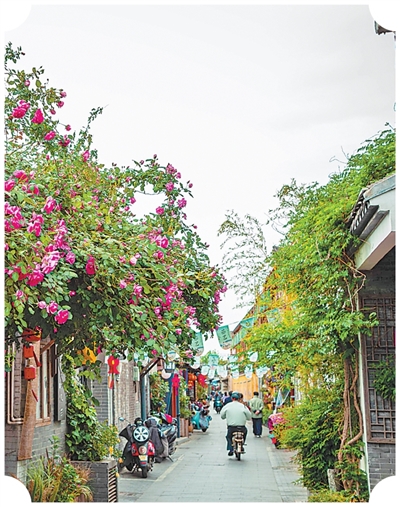
武昌古城:从“活起来”到“火起来”
Chang Jiang Ri Bao· 2025-07-11 00:29
Core Viewpoint - The revitalization of Wuchang Ancient City, a historical site with over 1800 years of history, is being driven by cultural tourism and urban development, enhancing its appeal to visitors and integrating modern commercial activities with historical preservation [1][2][3]. Summary by Sections Historical Preservation and Renovation - 83 historical buildings have been restored in Wuchang Ancient City, with a focus on maintaining their original appearance and historical significance [2][3]. - The Doujiying area, which underwent protective renovations over two years, now offers views of the iconic Yellow Crane Tower, enhancing the historical skyline of the city [3][4]. - The renovation process involved significant challenges, including the restoration of the largest Nordic-style building complex in Wuhan, which required extensive research and modern technology for accurate reconstruction [4][5]. Cultural and Commercial Integration - The revitalization efforts have introduced a blend of cultural and commercial activities, with 60% of the businesses in the Doujiying area being non-standardized commercial ventures, including themed cafes and cultural shops [7][8]. - The introduction of new businesses aims to create a "street museum" experience, allowing visitors to engage with the historical narratives of the area while enjoying modern amenities [6][8]. Tourism and Economic Impact - Wuchang District is projected to receive over 50 million tourists in 2024, with tourism revenue expected to exceed 52 billion yuan, indicating a strong economic impact from the cultural tourism initiatives [13]. - The district has been recognized for its cultural industry competitiveness and tourism capabilities, ranking among the top in China for both categories [13]. Future Development Plans - Future plans for Wuchang Ancient City include the establishment of a spatial layout characterized by a central axis and multiple horizontal axes to showcase its historical and cultural heritage while promoting modern recreational activities [6][12]. - The ongoing development aims to foster a new quality of productivity driven by cultural tourism, contributing to the economic transformation towards a more digital and sustainable model [13].