
渔业高质量发展

Search documents
渔业筑牢安全屏障守护高质量发展
Huan Qiu Wang· 2025-12-29 07:50
Core Viewpoint - The article highlights the significant progress and transformation in China's fishery industry, emphasizing the shift towards high-quality development, ecological restoration, and enhanced safety measures in fishing practices. Group 1: Industry Growth and Production - In the first eleven months of 2025, China's total aquatic product output reached 66.49 million tons, marking a year-on-year increase of 4.05%, thereby strengthening the supply foundation for urban and rural residents' food security [5][8] - The total output of aquatic products is projected to reach 73.58 million tons in 2024, with the total fishery economic output exceeding 3.4 trillion yuan, and per capita income for fishermen increasing to 27,131 yuan [6][8] - The structure of the fishery industry is evolving, with the tertiary sector accounting for nearly 30% of the total, indicating a positive trend in value addition and industry chain extension [8] Group 2: Ecological Restoration - The ten-year fishing ban on the Yangtze River has led to the monitoring of 344 native fish species, with an increase of 36 species, and the resource volume of the four major fish species' fry is now 6.2 times that of pre-ban levels [5][11] - The ecological integrity index of the Yangtze River has been steadily improving, with significant increases in biodiversity and the successful natural reproduction of endangered species like the Yangtze sturgeon [12] Group 3: Technological Advancements and Safety Measures - The introduction of advanced fishing equipment and smart monitoring systems has significantly improved safety in fishing operations, with a notable reduction in fishing accidents and fatalities [9][10] - The implementation of systematic safety governance and regulatory measures has led to a 68.3% decrease in fishing vessel accidents and a 29.6% reduction in fatalities compared to 2021 [10]

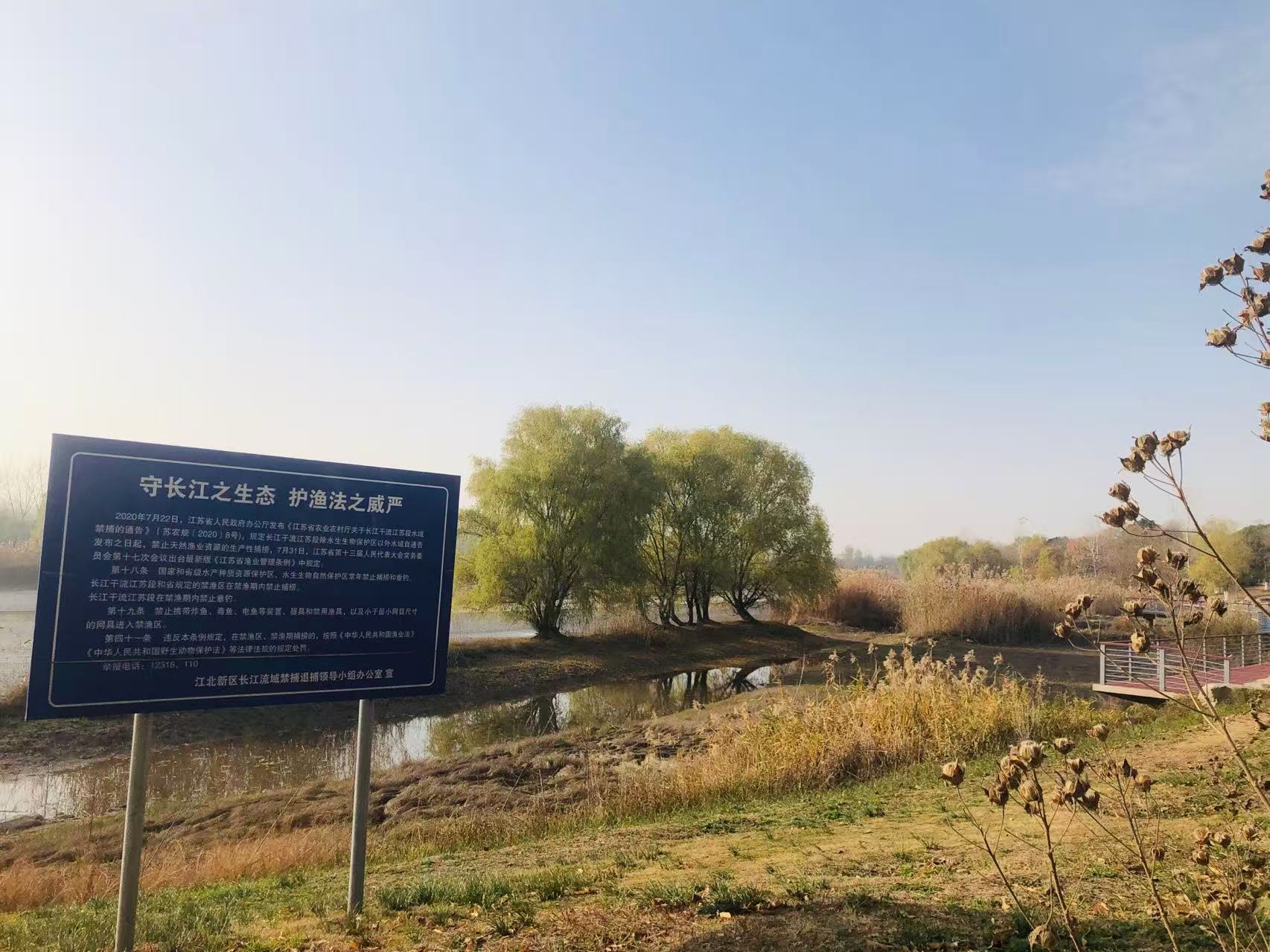
新修订的渔业法自2026年5月1日起施行
Xin Lang Cai Jing· 2025-12-28 11:11
Core Viewpoint - The newly revised Fisheries Law, effective from May 1, 2026, aims to provide strong institutional support for the high-quality development of China's fisheries sector through significant modifications and improvements [1][3]. Group 1: Legislative Changes - The revised Fisheries Law consists of seven chapters and 90 articles, featuring substantial modifications [1]. - The law establishes systems for supporting and rescuing fishermen transitioning to other occupations, managing fishing gear indicators, reviewing fishing-related construction projects, and addressing illegal activities [3]. Group 2: Economic and Operational Provisions - The law allows for the transfer of fishing vessel and gear indicators, facilitating the orderly circulation of production factors in the fisheries sector [3]. - Local authorities are empowered to develop management measures for recreational fisheries, further stimulating production vitality through aquaculture practices [3]. Group 3: Protection of Rights and Resources - The law enhances the protection of the legitimate rights and interests of fishery producers, mandating government support for employment, entrepreneurship, and social assistance for fishermen affected by the "reduction of vessels and transition" policy [4]. - It emphasizes the establishment of scientifically justified fishing bans, including designated no-fishing zones and periods, with clear specifications on areas, timelines, and prohibited activities [4]. - The law mandates the establishment of a national aquatic genetic resource bank and the creation of a protection catalog for aquatic genetic resources, along with strengthened approval processes for the import and export of these resources [4].
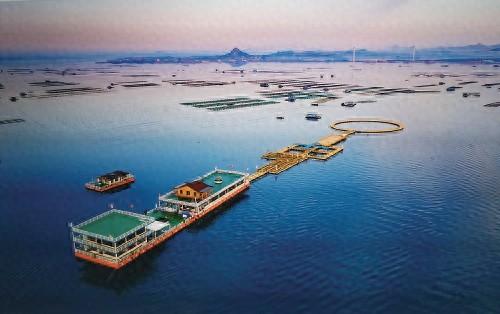
2025中国水产学会范蠡学术大会在大连召开
Liao Ning Ri Bao· 2025-11-07 01:07
Core Insights - The 2025 China Aquaculture Society Fan Li Academic Conference was held in Dalian, focusing on "Technological Innovation Promoting High-Quality Development of Fisheries" [1] - The conference aimed to enhance academic exchange and the application of scientific achievements in the aquaculture field, promoting high-quality development in the fisheries sector [1] Group 1 - The conference lasted for two days and was attended by over a thousand experts, scholars, researchers, and students from relevant institutions and fisheries enterprises [1] - The event was organized by the China Aquaculture Society and hosted by Dalian Ocean University, with keynote reports from academicians on the development of aquaculture disciplines and the current status of aquaculture technology [1] - Ten major scientific issues in fisheries for 2025 were announced, along with awards for 15 recipients of the 7th China Aquaculture Society Fan Li Science and Technology Award and 20 new technologies, products, and equipment for 2025 [1] Group 2 - The conference featured five sub-forums, including topics on "Green and Healthy Aquaculture" and "Aquatic Biotechnology and Genetic Breeding" [2] - Experts and scholars engaged in discussions across ten fields, including new technologies and models for green and healthy aquaculture, sustainable fishing, and the conservation of aquatic biological resources [2]
2024年全国渔业经济统计公报发布 渔业高质量发展成效显著
Zhong Guo Chan Ye Jing Ji Xin Xi Wang· 2025-07-18 23:10
Core Insights - The overall fishery economy in China remained stable in the past year, with steady growth in aquatic product output and increased transaction volumes in wholesale markets [1][2] - The fishing industry has shown significant results in high-quality development, with a focus on stabilizing production and ensuring supply [1] Group 1: Economic Performance - The total output value of the fishery economy reached 34,172.29 billion yuan, with fishery output value at 16,754.80 billion yuan, fishery industry and construction value at 7,390.84 billion yuan, and fishery circulation and service value at 10,026.65 billion yuan, with proportions of 49.0:21.6:29.3 [1] - The output value of leisure fisheries was 988.60 billion yuan, reflecting a year-on-year growth of 7.05% [1] Group 2: Production and Income - The total aquatic product output reached 73,575.9 thousand tons, a year-on-year increase of 3.39%, with aquaculture output at 60,600.3 thousand tons (up 4.31%) and capture output at 12,975.6 thousand tons (down 0.69%) [2] - The average net income of fishermen was 27,131.00 yuan, an increase of 1,353.79 yuan or 5.25% year-on-year [2] Group 3: Processing and Trade - By the end of last year, there were 9,581 aquatic processing enterprises and 9,737 cold storage facilities, with total processed aquatic products amounting to 2,253.76 thousand tons, a growth of 2.47% [3] - The total volume of aquatic product imports and exports was 11,172.0 thousand tons, an increase of 5.79%, while the total trade value was 43.836 billion USD, a decrease of 0.91% [3]
四川乐山坚持“四个聚焦” 护航渔业高质量发展
Zhong Guo Chan Ye Jing Ji Xin Xi Wang· 2025-07-13 22:41
Core Viewpoint - The article emphasizes the high-quality development of the aquatic industry in Leshan, Sichuan Province, through the implementation of a "big food concept" and a focus on green transformation, leading enterprises, smart development, and enhancing the industrial chain efficiency [1] Group 1: Industry Development - In the previous year, Leshan's total aquatic product output reached 146,500 tons, with a total fishery economic output value of 4.089 billion yuan [2] - Key species leading the province include Longfin Mullet at 15,600 tons, Catfish at 31,700 tons, and Carp at 23,000 tons [2] - The city is optimizing the structure of "famous, special, and superior" varieties and innovating aquaculture models to improve breeding efficiency [2] Group 2: Infrastructure and Technology - The city has established 30 facility aquaculture pilot projects, including land-based circular pools and factory-based recirculating water systems, covering a water body of 195,000 cubic meters [3] - Financial investments of 120 million yuan have been made to integrate resources and cultivate new business entities, resulting in the emergence of several high-value production entities [3] Group 3: Environmental Sustainability - Leshan has implemented a comprehensive aquaculture planning document to regulate production and establish designated breeding zones [4] - The city has invested 43.235 million yuan in projects aimed at improving water quality and ecological conditions, including the management of tailwater from 56,000 mu of ponds [4] Group 4: Economic Impact on Local Communities - The city has facilitated the transfer of 28,000 mu of land for large-scale pond aquaculture, benefiting over 12,000 households and generating an annual rental income of 25 million yuan [5] - Employment opportunities have been created for 5,678 individuals in fishing and breeding activities, with average annual earnings of 48,000 yuan and 24,000 yuan respectively [5]