
设施渔业

Search documents
半年内价格“过山车”,养鲈鱼还有赚头吗?丨川观探市
Xin Lang Cai Jing· 2026-01-24 08:15
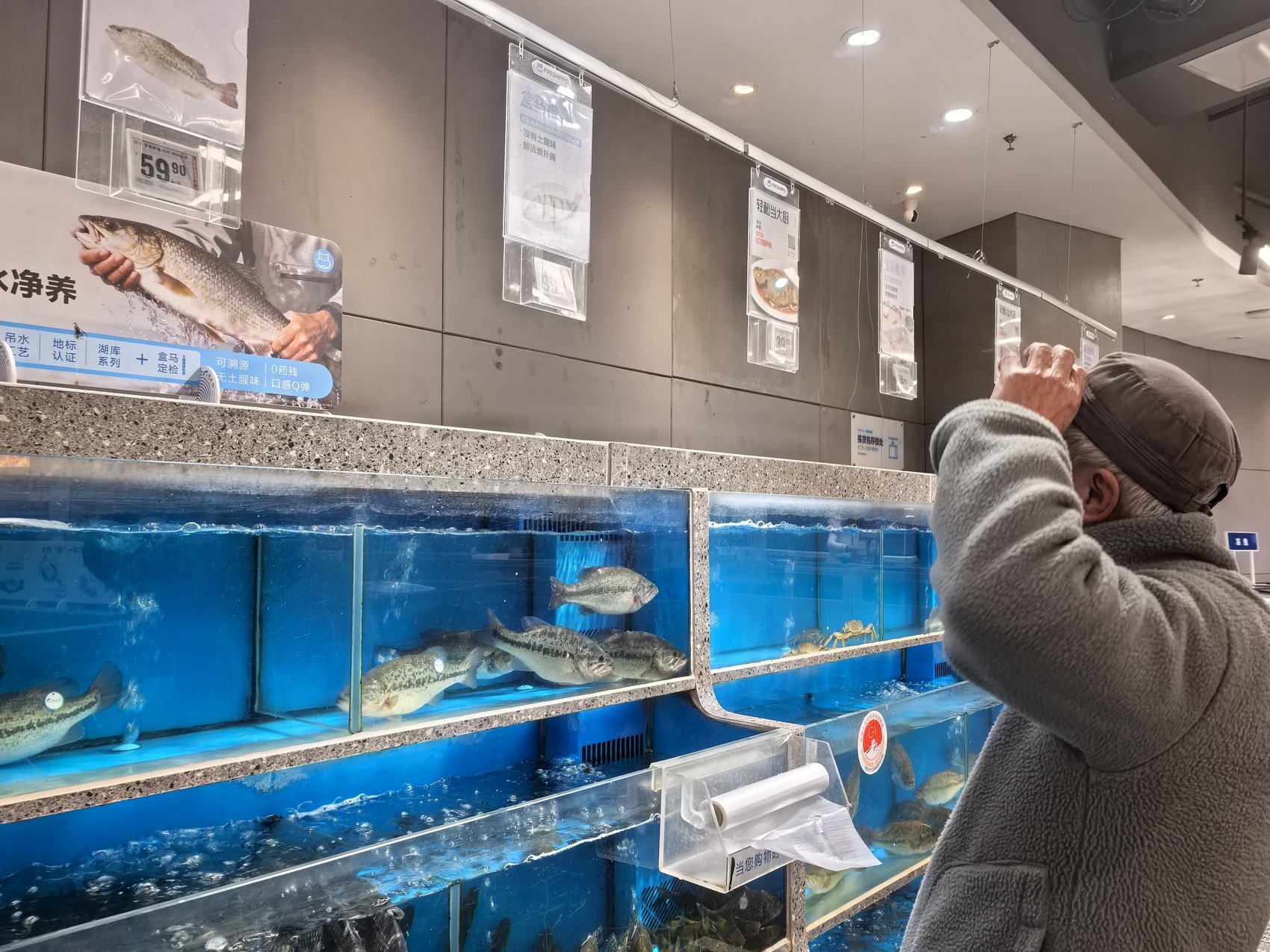
Core Viewpoint - The price of bass in Sichuan has experienced significant fluctuations, dropping over 50% within six months, raising concerns about the profitability of bass farming in the region [1][3]. Price Fluctuations - The price of bass in Sichuan started at approximately 17-18 yuan per pound at the beginning of the year, peaked at 25 yuan per pound in mid-year, and fell to around 10-11 yuan per pound by the end of the year [1][3]. - The current market price for bass is between 10 and 11 yuan per pound, which is a slight increase from the previous price of 10.5 yuan per pound [1]. Production and Supply - Sichuan's bass production has increased from 31,766 tons in 2022 to an estimated 40,213 tons in 2023, with projections of 48,190 tons in 2024 [6]. - The increase in production is attributed to farmers expanding their operations in response to favorable market conditions, leading to a surplus supply that has contributed to price declines [6][8]. Market Dynamics - The influx of bass from Guangdong province, which has lower production costs, has intensified competition in the Sichuan market [9]. - The average cost of bass from Guangdong is around 9 yuan per pound, making it more competitive compared to local prices [9]. Farming Strategies - Farmers are exploring off-season farming techniques to avoid price drops during the traditional peak season in the fall and winter [12]. - The adoption of facility aquaculture is on the rise, allowing for more efficient production and better risk management [13]. Innovations and Future Directions - New farming techniques, such as high-density and facility-based aquaculture, are being implemented to enhance productivity and profitability [13]. - Live-streaming events for bass harvesting and cooking are being considered as innovative marketing strategies to attract consumers [13].

设施渔业激活老产业:一条虹鳟鱼“游出”生态经济双赢路
Zhong Guo Xin Wen Wang· 2025-09-23 14:00
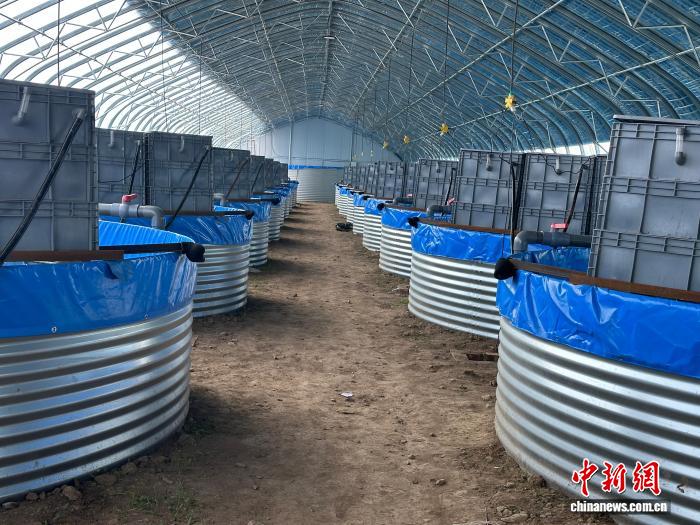
Core Insights - The article discusses the revitalization of the fishery industry in Yuzhong County, focusing on the successful cultivation of rainbow trout as a means to drive ecological and economic benefits [1][9]. Group 1: Industry Transformation - Yuzhong County has transitioned from traditional fish farming to modern facility-based aquaculture, utilizing technology and green practices to enhance efficiency and branding [1][9]. - The introduction of rainbow trout farming in the early 1980s marked the beginning of the fishery industry in Yuzhong, which faced a decline around 2006 due to various environmental factors [3][4]. Group 2: Technological Advancements - The current generation of fishery professionals, exemplified by Liu Zhijun, is implementing advanced techniques such as "layered relay breeding" to improve survival rates and fish quality [5][6]. - Modern facility aquaculture has significantly increased production efficiency, with reports indicating that a 70 cubic meter tank can yield up to 5,000 pounds of fish, compared to a few hundred pounds in traditional methods [7]. Group 3: Economic Impact - The local government aims to achieve a target of cultivating 10,000 acres of fish, producing over 5,000 tons, and generating a production value of 300 million yuan [9][10]. - The diversification of fish species and the introduction of new farming practices are expected to enhance local income, with reports of local farmers earning significantly more through integrated farming methods [9][10]. Group 4: Community Engagement - The revitalization of the fishery sector has attracted young talent back to the region, with local farmers expressing renewed interest in fish farming due to successful examples like Liu Zhijun [10]. - The development of recreational fishing and local sales has shifted the market dynamics, with 60% of fish now sold through direct local channels, stabilizing prices and increasing farmer income [9][10].
四川乐山坚持“四个聚焦” 护航渔业高质量发展
Zhong Guo Chan Ye Jing Ji Xin Xi Wang· 2025-07-13 22:41
Core Viewpoint - The article emphasizes the high-quality development of the aquatic industry in Leshan, Sichuan Province, through the implementation of a "big food concept" and a focus on green transformation, leading enterprises, smart development, and enhancing the industrial chain efficiency [1] Group 1: Industry Development - In the previous year, Leshan's total aquatic product output reached 146,500 tons, with a total fishery economic output value of 4.089 billion yuan [2] - Key species leading the province include Longfin Mullet at 15,600 tons, Catfish at 31,700 tons, and Carp at 23,000 tons [2] - The city is optimizing the structure of "famous, special, and superior" varieties and innovating aquaculture models to improve breeding efficiency [2] Group 2: Infrastructure and Technology - The city has established 30 facility aquaculture pilot projects, including land-based circular pools and factory-based recirculating water systems, covering a water body of 195,000 cubic meters [3] - Financial investments of 120 million yuan have been made to integrate resources and cultivate new business entities, resulting in the emergence of several high-value production entities [3] Group 3: Environmental Sustainability - Leshan has implemented a comprehensive aquaculture planning document to regulate production and establish designated breeding zones [4] - The city has invested 43.235 million yuan in projects aimed at improving water quality and ecological conditions, including the management of tailwater from 56,000 mu of ponds [4] Group 4: Economic Impact on Local Communities - The city has facilitated the transfer of 28,000 mu of land for large-scale pond aquaculture, benefiting over 12,000 households and generating an annual rental income of 25 million yuan [5] - Employment opportunities have been created for 5,678 individuals in fishing and breeding activities, with average annual earnings of 48,000 yuan and 24,000 yuan respectively [5]