湖湘文化

Search documents
湖南图书馆里办庙会
Xin Lang Cai Jing· 2026-02-11 19:49
Core Viewpoint - The Hunan Library is enhancing cultural engagement by integrating traditional customs with modern technology during the 2026 New Year cultural fair, aiming to attract more young readers and promote local culture [1][2]. Group 1: Cultural Activities - The library is hosting a vibrant cultural fair where readers can participate in activities such as calligraphy, making traditional lanterns, and crafting heritage items [1]. - The event features a "Five Blessings" stamp collection activity, allowing participants to unlock digital collectibles and animations related to famous Hunan figures [1]. Group 2: Community Engagement - The library is extending its cultural services beyond its premises by collaborating with local institutions to offer community activities like poetry challenges and spring couplet writing [2]. - The initiative aims to break the traditional boundaries of libraries, making cultural experiences more accessible and engaging for the public [2]. Group 3: Innovative Promotion - A new reading promotion activity called "Script Murder in Ancient Books" is introduced to attract younger audiences, providing an immersive experience based on lost chapters of ancient texts [1].
2026兴马洲新春民俗喜乐会启动 陈博彰出席启动仪式
Chang Sha Wan Bao· 2026-02-09 01:43
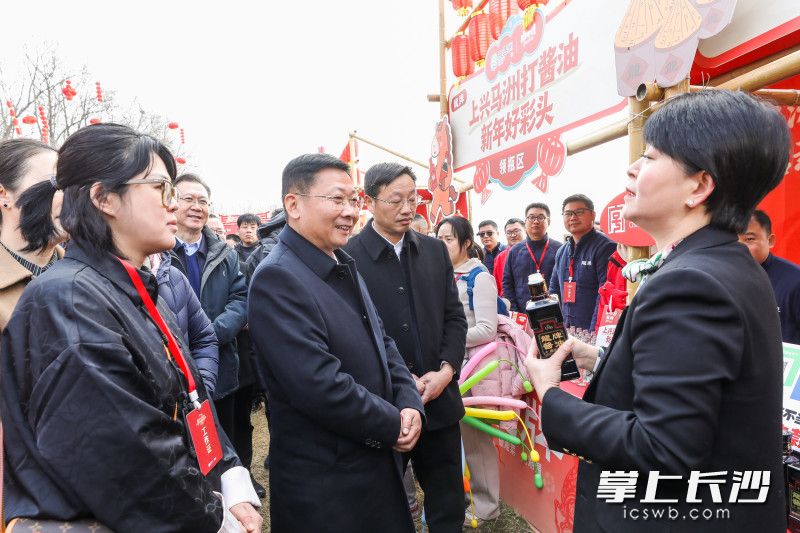
Group 1 - The 2026 Xingmazhou Spring Festival Folk Joy Event was launched on February 8, with key officials in attendance, including the Deputy Mayor and other local leaders [1][3] - The event aims to enhance cultural tourism activities that reflect Hunan's cultural characteristics and engage all age groups, promoting consumer activities during the festive season [3] - The event features a variety of traditional activities, including the "World's Largest Pot of Pork Stew," and includes a design competition for the "Beautiful Courtyard" initiative [4] Group 2 - The event is organized by the Changsha Municipal Government and supported by various local departments, indicating a collaborative effort to boost local tourism and cultural engagement [4] - The activities are designed to stimulate the local economy and enhance the festive atmosphere for residents and visitors alike, focusing on safety and consumer satisfaction [3][4] - The event also includes a presentation by the designer of the United Nations postal stamp for the Year of the Horse, highlighting the global cultural exchange aspect of the festivities [4]

芷江入列国家历史文化名城,湖南这5座城凭什么?
Xin Lang Cai Jing· 2026-01-31 15:24
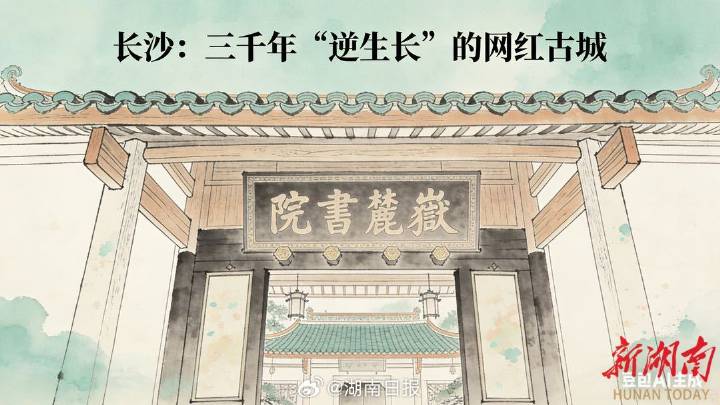
Core Viewpoint - The State Council has approved the designation of Zhijiang Dong Autonomous County in Hunan Province as a National Historical and Cultural City, expanding the list of such cities in Hunan to five: Changsha, Yueyang, Fenghuang, Yongzhou, and Zhijiang [1] Group 1: Changsha - Changsha is the only city from Hunan included in the first batch of National Historical and Cultural Cities, with a history of nearly 3,000 years without changing its name or location [3] - The city has a rich historical heritage, including significant archaeological finds such as the Mawangdui Han Tomb and the Tang Dynasty copper kiln, which produced the earliest underglaze colorful porcelain [4] - Changsha has transformed its historical cultural legacy into a modern "internet celebrity" city, blending ancient literary traditions with contemporary life [5] Group 2: Yueyang - Yueyang, with over 2,500 years of history, is renowned for its cultural significance, particularly due to the famous essay "Yueyang Tower" by Fan Zhongyan, which has shaped the spirit of Chinese scholars [7] - The city is a historical hub with archaeological sites dating back to the Paleolithic era and has been a vital cultural exchange point throughout history [8] - Yueyang is home to several national historical and cultural towns and villages, preserving traditional architecture and vibrant local customs [8] Group 3: Fenghuang - Fenghuang gained recognition as a National Historical and Cultural City due to its unique blend of literature and geography, largely popularized by writer Shen Congwen [10] - The city features well-preserved ancient architecture and is a melting pot of various ethnic cultures, including Miao and Tujia [10] - Fenghuang is characterized by its picturesque landscapes and rich cultural heritage, making it a significant tourist destination [11] Group 4: Yongzhou - Yongzhou, known as "Xiangnan," has a history of over 2,100 years and is recognized for its contributions to agricultural history and literature [13] - The city is famous for its scenic beauty and has been a source of inspiration for many renowned poets and writers throughout history [13] - Yongzhou is also the birthplace of Neo-Confucianism, with significant philosophical contributions that have influenced East Asian thought [14] Group 5: Zhijiang - Zhijiang has been designated as a National Historical and Cultural City, marking its importance in modern Chinese history as the site of Japan's surrender during World War II [16] - The city is recognized as an "International Peace City," promoting peace through cultural festivals and events [16] - Zhijiang is also a center for Dong ethnic culture, featuring unique architectural structures and cultural practices [16] Group 6: Cultural Significance - The five cities—Changsha, Yueyang, Fenghuang, Yongzhou, and Zhijiang—collectively represent the rich tapestry of Hunan's cultural heritage, encompassing various cultural themes such as Chu culture, ethnic diversity, Neo-Confucianism, and revolutionary history [17] - Understanding these cities provides insight into the historical and cultural essence of Hunan Province [18]
云开衡岳 气象万千——走进衡州文化博物馆
Xin Lang Cai Jing· 2026-01-24 03:08
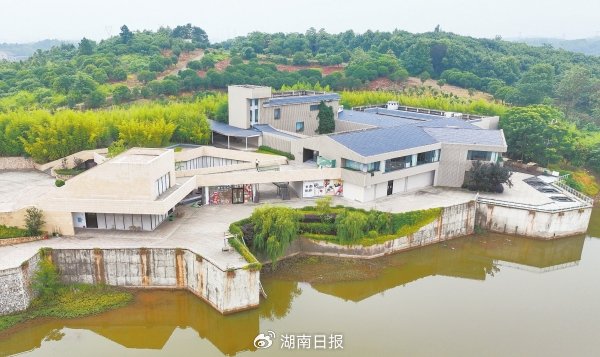
Core Viewpoint - The Hengzhou Cultural Museum, located in Hunan Province, is recognized as one of the most beautiful rural museums in the region, showcasing the rich cultural heritage of Hengyang and attracting significant visitor interest [1][8]. Summary by Sections Museum Overview - The museum covers a total planned area of 22.5 acres, with a building area of 5,124 square meters and an exhibition area of 2,700 square meters, displaying approximately 1,000 cultural relics [3]. - It is the only private historical and cultural comprehensive museum in Hunan and has been recognized as a provincial-level rural museum [3]. Founders and Investment - The museum was founded by Qi Yuping, who invested 200 million yuan in its construction and exhibition, and Tan Yao, who contributed most of the museum's collection [3][4]. - Qi Yuping has lived in Hengyang for 21 years and is deeply connected to the local culture, while Tan Yao has been collecting artifacts related to Hengyang's history for over 30 years [4]. Cultural Significance - The museum's exhibition theme, "Clouds Open at Hengyue - A Journey Through Hengzhou's History and Culture," reflects the profound cultural heritage of Hengyang, emphasizing its historical contributions to Chinese civilization [6]. - The museum is divided into three units that explore the origins and evolution of Hengyang culture, highlighting its agricultural roots, the significance of the South Yue culture, and the contributions of the Hunan school of thought [6][5]. Visitor Engagement and Impact - Since its opening in September 2024, the museum has received over 300 visiting groups and more than 180,000 visitors, indicating its popularity and impact on local tourism [8]. - Visitors have expressed a newfound appreciation for Hengyang's history and culture, contributing to a sense of pride among locals [8]. Future Aspirations - The museum is a key project for the Hunan Tourism Development Conference and aims to play a significant role in the cultural and tourism development of Hengyang, integrating into the Rain Mother Mountain national tourism resort [8].
聚焦湖湘文化 首届双峰诗会举办
Xin Lang Cai Jing· 2026-01-14 12:27
Core Viewpoint - The first National Famous Poets Shuangfeng Poetry Conference was held in Shuangfeng County, Hunan, focusing on the cultural characteristics of Hunan poetry and its historical significance [1] Group 1: Event Overview - The poetry conference was organized by the Chinese Writers Association's Poetry Magazine and included activities such as creative field trips, discussions on Hunan culture in poetry, and poetry outreach in schools [1] - Over 40 writers, poets, and critics participated in the event, including notable figures like Xu Guixiang, vice chairman of the Chinese Writers Association, and Li Shaojun, editor-in-chief of the Poetry Magazine [1] Group 2: Cultural Discussion - During the seminar on "Hunan Culture in Poetry," participants engaged in in-depth academic dialogue about the spiritual characteristics of Hunan culture [1] - The attendees unanimously recognized that Hunan poetry, rooted in Qu Yuan's sense of crisis, has developed a unique temperament characterized by resilience and generosity throughout history [1] - This cultural spirit embodies a patriotic sentiment and a pragmatic character, while also showcasing a blend of romantic ideals and revolutionary passion, contributing to the profound and rich spiritual landscape of Hunan poetry [1] Group 3: Cultural Exploration - Poets explored significant cultural landmarks in Shuangfeng, including the former residences and memorials of notable figures such as Cai Hesen, Cai Chang, and Zeng Guofan [1] - The event also featured a "Poetry Masters Entering Schools" initiative, promoting poetry among students [1]
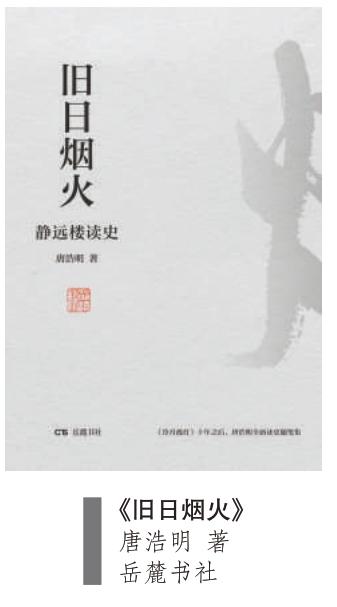
唐浩明:湖湘文化的布道者
Xin Lang Cai Jing· 2025-12-28 14:15
Core Viewpoint - The article discusses the significant contributions of Tang Haoming in the study and promotion of Zeng Guofan's historical and cultural legacy, emphasizing his dedication to preserving and interpreting traditional Chinese culture through literature and historical research [1][14]. Group 1: Contributions of Tang Haoming - Tang Haoming has played a pivotal role in the research and publication of Zeng Guofan's works, including the comprehensive "Zeng Guofan Complete Works," which consists of 30 volumes and 15 million words, achieving remarkable sales of 13,000 sets in just six months [4][14]. - He has dedicated over 40 years to the study and dissemination of Hunan culture, focusing on Zeng Guofan's life and philosophy, and has been recognized for his engaging writing style that appeals to a wide audience [14]. - Tang's efforts have led to a resurgence of interest in Zeng Guofan, resulting in a phenomenon referred to as the "Zeng Guofan craze," with numerous publications emerging, although he expresses concern over the dilution of Zeng's image [14]. Group 2: Cultural Significance - The article highlights the unique cultural characteristics of Hunan, emphasizing the "honest and sincere" nature of its people, which has historically contributed to the region's intellectual and military achievements [9][10]. - Hunan's historical figures, including Zeng Guofan, are noted for their resilience and commitment to national interests, reflecting a shared cultural ethos of courage and dedication [9][10]. - The concept of "stupid sincerity" is presented as a vital aspect of Chinese culture, with Tang advocating for its revival as a necessary quality in contemporary society [10].
湖湘文化何以生生不息?(文化中国行)
Ren Min Ri Bao· 2025-06-09 23:39
Core Viewpoint - The article emphasizes the importance of inheriting and developing Huxiang culture in the new era, highlighting its historical significance and contemporary relevance as part of building a modern Chinese civilization [1]. Group 1: Cultural Heritage and Education - The Yuelu Academy integrates traditional education with modern practices, emphasizing interdisciplinary collaboration and student autonomy, which contributes to the ongoing transmission and innovation of Huxiang culture [2]. - Hunan has committed to investing 3.3 billion yuan over five years to implement six major projects for cultural heritage protection and utilization, aiming to enhance the vitality of Huxiang culture [3]. Group 2: Revolutionary Education Initiatives - The "My Shaoshan Journey" program has attracted over 700,000 students since 2023, promoting patriotic education through immersive experiences at revolutionary sites [8]. - The program connects historical learning with modern educational practices, utilizing revolutionary culture as a key resource for Huxiang culture [9]. Group 3: Cultural Tourism and Innovation - The "Now at Yueyang Tower" immersive theater experience revitalizes the historical narrative of "Yueyang Tower" through modern technology, engaging younger audiences and enhancing cultural appreciation [10]. - The Hunan Tourism Development Conference has successfully showcased numerous intangible cultural heritage projects, blending traditional culture with modern technology to invigorate Huxiang cultural landmarks [11].
湘菜席卷全国,这座湖南城市功不可没
3 6 Ke· 2025-05-23 02:06
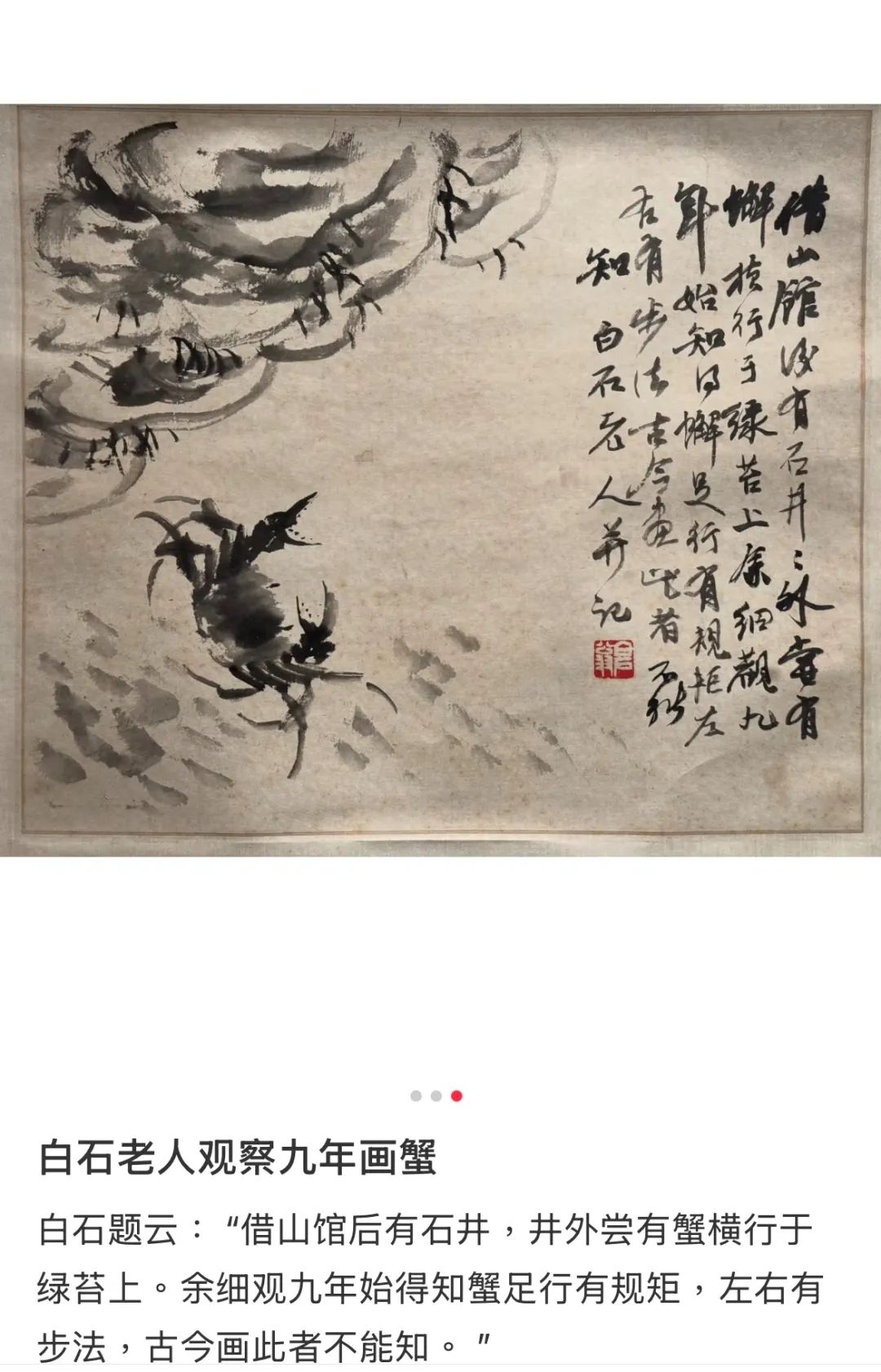
Core Insights - Xiangtan, located in central Hunan, is part of the "Chang-Zhu-Tan Urban Circle" and is known for its rich culinary culture, particularly its famous dishes like "Mao's Braised Pork" and local rice noodles [1][2][9] Historical and Cultural Significance - Xiangtan has a history of over 1500 years and is a significant site for Huxiang culture, contributing to Chinese history through various intellectual and revolutionary movements [2][4] - The city is recognized as a "celebrity gathering place," with notable figures such as Mao Zedong and Qi Baishi having strong ties to the area [3][4] Culinary Highlights - "Mao's Braised Pork" is a signature dish associated with Mao Zedong, who had a fondness for it since his youth, and it has become a symbol of Xiangtan's culinary identity [2][3][10] - Xiangtan is also known for its "Xiang Lotus," which has a long history and is considered a high-quality agricultural product, with the "寸三莲" variety being particularly renowned [5][6] - The local rice noodles are softer and thinner compared to those in Changsha, making them ideal for absorbing flavors from the broth, with "十八总大码头米粉" being a popular establishment [6][9] Economic and Social Aspects - Xiangtan's historical prosperity is reflected in its vibrant commercial past, with references to its bustling markets and trade routes during the Ming and Qing dynasties [7][8] - The city has transformed its historical sites into cultural attractions, drawing tourists and preserving its rich heritage [8][12]
全国最下饭的小城,装下半部湘菜史
3 6 Ke· 2025-05-19 12:09
Group 1 - Xiangtan is part of the "Chang-Zhu-Tan Urban Circle" in Hunan, known for its rich culinary culture, particularly its famous dishes like "Mao's Braised Pork" and local specialties such as rice noodles and lotus seeds [1][2][7] - The city has a historical significance, being a birthplace of notable figures in Chinese history, including Mao Zedong and Qi Baishi, contributing to its reputation as a "celebrity city" [4][6][11] - Xiangtan's culinary offerings are deeply intertwined with its cultural heritage, showcasing a variety of traditional dishes that reflect the local history and lifestyle [12][20] Group 2 - The local cuisine includes unique dishes like "Chopped Pepper Fish Head" and "Water Boiled Live Fish," which highlight the region's culinary techniques and flavors [16][19] - Xiangtan is also known for its agricultural products, particularly "Xianglian" (lotus seeds), which have a long history and are recognized for their quality [7][10] - The city's historical commercial significance is illustrated by its past as a bustling trade hub, earning it the nickname "Golden Xiangtan" during the Ming and Qing dynasties [11][12]