熊彼特式创新

Search documents
经济学诺奖得主的富二代人生:香奈儿老佛爷帮他写作业,AI时代反对向机器人征税
量子位· 2025-10-19 08:10
Core Viewpoint - The 2025 Nobel Prize in Economic Sciences was awarded to three scholars who highlighted the critical role of technological and scientific innovation in driving economic growth, emphasizing the importance of continuous investment in basic research for long-term economic advancement [2][5][3]. Group 1: Nobel Prize Winners and Their Contributions - The prize was shared equally between Joel Mokyr, Philippe Aghion, and Peter Howitt, who revealed how technology and scientific innovation interact with market competition to foster economic growth [5][7]. - Joel Mokyr's research demonstrated the self-reinforcing relationship between scientific breakthroughs and technological applications, which is essential for sustained economic growth [7][11]. - Aghion and Howitt developed a pioneering mathematical model in the 1990s that explains how firms improve production processes and introduce higher-quality products through R&D investments, ultimately replacing established market leaders [8][30]. Group 2: Historical Context and Economic Growth - Historically, economic growth was sporadic, with little change in living standards until the Industrial Revolution in the 18th century, which initiated a self-reinforcing cycle of innovation and economic growth [21][22]. - Over the past two centuries, many countries have maintained an average economic growth rate of about 2%, which, due to compounding effects, results in significant income increases over decades [23][25]. - Joseph Schumpeter's concept of "creative destruction" explains that economic progress is driven by innovation that disrupts existing industries and creates new growth opportunities [26][28]. Group 3: Mechanisms of Innovation and Economic Dynamics - Mokyr identified two types of "useful knowledge" that drive innovation: propositional knowledge (understanding natural laws) and normative knowledge (practical guidelines) [30][29]. - Aghion and Howitt's model illustrates that the continuous replacement of old firms with new ones is a key engine of economic growth, as new companies strive to innovate and outperform established players [34][36]. - The rise of AI is currently instigating another wave of creative destruction, reinforcing the relevance of the Nobel laureates' research [40][41]. Group 4: Implications of Innovation - Innovation leads to the emergence of new winners while potentially sidelining others, raising concerns about job displacement and inequality [41][42]. - A robust policy framework is necessary to manage the effects of innovation and prevent market failures, ensuring that the mechanisms behind creative destruction are maintained [43][44].

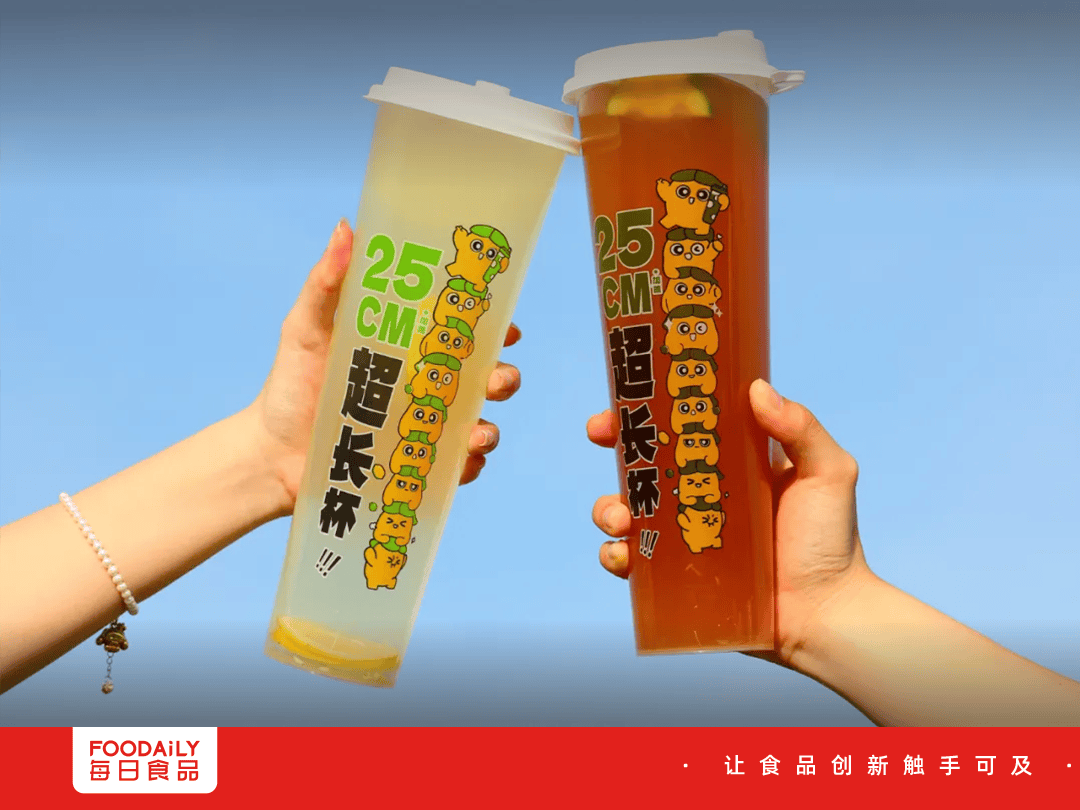
全场5.9元,比蜜雪还便宜,这个品牌要做“东南下沉王”
Sou Hu Cai Jing· 2025-04-27 13:24
Core Insights - A new tea beverage brand, "Happy Sweet Potato," has launched a promotional campaign offering all products at 5.9 yuan, significantly undercutting competitors and achieving remarkable sales growth in participating stores [2][5][12] Group 1: Promotional Strategy - The campaign involved a three-month trial in approximately 200 stores in Fujian and Guangdong, resulting in over 90% of stores experiencing sales growth, with some stores seeing a staggering 1136.75% increase in revenue [2][5][12] - The CEO of Happy Sweet Potato, Liao Mingtong, stated that the decision to implement the 5.9 yuan pricing was driven by the need to increase sales volume rather than profit margins [2][8] Group 2: Pricing and Cost Management - Happy Sweet Potato plans to enforce an 18% price reduction across all 2000 stores starting December 25, 2024, bringing the average price per cup down to 6-8 yuan, comparable to competitors like "Mixue" [8][10] - To support this pricing strategy, the company has reduced material costs by 16%, ensuring that store-level gross margins remain around 50% despite the lower prices [10][12] Group 3: Operational Efficiency - The company is also simplifying its production processes and investing in automated equipment to enhance operational efficiency, which is crucial for maintaining profitability while lowering prices [15][17] - Happy Sweet Potato has established a comprehensive supply chain, producing 70% of its materials in-house, which allows for better control over costs and quality [22][24] Group 4: Future Outlook - The company is focused on maintaining its market presence and plans to invest 3.3 billion yuan in a new food technology industrial park, expected to reduce costs further and improve overall profitability [25] - The strategy reflects a shift towards a dual-category model of "tea beverages + snacks," aiming to capture a larger market share in the competitive tea beverage sector [30]