爆款引流

Search documents
“爆款易造,复购难留”! 透过沃集鲜看零售自有品牌的生存考题
Sou Hu Cai Jing· 2026-01-29 15:22
Core Insights - The retail industry is facing challenges from strong competitors like Sam's Club and Hema, leading to a consensus on the need for traditional supermarkets to innovate and develop private labels [1] - Walmart's private label, Woji Xian, has gained significant attention due to its high cost-performance ratio, but underlying issues such as customer retention, brand matrix imbalance, and supply chain resilience remain critical challenges [1][3] Group 1: Market Dynamics - Woji Xian has become a hot topic in the retail sector, with products frequently appearing in discussions about high cost-performance and must-buy lists on social media [3] - The pricing strategy of Woji Xian, such as 19.9 yuan for 198 grams of apple chips and 9.9 yuan per liter for fresh milk, effectively meets consumer demands for quality and affordability [3] - The retail environment is characterized by simultaneous consumer downgrade and quality upgrade, with consumers becoming more budget-conscious while demanding higher product quality and safety [3] Group 2: Business Model Challenges - The focus on extreme cost-performance may lead to long-term challenges, as maintaining low prices often requires cost-cutting measures that can compromise product quality [4] - A report indicates that 23% of suppliers have lowered food quality standards due to price pressures, raising concerns about food safety and consumer trust [5] - The reliance on low prices could trap Woji Xian in a price war, limiting its ability to upgrade the brand and increase profit margins through premium products [5] Group 3: Customer Retention Issues - Woji Xian's strategy of using popular single products to attract customers may hinder repeat purchases, as many consumers only visit to buy specific items and do not explore other offerings [6] - Competitors like Sam's Club and Hema have established effective customer loyalty through unique service offerings and membership models, which could impact Woji Xian's ability to retain customers [7] - The lack of a refined membership system and personalized product recommendations limits Woji Xian's ability to foster long-term brand loyalty [7] Group 4: Competitive Landscape - Competitors are enhancing their service offerings, with brands like Sam's Club and Hema creating closed loops of customer engagement through unique product offerings and rapid delivery services [7] - Woji Xian's similarity to Sam's Club in product offerings and branding may provide short-term market advantages but risks diminishing its unique brand identity over time [8] - The reliance on imitation could weaken Woji Xian's innovation capabilities, making it vulnerable to shifts in competitor strategies [8] Group 5: Supply Chain Considerations - The success of Woji Xian is closely tied to Walmart's robust supply chain, which ensures product freshness and cost control through partnerships with suppliers [18] - However, the current distribution of Woji Xian, which accounts for 30% of community store offerings, is limited, necessitating supply chain upgrades for broader market penetration [19] - As Walmart expands into new cities, the supply chain must adapt to regional preferences and ensure consistent product quality across different locations [19] Group 6: Consumer Behavior and Market Positioning - The core customer base for Walmart's large stores is primarily price-sensitive consumers, while Woji Xian targets urban middle-class consumers willing to pay a premium for better products [14] - The market is saturated with various retail options, making it challenging for Woji Xian to attract consumers who have already established shopping habits with competitors [15] - Consumer perceptions of retail channels are well-defined, and Woji Xian's attempt to position itself as a provider of quality products may conflict with existing consumer expectations of Walmart as a low-price retailer [16]


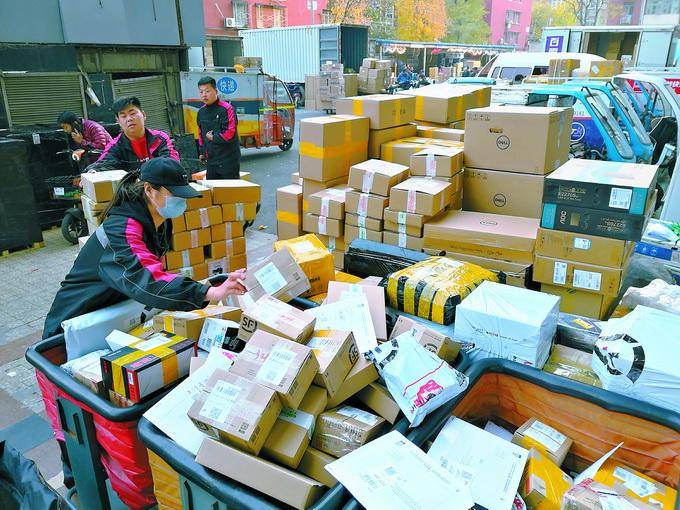
淘宝上几块钱的东西还免运费,商家是怎么赚钱的?内行人道出实情
Sou Hu Cai Jing· 2025-10-08 18:44
Core Insights - The article discusses the business model behind low-priced products on e-commerce platforms, highlighting how merchants manage to sell items at prices as low as 3.8 yuan while still making a profit [1][11]. Group 1: Pricing Strategies - Low-priced items, such as those under 10 yuan, accounted for 35.7% of total transactions on e-commerce platforms in 2025, indicating their growing importance [1]. - Merchants often utilize a "consolidated shipping" model to reduce logistics costs, allowing them to lower the per-item shipping cost to 1-2 yuan [1][3]. - Some merchants employ a "freeloading" strategy, where they include their small items in larger shipments from other sellers, reducing their shipping costs to as low as 0.5 yuan [3]. Group 2: Cost Structure - The production cost for simple items like phone cases can be as low as 0.5-1 yuan, especially when purchased in bulk from manufacturing hubs [3]. - The average profit margin for low-priced items was approximately 15% in the first three quarters of 2025, meaning a 3.8 yuan item might yield a profit of around 0.7-0.8 yuan [3][11]. - Many low-priced products serve as "loss leaders" to attract customers, with some merchants willing to sell at a loss to increase foot traffic [6]. Group 3: Customer Acquisition and Retention - Low-priced items act as a draw for customers, with data showing that stores offering such products see a 30% increase in overall visitor traffic [4]. - Approximately 25% of customers who enter a store to buy low-priced items end up purchasing additional higher-margin products [4]. - Stores with low-priced items have a 20% higher repurchase rate compared to those without [11]. Group 4: Additional Revenue Streams - Many low-priced products offer upsell options, where customers can pay extra for better quality or customization, with 40% of consumers opting for these add-ons [6]. - Merchants often implement minimum purchase requirements to encourage bulk buying, increasing the average transaction value by 35% [7]. - The use of "shared logistics" and optimized packaging for small items can save 0.5-0.8 yuan per shipment, further enhancing profitability [9]. Group 5: Consumer Behavior and Satisfaction - Despite lower prices, consumer satisfaction for items under 10 yuan remains relatively high, averaging 4.1 out of 5, indicating that many low-priced products meet basic expectations [10]. - E-commerce platforms often provide subsidies for low-priced items, which can account for about 5% of the product price, making these items more attractive to consumers [10].