
片区建设

Search documents
长清区3处共享绿地入选济南市首批“星级共享绿地”名录
Qi Lu Wan Bao· 2026-02-04 02:38
Group 1 - The report highlights the accelerated development of the Longqing District by 2025, with significant infrastructure projects such as the completion of the Qinghefang Commercial Street and the Huanghe City Square [1] - The agricultural market area is seeing increased activity with a new fruit trading center and an additional trading area of 130,000 square meters, attracting logistics companies like YTO Express [1] - The new residential projects in the Zhongchuan Bay area are recognized as high-quality housing pilot projects, with the first low-energy passive technology residence being highlighted [1] Group 2 - The completion of major highways and the initiation of the Jizheng High-speed Railway passenger hub are enhancing urban functionality [2] - The implementation of urban beautification projects has led to the recognition of several residential areas as "garden-style residential areas" [2] - A significant reduction in illegal construction incidents by 52% has been achieved through the establishment of a risk prevention mechanism [2]

农业大省的乡村振兴探索:以片区建设打造齐鲁样板
经济观察报· 2025-10-14 11:49
Core Viewpoint - Shandong province is recognized as China's leading agricultural province, with a significant mission to create a model for rural revitalization, as emphasized by President Xi Jinping [2][4]. Group 1: Rural Revitalization Strategy - The "Qilu Model" for rural revitalization is being explored through a reform model led by regional planning, with a total of 2,070 areas established across Shandong, covering over 18,000 administrative villages [2][8]. - The "5210N" industrial cluster in Binzhou focuses on five trillion-level industries, two national-level characteristic industry clusters, and ten provincial-level characteristic industry clusters, which are crucial for rural revitalization [4][5]. Group 2: Case Studies and Implementation - The Xiwang provincial rural revitalization model in Wudi County covers 13 villages and has developed a cotton production capacity of 20,000 tons of yarn annually [5]. - The Li Zhuang model in Huimin County integrates the "Internet + rope net" strategy, resulting in 29 Taobao villages and an online transaction volume exceeding 3 billion yuan [5]. Group 3: Challenges and Demographics - Rural areas face significant population outflow, with 91% of surveyed villages experiencing net population loss, highlighting the issue of "hollow villages" [10]. - The aging population in rural areas has increased dramatically, with the elderly population rate rising from 5.82% in 1989 to 19.3% in 2022, nearing the threshold of a super-aged society [11]. Group 4: Recommendations for Future Development - Emphasis on equitable investment in rural areas, focusing on low-income villages, and ensuring that rural construction meets the needs of the local population [12]. - The need for a modernized urban-rural integration development ecosystem is highlighted, addressing the challenges of agricultural labor migration and promoting the integration of urban and rural industries [11].

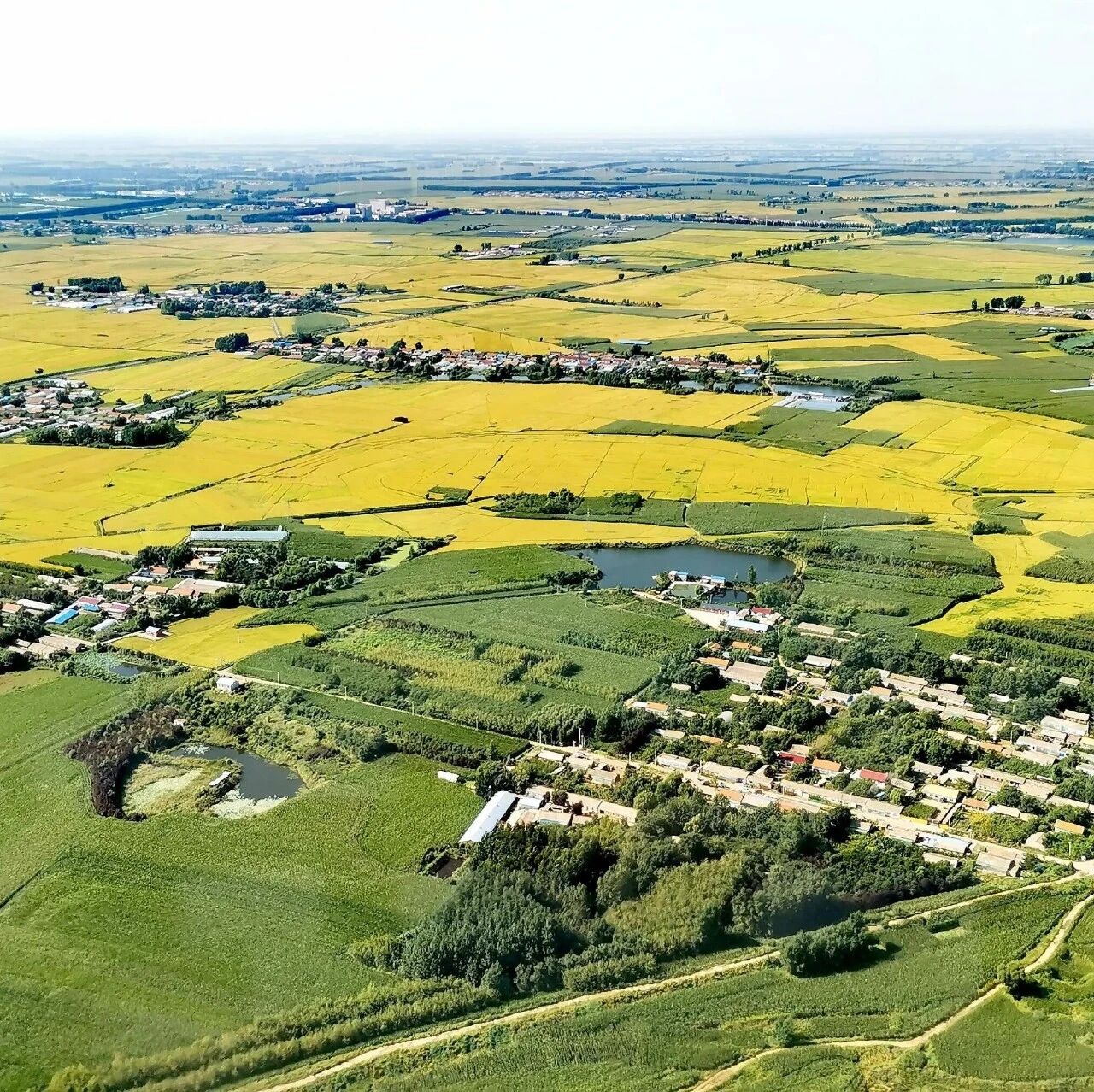
农业大省的乡村振兴探索:以片区建设打造齐鲁样板
Jing Ji Guan Cha Wang· 2025-10-13 10:34
Core Insights - The "Rural Revitalization Qilu Forum 2025" focuses on Shandong's exploration of a reform model led by regional construction to promote comprehensive rural revitalization [1][2] - Shandong, as China's largest agricultural province, is tasked with creating a Qilu model for rural revitalization, with significant expectations from President Xi Jinping [1][5] - The region has established 2,070 construction areas covering over 18,000 administrative villages, reflecting a practical exploration of the directives from the central government [5][6] Group 1: Regional Development and Agricultural Output - In 2024, Binzhou City achieved a grain planting area of 8.911 million acres, with a total grain output of 3.881 billion kilograms, making it the first city in China to surpass 200 billion yuan in grain industry economy [2] - Binzhou's strategy involves grouping adjacent villages with similar industries and cultures for collective development, emphasizing the integration of primary, secondary, and tertiary industries [2][3] - The "5210N" industrial cluster in Binzhou includes five trillion-yuan advantage industries, two national-level characteristic industry clusters, and ten provincial-level characteristic industry clusters [2] Group 2: Case Studies of Successful Implementation - The Xixiaowang provincial rural revitalization area in Wudi County covers 13 villages and 29 square kilometers, involving 12,000 people, focusing on cotton production and industrial capacity [3] - The Lijiang city-level rural revitalization area in Huimin County spans 7.5 square kilometers, covering 15 natural villages and 7,943 people, leveraging the rope net industry with significant e-commerce growth [3] - Binzhou has constructed 83 tiered areas at the provincial, municipal, and county levels, covering over 1,000 villages, showcasing multiple small-scale models of rural revitalization [3] Group 3: Broader Context and Challenges - The aging population in rural areas is significantly higher than in urban areas, with rural aging rates rising from 5.82% in 1989 to 19.3% in 2022, indicating a trend of youth migration to cities [7] - The phenomenon of "hollow villages" is prevalent, with 91% of surveyed villages experiencing net population outflow, highlighting the need for integrated rural development strategies [6][7] - Experts suggest that rural revitalization should focus on equitable resource allocation and community involvement, ensuring that rural development meets the needs of local populations [8]