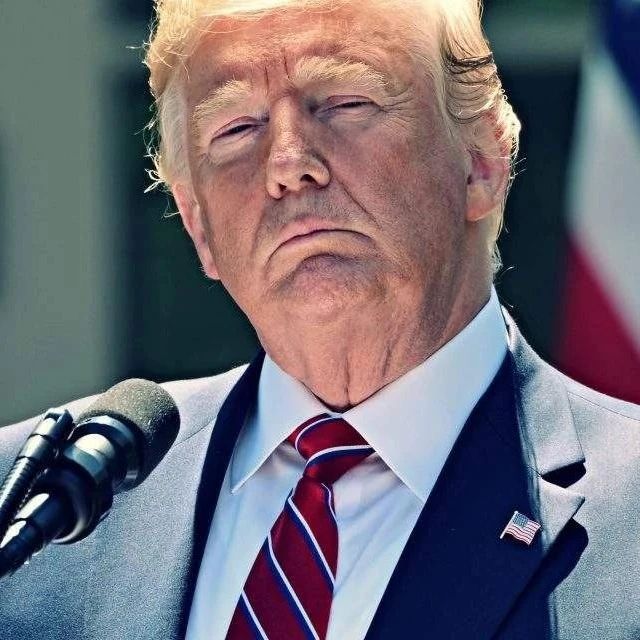
特朗普总是退缩(TACO)

Search documents
华尔街对特朗普关税“免疫”,市场缘何无视贸易战威胁再创新高?
Di Yi Cai Jing· 2025-07-18 11:15
Core Viewpoint - The market is currently waiting for clear economic data to confirm whether tariffs are significantly damaging the global or U.S. economy [1][5] Group 1: Market Reactions to Tariffs - Recent tariff policies from the U.S. government have led to only mild reactions in the financial markets, with the S&P 500 and Nasdaq indices reaching new closing highs [1] - The S&P 500 index has risen by 7.31% and the Nasdaq index by 8.32% since the beginning of the year [1] - The Chicago Board Options Exchange Volatility Index, known as the "fear index," has dropped over 18% in the past month [1] Group 2: Investor Sentiment and Expectations - Investors are experiencing "headline fatigue" regarding tariff announcements, as they perceive these announcements as negotiation tactics rather than firm policy commitments [4] - The market has formed a belief that President Trump's tariff announcements are often subject to change, leading to a phenomenon referred to as "Trump Always Retreats" (TACO) [3][4] - The market's response to tariffs has been muted, with significant fluctuations occurring only when tariffs are first announced or when they are delayed [3] Group 3: Economic Data and Impacts - Current economic data does not show clear negative impacts from tariffs, with some data indicating resilience in consumer spending and employment [5] - The Consumer Price Index (CPI) rose by 2.7% year-on-year in June, indicating that tariffs are increasing living costs, but this is still below the 3% level seen when Trump took office [5] - Retail sales increased by 0.6% month-on-month in June, exceeding expectations, while non-farm payrolls added 147,000 jobs, with an unemployment rate of 4.1% [5] Group 4: Future Outlook - If additional tariffs are implemented on August 1, it could lead to increased price pressures and a slowdown in real disposable income growth, impacting short-term consumption [6] - The core consumer price index rose by 0.7% year-on-year in June, the highest level in nearly two years, indicating that the impact of tariffs on inflation is becoming clearer [5][6]

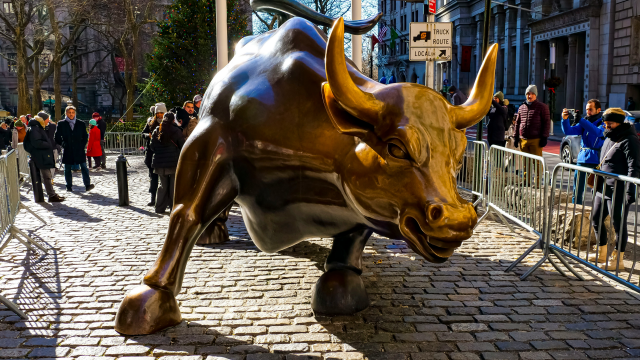
特朗普预告重大声明,“起爆点”就在今晚?
凤凰网财经· 2025-07-14 14:19
Group 1 - The market's reaction to Trump's recent tariff statements has been relatively muted, but concerns about potential risks to the U.S. economy remain, particularly regarding his upcoming announcement on Russia [1] - Major investors and bankers warn of growing complacency in the market, believing that Trump will abandon policies that could threaten financial stability [1][4] - The S&P 500 index has surged approximately 30% since its low in April last year, following Trump's suspension of comprehensive tariffs, yet the market largely ignored his latest tariff threats against major economies [1] Group 2 - Trump insists on implementing severe "reciprocal" tariffs starting August 1, with no extensions if trade agreements are not reached, although Wall Street banks suggest he may lower tariffs to avoid market turmoil [2] - Optimism regarding Trump's tariff policies has helped suppress volatility in U.S. stock and bond markets, with Goldman Sachs noting that credibility issues explain the market's calm response to recent tariff announcements [3] - Concerns are rising among bankers and investors that Trump may maintain his hardline stance, potentially surprising the market [4] Group 3 - There are broader concerns beyond tariffs, including Trump's pressure on the Federal Reserve to lower interest rates, which threatens the Fed's independence, and the passage of a budget plan that could increase public debt by trillions [5] - The U.S. dollar has experienced its worst half-year performance since 1973, with some bankers fearing deeper pressures may arise in the future [5] - The growing U.S. deficit is highlighted as the largest in peacetime since World War II, with calls for fiscal responsibility to avoid damaging the bond market and the dollar [6] Group 4 - There is increasing anxiety regarding the political climate in the U.S., with Trump's attacks on the legal system, media, and universities causing global investors to worry about the stability of the largest economy [6]