王官之学

Search documents
中央党校王杰教授:从神本到人本 先秦哲学的两次重大转向
Xin Lang Cai Jing· 2025-12-25 23:32
Core Insights - The lecture by Professor Wang Jie focuses on the evolution of Chinese philosophy, particularly the two significant transformations during the pre-Qin period that shaped its unique characteristics and relevance today [3][20]. Group 1: Historical Context and Framework - Chinese philosophy is not a linear development but a complex, multi-layered process that has evolved through historical interactions and transformations [3][4]. - The evolution of Chinese philosophy can be divided into seven stages, starting from the pre-Qin schools of thought to the Qing dynasty's practical studies, each building upon the previous one [6][9]. Group 2: Key Transformations - The first major transformation occurred from a "theological" perspective to a "humanistic" consciousness, marking a shift from divine authority to ethical governance during the Western Zhou period [10][13]. - The second transformation transitioned from "official learning" to "hundred schools of thought," allowing for a more diverse and independent intellectual discourse, particularly during the Warring States period [15][16]. Group 3: Philosophical Implications - The first transformation established a foundation for ethical governance, emphasizing human agency and moral responsibility over divine will [12][14]. - The second transformation fostered a rich intellectual environment where various schools of thought, such as Confucianism, Daoism, and Legalism, could emerge and compete, leading to a dynamic philosophical landscape [17][18]. Group 4: Contemporary Relevance - Understanding these historical shifts is crucial for addressing modern challenges and fostering cultural confidence, as they provide insights into how traditional Chinese philosophy can inform contemporary issues [20][21].


郁翔越:“制造”《昆仑山铭》?我们不妨先进行一次“昆仑”溯源之旅
Guan Cha Zhe Wang· 2025-06-12 07:13
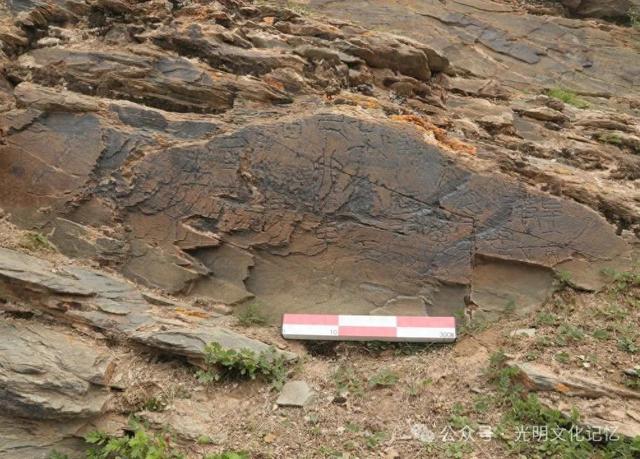
Core Viewpoint - The discovery of the "Kunlun Mountain Inscription" has sparked significant debate within the academic community and among the public, highlighting the importance of historical understanding and the role of archaeological findings in shaping perceptions of history [1][5][27]. Group 1: Discovery and Initial Reactions - The "Kunlun Mountain Inscription," a 37-character stone inscription from the Qin Dynasty, was discovered near the source of the Yellow River and is considered the only remaining inscription from the time of Qin Shi Huang at its original site [1][5]. - The publication of the inscription led to immediate controversy, with scholars like Peking University professor Xin Deyong questioning its authenticity and suggesting it may be a modern forgery [5][7]. - The academic discourse surrounding the inscription reflects a healthy debate, with both supporters and skeptics providing arguments, which enhances public engagement with historical topics [5][7]. Group 2: Key Points of Contention - Critics have raised several issues regarding the inscription, including its precise dating, the use of the term "方士" (fangshi), and the accuracy of the geographical references made in the text [7][11][12]. - Specific concerns include the inscription's mention of "皇帝" (emperor) in a year that may not align with historical records, as well as the logistical challenges of travel in the harsh winter conditions described [8][11][12]. - The debate also touches on the historical understanding of the Kunlun Mountain's location, with scholars arguing that the inscription's claims contradict established historical knowledge about the geography of the Yellow River's source [12][18][20]. Group 3: Broader Implications - The discussions surrounding the "Kunlun Mountain Inscription" serve to deepen public understanding of historical narratives and the complexities involved in interpreting archaeological findings [5][27]. - The inscription's significance is further amplified by its connection to the broader cultural and historical identity of the Kunlun Mountains, which are viewed as a symbol of Chinese heritage [26][27]. - The ongoing research and debates about the inscription reflect a growing interest in the study of ancient geography and its implications for understanding China's historical landscape [27][39].