
现实主义文学

Search documents
黄土地的壮丽史诗
Xin Lang Cai Jing· 2026-02-17 07:03
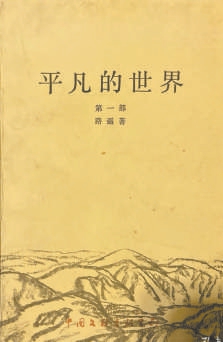
Core Viewpoint - "Ordinary World" by Lu Yao is a significant literary work that captures the struggles and resilience of ordinary people during the social changes in China in the 1970s and 1980s, showcasing the enduring power of realism in literature [1][4]. Creation Process - The creation of "Ordinary World" involved years of preparation, including extensive reading of classical literature and modern novels, as well as immersive experiences in rural and industrial settings to authentically depict life [4][5]. - Lu Yao's dedication to realism is evident in the numerous revisions and notes in his manuscripts, reflecting his respect for the sanctity of literature and the personal investment in the work [4][6]. Publication History - The novel faced initial rejection due to its realistic portrayal but was eventually published in 1986, gaining recognition after winning the Mao Dun Literature Prize in 1991, leading to multiple reprints and adaptations [5][6]. Thematic Elements - The narrative intertwines the lives of the Sun family, illustrating the vast social landscape of early reform-era China, with themes of struggle, resilience, and the philosophical underpinnings of suffering and effort [6][12]. - The characters embody idealized traits of goodness and perseverance, with a narrative strategy that emphasizes emotional connections and moral ideals, resonating with readers' expectations of virtue [7][12]. Artistic Techniques - Lu Yao employs a narrative style that combines omniscient perspectives with personal reflections, enhancing the emotional depth of the story while incorporating regional dialects and cultural elements to create a unique aesthetic [7][9]. Social Impact - The novel's adaptation into a radio drama in 1988 significantly broadened its audience, breaking down barriers to literary access and allowing the story to resonate with a wide demographic [9][10]. - The success of the television adaptation further expanded the reach of the original work, demonstrating the effectiveness of visual storytelling in engaging new audiences and enhancing the cultural significance of the narrative [10][12]. Educational Influence - "Ordinary World" has become a vital part of educational curricula, serving as a moral guide for youth and reinforcing the values of self-determination and perseverance in the face of adversity [12][13].

作家需要 匍匐在生活的大地上
Xin Lang Cai Jing· 2026-01-31 22:37
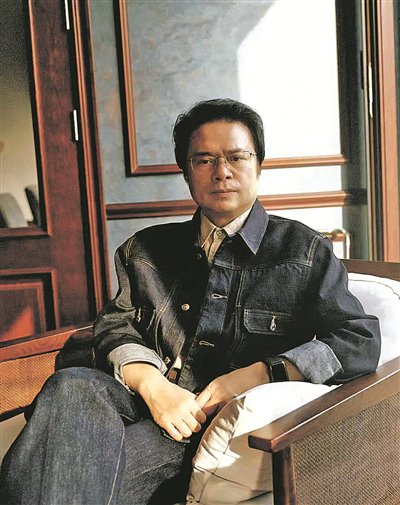
Core Viewpoint - Chen Yan's latest novel "Human Dwelling" explores the theme of housing allocation during a specific historical period, reflecting on human fate and societal complexities through the lens of cultural and artistic communities [4][5]. Group 1: Novel Themes and Structure - "Human Dwelling" uses the housing allocation process as a narrative pivot, revealing the rise and fall of various characters' fates, ultimately suggesting that life follows a cyclical pattern [4][6]. - The novel's dual structure of "above ground housing" and "underground archaeology" creates a mirror effect between life and death, establishing a philosophical foundation for the narrative [9]. Group 2: Character Analysis - The protagonist, Man Tingfang, embodies the struggle between human warmth and coldness, representing the characteristics and circumstances of contemporary Chinese intellectuals [6][10]. - The character's journey reflects the importance of human warmth and empathy in a society where individuals often prioritize self-interest [10]. Group 3: Cultural and Artistic Reflections - The novel emphasizes the significance of folk culture and its resilience, suggesting that a nation's cultural elevation relies on its grassroots cultural heritage [11]. - Chen Yan integrates elements of classical literature with everyday life, highlighting the beauty of language and cultural traditions [12][14]. Group 4: Author's Perspective on Writing - Chen Yan believes that writers should focus on familiar lives and environments, using them as a foundation to explore deeper human experiences and societal issues [16][17]. - The author stresses the need for literature to maintain a balance between realism and artistic expression, advocating for a grounded approach to storytelling [18].
《小寒日访程爷》
Xin Lang Cai Jing· 2025-12-21 00:07
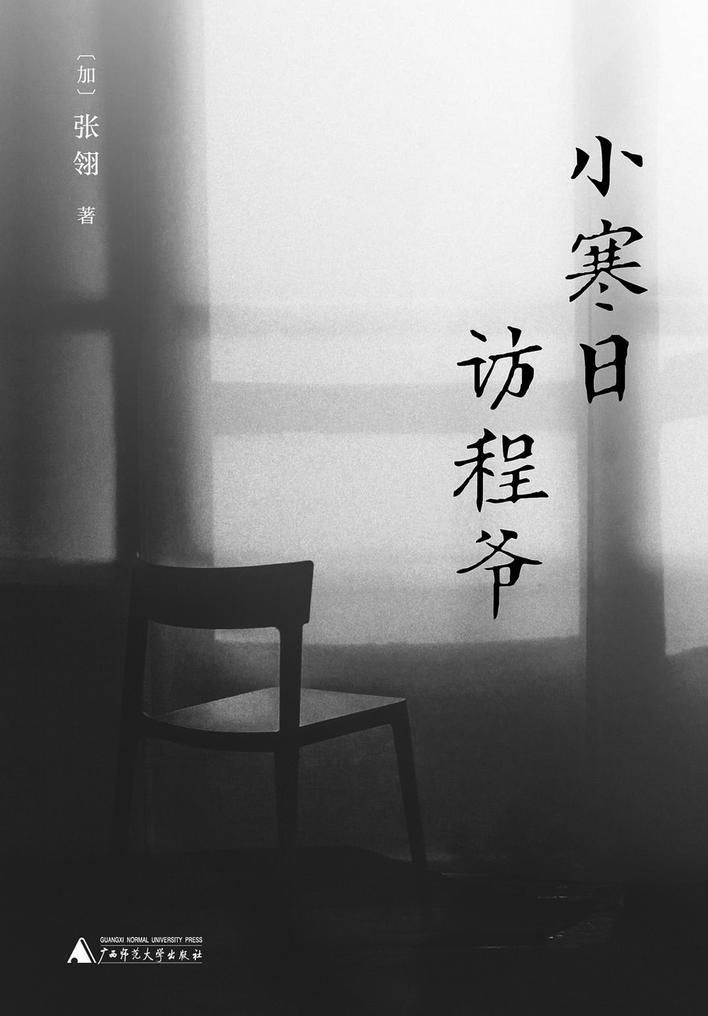
Group 1 - The core viewpoint of the article highlights the release of a new collection of novellas by renowned Chinese author Zhang Ling, which addresses significant themes of human existence and relationships [3] Group 2 - The first novella, "Visiting Grandpa Cheng on a Cold Day," is narrated from the perspective of a female journalist and tells the story of an elderly war veteran, focusing on his emotional world and living conditions during a tumultuous historical period [3] - The second novella, "Chronicle of the Epidemic Fox," won the 2022 annual novella award from the "Harvest" literary list and explores themes of connection and separation, particularly emphasizing the mother-daughter relationship and issues surrounding Alzheimer's disease [3] - Both novellas, despite their different subjects, consistently reflect on the human condition, showcasing Zhang Ling's unique narrative style that invites deep reflection on life [3]
冷幽默之下,是理想主义的“暖”(新作速评)
Ren Min Ri Bao· 2025-12-01 22:11
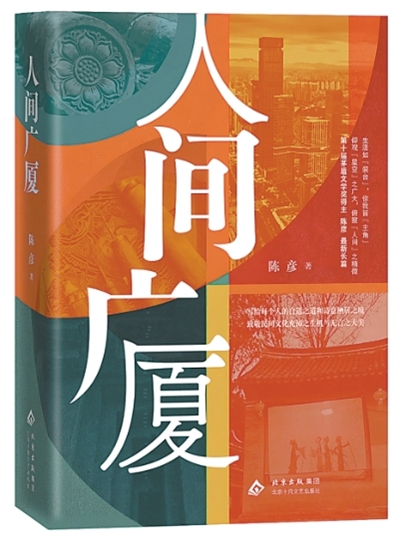
Core Viewpoint - Chen Yan is a notable figure in both drama and novel writing, successfully transitioning between the two forms while maintaining a strong literary voice and perspective on societal issues [1][2]. Group 1: Literary Achievements - Chen Yan's long-form novels, including his latest work "Humanity's Grand House," integrate dramatic elements while remaining grounded in realism, showcasing his confidence as a writer [2][4]. - "Humanity's Grand House" serves as both a memoir and a revelation, addressing ongoing societal issues related to distribution and evaluation of resources and fame [5]. Group 2: Narrative Style and Themes - The novel is characterized by a unique narrative style that combines cold humor with warmth, reflecting the author's empathy for the underprivileged and a critical view of social distribution systems [9]. - The structure of "Humanity's Grand House" is notable for its 100 chapters, each rich with human experiences and societal observations, fulfilling the criteria of an excellent novel [6][7].
《我和塞尚》:各自艺术道路上的执着前行
Jing Ji Guan Cha Bao· 2025-05-08 04:18
Core Perspective - The film "Cézanne et moi" explores the deep friendship and artistic struggles between French literary giant Émile Zola and Impressionist master Paul Cézanne, highlighting their mutual admiration and the eventual conflict that led to the breakdown of their relationship [1][2]. Group 1: Artistic Journey - Zola and Cézanne initially bond over their shared passion for art, with Zola focusing on realistic literature and Cézanne on capturing the nuances of nature through color and light [1]. - Zola's works, such as "Germinal," reveal social issues and human weaknesses, earning him recognition in the literary world, while Cézanne's innovative approach to painting, including geometric shapes and bold colors, challenges traditional norms [2]. Group 2: Conflict and Separation - The divergence in their artistic philosophies leads to a conflict of values, culminating in Zola's critical portrayal of Cézanne in his novel "The Masterpiece," which Cézanne perceives as a betrayal [2]. - The film poignantly depicts the emotional turmoil of their arguments and disappointments, illustrating the fragility of friendship under societal pressures [2]. Group 3: Legacy and Cultural Significance - After their friendship ends, Cézanne retreats to his hometown, dedicating himself to painting despite societal neglect, ultimately becoming a pivotal figure in modern art [3]. - The film also celebrates the richness of French culture, showcasing the beauty of Provence and the characters' unwavering commitment to their artistic beliefs, embodying the spirit of innovation in French culture [3][4].