
现金收付规定

Search documents
拒收现金?央行等部门出手了
Xin Hua She· 2025-12-20 10:33
Core Viewpoint - The People's Bank of China and two other departments have issued new regulations to prevent and address the refusal of cash payments, aiming to create a more convenient cash circulation environment alongside diverse payment methods, effective from February 1, 2026 [1][2] Group 1: Regulations and Compliance - The new regulations clarify the cash service obligations of various charging units, operating entities, and banking financial institutions [1] - It is prohibited to refuse cash payments unless required by law or regulations, and entities cannot induce others to refuse cash or implement discriminatory measures against cash payments [1] Group 2: Implementation and Support - The regulations categorize measures based on different fields and scenarios, requiring entities using self-service models or unified management systems to clearly indicate payment methods and cash service contact information [1] - Banks are required to establish emergency cash service mechanisms to ensure cash supply and optimize service for special groups, including the elderly, disabled, and foreign individuals [2] Group 3: Complaint Mechanism - In cases of cash payment refusal or discriminatory practices, the public is encouraged to retain evidence and report through various channels, with the People's Bank of China and relevant departments committed to timely handling complaints [2]
官方出手,不得拒收现金!
中国基金报· 2025-12-19 16:20
Core Viewpoint - The People's Bank of China, in collaboration with the National Development and Reform Commission and the Financial Regulatory Bureau, has established the "Regulations on Cash Payment and Services in Renminbi" to protect the legal status of the Renminbi and prevent the refusal of cash payments, ensuring a convenient cash circulation environment [1][18]. Summary by Sections Regulations Overview - The regulations aim to maintain the legal status of the Renminbi and address the issue of cash refusal, ensuring a multi-faceted payment environment [2][18]. - The regulations apply to administrative agencies, public service charging units, and business entities, emphasizing the respect for the public's right to choose legal payment methods [2][12]. Cash Payment Support - Charging units and business entities must support cash payments in various scenarios, including self-service models and areas like parks and schools [3][4][8]. - They are required to clearly display payment methods and maintain sufficient change to facilitate cash transactions [7][26]. Handling Cash Payments - In cases where large amounts of coins or small denominations are presented, entities must negotiate solutions rather than refuse cash [9][12]. - Financial institutions are mandated to provide cash deposit and withdrawal services, ensuring that they meet the public's cash service needs [10][34]. Compliance and Enforcement - The regulations stipulate that if cash is refused, the public can gather evidence and report to local branches of the People's Bank of China for legal recourse [12][40]. - Violations of these regulations will lead to public disclosure and penalties for the offending parties [13][18]. Principles of Regulation - The regulations are guided by principles that prioritize public service, address emerging issues in cash payments, and promote coordinated governance among various departments [19][21][24][25].

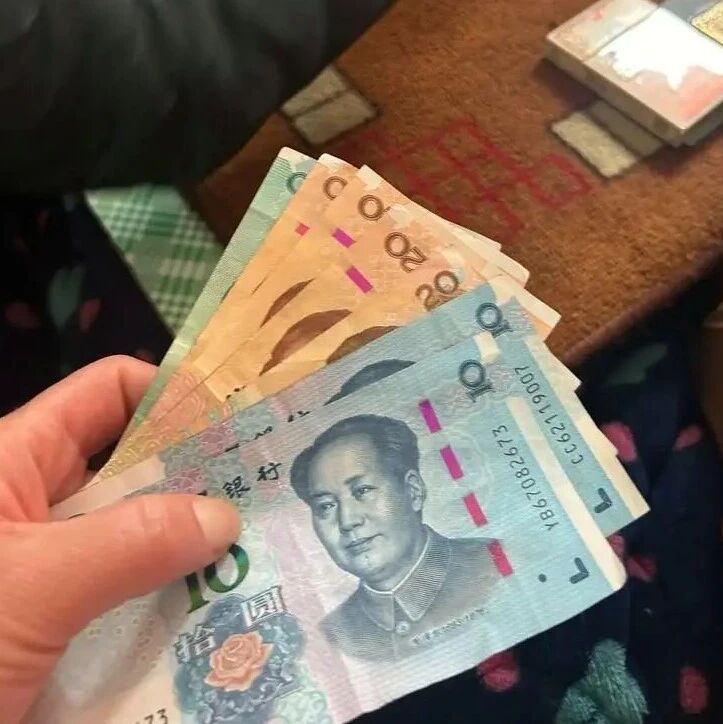
中国人民银行、国家发展改革委、金融监管总局发布《人民币现金收付及服务规定》
Xin Lang Cai Jing· 2025-12-19 09:29
Core Viewpoint - The People's Bank of China, in collaboration with the National Development and Reform Commission and the Financial Regulatory Bureau, has established the "Regulations on Cash Payment and Services" to uphold the legal status of the Renminbi, prevent and rectify the refusal to accept cash, and meet the diverse payment service needs of the public [1][15]. Group 1: Regulations Overview - The regulations aim to maintain the legal status of the Renminbi and prevent the refusal of cash payments, which includes both paper currency and coins [2][16]. - The regulations apply to administrative agencies, public service units, and business entities, as well as the cash payment behaviors of the public and banking institutions [2][16]. - Payment units and business entities must respect the public's right to choose legal payment methods and cannot refuse cash unless legally mandated [3][16]. Group 2: Cash Payment Support - Payment units and business entities must support cash payments in various scenarios, including manual collection, face-to-face services, and online transactions that require in-person payment [4][17][18]. - Clear signage regarding payment methods and cash collection procedures must be displayed prominently [5][18]. - Self-service models must accommodate cash payments in special circumstances, such as network failures or equipment malfunctions [5][18]. Group 3: Banking Institution Responsibilities - Banking institutions must enhance cash service quality by providing cash deposit and withdrawal services, ensuring adequate cash availability, and optimizing the layout of cash self-service machines [12][20]. - Institutions should facilitate the exchange of large amounts of coins or small denominations and provide services tailored to the needs of elderly, disabled, and foreign individuals [20][22]. - A cash service emergency mechanism must be established to address sudden cash demands and maintain service order [20][22]. Group 4: Enforcement and Compliance - The relevant authorities must supervise compliance with cash acceptance regulations and can impose penalties for violations [24][26]. - The public can report instances of cash refusal or discriminatory practices, and the People's Bank of China will handle these complaints [24][26]. - The regulations will take effect on February 1, 2026, and will be interpreted by the People's Bank of China, the National Development and Reform Commission, and the Financial Regulatory Bureau [26][25].