
生态保护与产业发展

Search documents
种源当“金矿” 牦牛成“财神”
Xin Lang Cai Jing· 2026-01-08 19:02
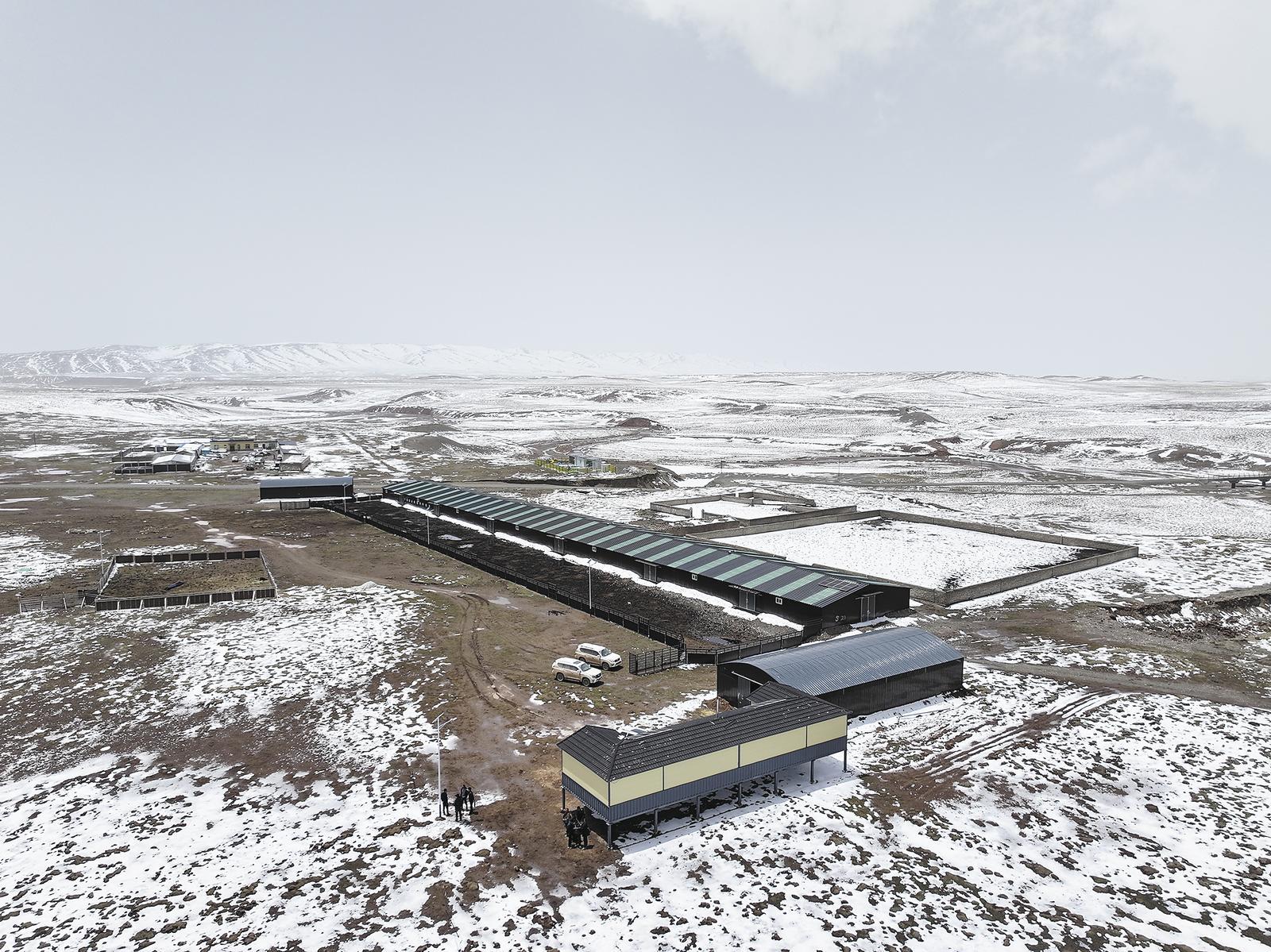
Core Viewpoint - The article highlights the significant advancements in yak breeding and the economic benefits for local herders in Qumalai County, Qinghai Province, showcasing the transformation of yak farming into a profitable industry through standardized breeding and value-added processing. Group 1: Economic Impact - A record transaction of 6.81 million yuan for 347 high-quality yaks was made, marking a significant achievement in the region's yak breeding industry [5] - By the end of 2025, 19 standardized breeding bases were established, with over 85% coverage of quality yaks, leading to an average annual income increase of over 2,000 yuan for 11,000 households [5][7] - The annual supply of quality yaks reached over 4,000 heads, with some premium yaks selling for over 100,000 yuan, effectively turning genetic resources into valuable assets [9] Group 2: Breeding and Genetic Improvement - The establishment of a "wild blood yak breeding system" has resulted in the cultivation of a core group of 1,000 F1 wild blood yaks, enhancing the genetic quality of the herd [7] - The yak breeding strategy includes a "one area leads, multiple belts radiate" approach, creating integrated breeding bases that improve genetic resources [7] - The survival rate of calves has improved from 65% to 90% due to the implementation of artificial insemination and the establishment of a frozen semen bank [7] Group 3: Infrastructure and Support - The "Five-in-One" livestock infrastructure project has provided standardized shelters and feed storage for 54 family ranches, improving the living conditions for yaks and reducing winter losses [11] - The county has formed a joint forage company to address the shortage of feed at high altitudes, generating 300,000 yuan in revenue in 2025 [10] - The local government supports herders by offering free veterinary services and purchasing calves at 10,000 yuan each, significantly increasing their income [8] Group 4: Environmental and Social Aspects - The development of the yak industry is aligned with ecological protection, demonstrating that environmental sustainability and economic growth can coexist [11][12] - The local government emphasizes the importance of improving the livelihoods of herders while maintaining the ecological integrity of the region, often referred to as the "Chinese Water Tower" [5][11]

(走进中国乡村)宁夏泾源:六盘山下“绿”变“富” 村民吃上生态饭
Xin Lang Cai Jing· 2026-01-03 04:51
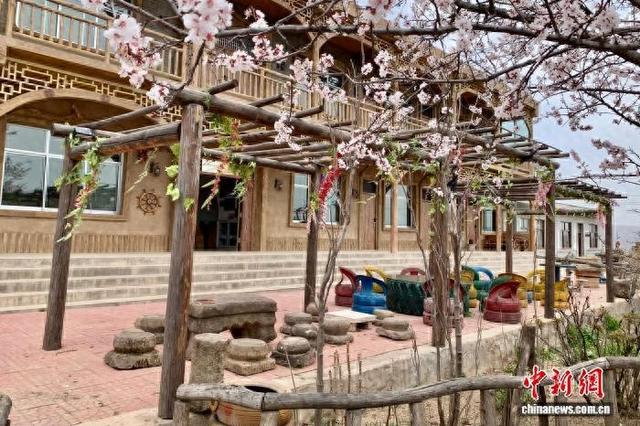
Core Viewpoint - The transformation of Yejia Village in Ningxia's Jingyuan County from a "hollow village" to a thriving tourist destination showcases the successful integration of ecological protection and economic development, leading to increased income for local farmers through tourism and agricultural products [8]. Group 1: Village Development - Yejia Village has upgraded its homestays and facilities to attract more tourists, with a monthly income of nearly 30,000 RMB during peak seasons from accommodation and dining [2]. - The village's tourism development was initiated after the construction of a road in the early 2000s, which connected it to external markets and facilitated the establishment of agritourism [5]. - Currently, there are 135 agritourism businesses in Yejia Village, capable of accommodating 3,000 guests and serving 4,000 meals daily, making it the largest homestay village in Guyuan City [7]. Group 2: Ecological and Economic Integration - Jingyuan County has adopted a development strategy that emphasizes ecological foundations, cultural elements, and tourism integration, resulting in a year-round tourism product system [7]. - The county has achieved a forest coverage rate of 48.65% and over 93% of days with good air quality, demonstrating a commitment to ecological preservation [8]. - The "Green and Rich Win-Win" poverty alleviation case from Jingyuan County has been recognized as a global best practice, highlighting the successful collaboration between government, enterprises, and farmers [8]. Group 3: Economic Impact - The local brands "Jingyuan Yellow Cattle" and "Jingyuan Honey" have values of 3.519 billion RMB and 144 million RMB, respectively, indicating the significant economic impact of local agricultural products [8]. - The tourism industry has become the leading sector for rural revitalization in Jingyuan County, benefiting around 40,000 farmers through various income-generating activities [8].
大河壮阔 亮丽北疆丨黄河岸边的幸福经济学
Nei Meng Gu Ri Bao· 2025-08-23 15:03
Core Insights - The transformation of Huajiangyingzi Village into a cultural tourism hub, known as "The First Village of the Yellow River," showcases the integration of local culture and tourism development [2][4] - The project has revitalized the local economy, providing employment opportunities and increasing daily incomes for residents [3][5] - Significant investments have been made in cultural and tourism infrastructure, with a total of 1.45 billion yuan allocated to support the development of Yellow River tourism projects [4] Group 1: Village Transformation - Huajiangyingzi Village was previously an abandoned village but has been transformed into a vibrant cultural tourism destination over two years [2] - The development concept focuses on integrating art and the Yellow River, with various attractions including a cultural exhibition hall and artisan workshops [2][3] - The village now features a commercial street with local artisans and food vendors, enhancing the visitor experience [2][3] Group 2: Economic Impact - The local economy has benefited significantly, with residents like Wang Yuzhi earning over 1,000 yuan daily from their businesses, contributing to job creation for nearly 30 families [3] - The Yellow River National Cultural Park, with an investment of 127 million yuan, has become a cultural landmark, attracting 130,000 visitors in the first half of the year and generating over 1 million yuan in revenue [3][4] - The integration of agriculture and tourism has created a direct supply chain for local produce, enhancing the overall visitor experience [2] Group 3: Future Prospects - The local government aims to further enhance the tourism experience by investing additional funds for upgrades and improvements [4] - The anticipated peak tourist season in March 2025 is expected to draw 500,000 visitors, generating approximately 11 million yuan in tourism revenue [4] - The model established in Baotou serves as a blueprint for cultural and ecological integration, promoting sustainable development along the Yellow River [4][5]