绿富共赢

Search documents
福州:敖江清流滋养“绿富共赢”新图景
Xin Hua Wang· 2026-01-15 05:04
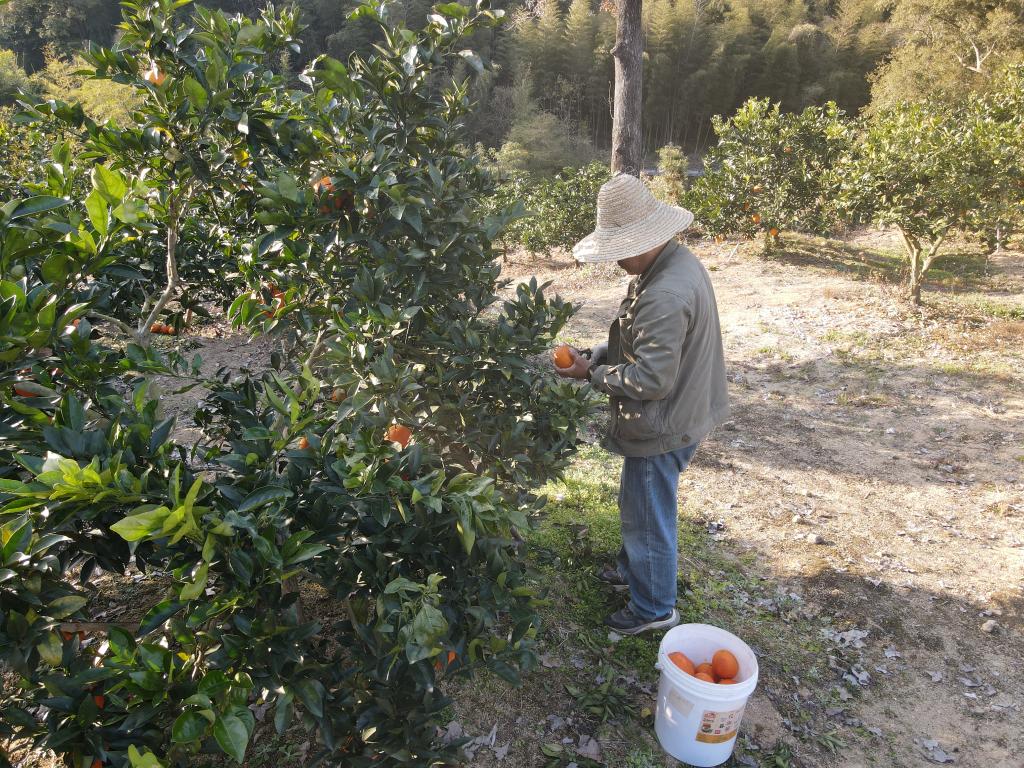
Core Viewpoint - The article highlights the transformation of the Aojiang River basin in Fuzhou, where ecological protection and economic development are harmoniously integrated, showcasing a model of "green and prosperous win-win" development [1][2]. Group 1: Ecological Protection Measures - The Aojiang River is crucial for the water supply of Fuzhou and the ecological safety of millions, prompting the Fujian provincial government to implement protective measures since 2000, including the closure of polluting industries and the construction of wastewater treatment facilities [1]. - The water quality in the Aojiang River has improved significantly, with stable water quality reaching Class III or above, and Class II water quality accounting for 64.3% [1]. Group 2: Economic Transformation in Villages - In the Jinan District's Rixi Village, the prohibition of pig farming led to a shift towards orange cultivation, specifically the "Navel Orange 52," which has become a profitable crop for the villagers [2][4]. - Rixi Village has over 1,000 acres of navel oranges, producing 1,200 tons annually with a revenue exceeding 6 million yuan, demonstrating the economic benefits of ecological conservation [4]. Group 3: Agricultural Innovations and Community Support - The establishment of a cooperative in Rixi Village has improved the efficiency of orange cultivation and sales, moving away from traditional low-price roadside selling [4]. - In Hoko Township, the ban on livestock farming has led to a boom in mushroom cultivation, with over 100 villagers engaged in this industry, significantly increasing their incomes [6]. Group 4: Ecotourism and Biodiversity - In Dongdai Town's Shantang Village, ecological restoration has fostered a "migratory bird economy," attracting over 250 species of wild birds and transforming the village into a birdwatching destination [8]. - The village plans to generate 443,600 yuan in collective income by 2025 through ecotourism initiatives, showcasing the economic potential of biodiversity [8].

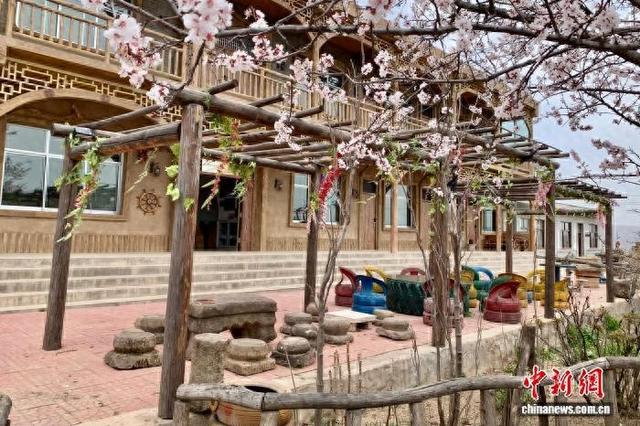
(走进中国乡村)宁夏泾源:六盘山下“绿”变“富” 村民吃上生态饭
Xin Lang Cai Jing· 2026-01-03 04:51
Core Viewpoint - The transformation of Yejia Village in Ningxia's Jingyuan County from a "hollow village" to a thriving tourist destination showcases the successful integration of ecological protection and economic development, leading to increased income for local farmers through tourism and agricultural products [8]. Group 1: Village Development - Yejia Village has upgraded its homestays and facilities to attract more tourists, with a monthly income of nearly 30,000 RMB during peak seasons from accommodation and dining [2]. - The village's tourism development was initiated after the construction of a road in the early 2000s, which connected it to external markets and facilitated the establishment of agritourism [5]. - Currently, there are 135 agritourism businesses in Yejia Village, capable of accommodating 3,000 guests and serving 4,000 meals daily, making it the largest homestay village in Guyuan City [7]. Group 2: Ecological and Economic Integration - Jingyuan County has adopted a development strategy that emphasizes ecological foundations, cultural elements, and tourism integration, resulting in a year-round tourism product system [7]. - The county has achieved a forest coverage rate of 48.65% and over 93% of days with good air quality, demonstrating a commitment to ecological preservation [8]. - The "Green and Rich Win-Win" poverty alleviation case from Jingyuan County has been recognized as a global best practice, highlighting the successful collaboration between government, enterprises, and farmers [8]. Group 3: Economic Impact - The local brands "Jingyuan Yellow Cattle" and "Jingyuan Honey" have values of 3.519 billion RMB and 144 million RMB, respectively, indicating the significant economic impact of local agricultural products [8]. - The tourism industry has become the leading sector for rural revitalization in Jingyuan County, benefiting around 40,000 farmers through various income-generating activities [8].