
生态保护与经济发展平衡

Search documents
从“草畜困局”到“生态富矿”
Xin Lang Cai Jing· 2026-02-24 18:20
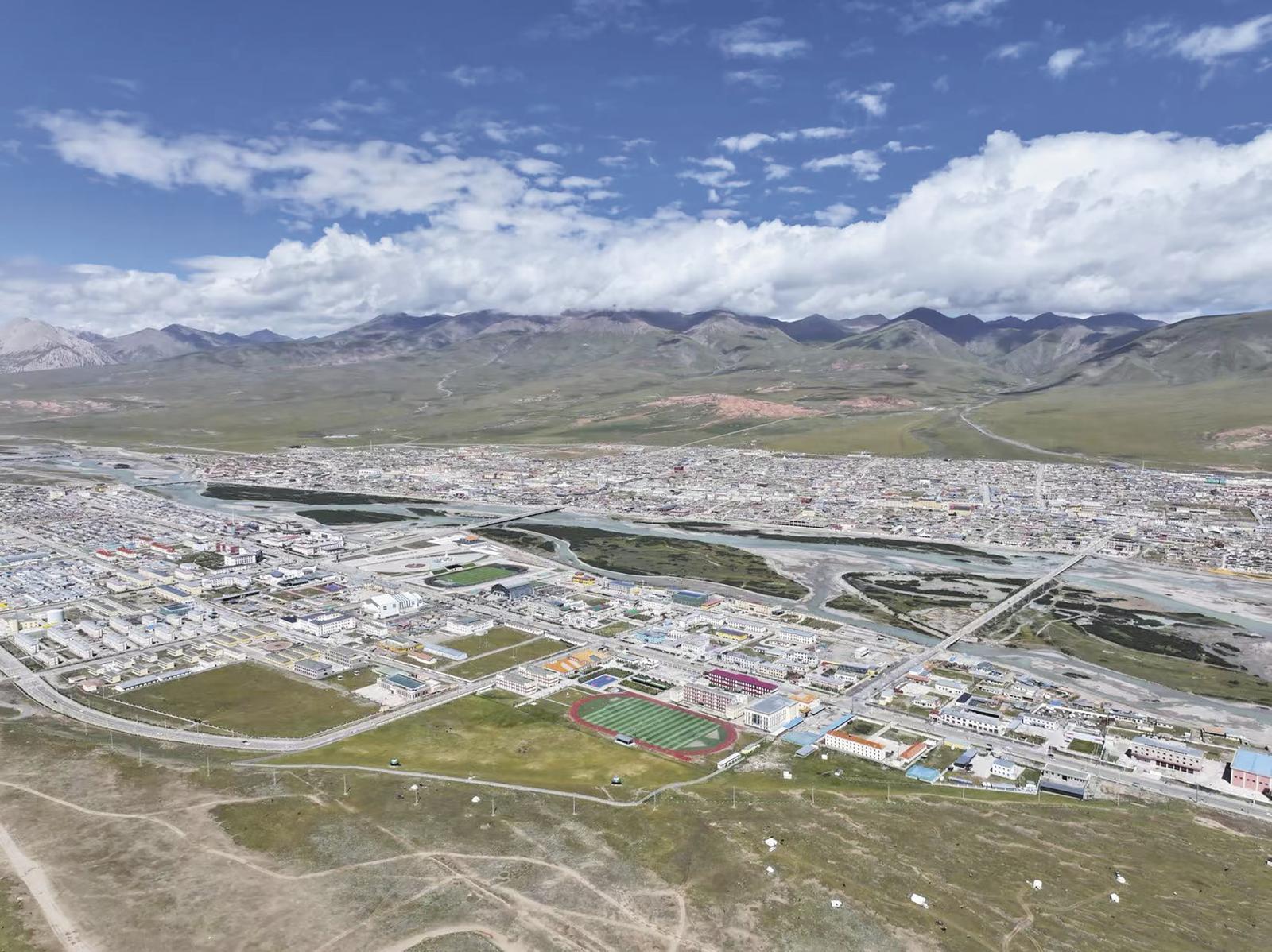
治多县城航拍。 本报记者 马振东 肉旦尖措 鲁 东 通讯员 朱金军 制度锁绿让草原 "喘口气" 办公室里,治多县农牧和科技局局长扎西江措俯身盯着墙上的草场分布图,手指反复划过"禁牧""修复"的色块:"全县草场627.93万公顷,可利用的就394.73 万公顷,禁牧占了204.07万公顷,留给发展的空间真不大。" 治多草甸上,牦牛群如移动的风景。本报记者 马振东 肉旦尖措 摄 治多的困境,是三江源纯畜牧业县的共性难题:海拔高、气候恶劣,产业选择单一,生态保护与经济发展的矛盾日益突出。"治多产业没得选,生态畜牧业 和牦牛产业是唯一的路,但传统放牧只会让草场'透支',最后'坐吃山空',区域可持续发展根本无从谈起。"扎西江措的话里,满是破局的迫切与坚定。 破解困局,制度先行。治多县将生态文明建设作为"最大政治、最大民生、最大潜力",出台草畜平衡、禁牧补贴、生态管护等一系列制度,构建起"政府主 导、牧民主体、社会参与"的生态保护体系。核心是算好"生态账"与"经济账"的平衡:通过禁牧休牧、退牧还草让草场"休养生息",通过合理规划放牧规 模、培育新型经营主体让牧民"有钱赚",而这正是县域经济可持续发展的核心要义。 "发展合 ...

进口危机,96%钾肥依赖进口,巴西豪赌25亿钾矿,亚马逊能否两全
Sou Hu Cai Jing· 2025-11-20 08:37
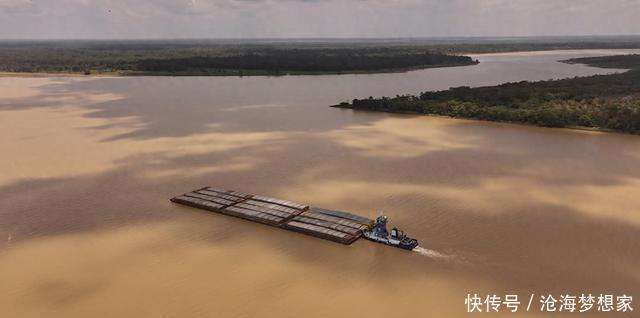
Core Insights - Brazil is investing $2.5 billion to develop potassium mines in the Amazon rainforest to enhance its position in the global food supply chain [1][6] - The country currently relies on imports for 96% of its potassium fertilizer, making its agricultural security vulnerable, especially after disruptions caused by the Russia-Ukraine conflict [3][5] - The potassium mine is expected to produce 2.4 million tons of potassium fertilizer annually by 2030, with 91% of its future capacity already pre-sold [16] Investment and Economic Implications - The investment aims to reduce Brazil's dependency on imported potassium fertilizers, which have seen rising prices, from $319 per ton to $359 per ton by Q1 2025 [5] - The development of the potassium mine is seen as a strategic move to enhance Brazil's agricultural competitiveness and reduce vulnerability to international market fluctuations [16] Environmental Concerns - Environmental organizations express concerns about potential illegal logging and mining activities resulting from the mining operations in the Amazon [8][9] - The ecological impact of mining in the Amazon is significant, as the region is crucial for global climate regulation and biodiversity [9] Community and Social Impact - The Brazilian potassium company has coordinated with local indigenous communities to ensure mining activities do not infringe on their lands, gaining support from 35 indigenous villages [11] - The project is expected to create thousands of jobs and stimulate economic growth in the region, potentially doubling the population of the town of Otazias within 30 years [14] Technological and Sustainable Practices - Brazil is adopting innovative mining techniques to minimize environmental damage, including underground mining and a conveyor belt system to reduce carbon emissions [13] - The project aims to balance economic development with ecological preservation, providing a model for other resource-rich countries [18]
“水患之河”到“幸福之河”的蝶变
Jing Ji Ri Bao· 2025-04-21 22:10
Core Viewpoint - The comprehensive governance of the Mulan River in Putian City, Fujian Province, has transformed it from a flood-prone area into a symbol of ecological and urban development, showcasing significant improvements in environmental quality and community well-being through various initiatives and projects [1][4][10]. Group 1: Governance and Environmental Improvement - The Mulan River has undergone systematic governance over the past 25 years, focusing on flood control, ecological restoration, and urban development, resulting in a significant transformation of the river basin [1][4]. - The river's flood control standards have been enhanced from less than a 2-year return period to a 50-year return period, effectively mitigating flood risks [4][9]. - The ecological environment has improved, with water quality consistently rated above Class III, and biodiversity, including populations of egrets, has been restored [4][5][9]. Group 2: Economic and Social Development - The governance of the Mulan River has led to the creation of recreational spaces, cultural landmarks, and residential areas, enhancing the quality of life for local residents [10][11]. - The integration of ecological benefits into economic development has resulted in a significant increase in the region's GDP, from 16.45 billion yuan in 1999 to 344.27 billion yuan in 2024 [12]. - Innovative projects, such as the establishment of an e-commerce live streaming base, have leveraged the river's ecological advantages to promote local products and traditional crafts [11][12]. Group 3: Future Challenges and Strategies - The ongoing challenge for Putian City is to balance ecological protection with sustainable economic development, ensuring that environmental governance continues to support growth [12][13]. - The city has implemented a digital governance model to enhance data sharing and coordination among departments, aiming for a more integrated approach to river basin management [7][8].