生态灾难

Search documents
华盛顿市水源遭污染求助白宫,特朗普批准联邦支持
Xin Lang Cai Jing· 2026-02-23 03:11
Core Points - The primary drinking water source in Washington, D.C. has been contaminated due to a sewage leak, prompting federal intervention to assist in cleanup efforts [1][3] - The sewage leak, caused by a broken pipeline in Maryland, resulted in over 900 million liters of sewage flowing into the Potomac River, which is a major drinking water source for the region [1][3] - Local authorities have declared a state of emergency, and the federal government has been criticized for its delayed response to the incident [3] Summary by Sections - **Contamination Incident** - A sewage pipeline, built in the 1960s, broke on January 19, leading to significant contamination of the Potomac River [1] - The incident is considered one of the most severe sewage leaks in U.S. history, with researchers finding high levels of fecal-related bacteria and pathogens in the river [3] - **Government Response** - President Trump approved federal resources to assist Washington, D.C. in addressing the sewage leak [1] - Trump criticized local Maryland officials for their handling of the situation, while Maryland's governor pointed out that the pipeline is federally managed [3] - **Environmental Impact** - The sewage leak has raised concerns among environmentalists regarding its impact on the ecosystem, particularly with the potential for dormant bacteria to become active due to rising temperatures [3] - Local water authorities and the Environmental Protection Agency are working on repairing the leak and monitoring its effects on the river [3]

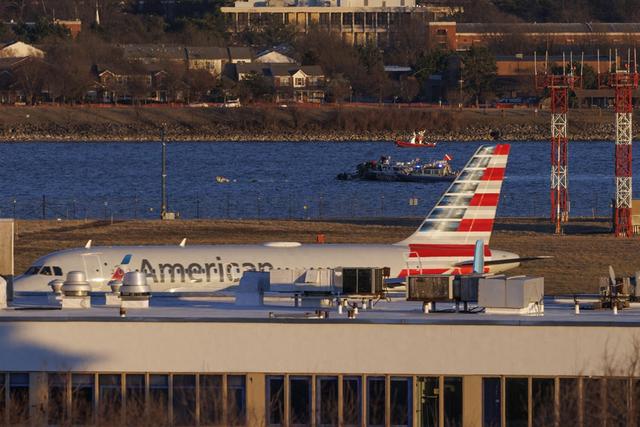
美国华盛顿市水源遭污染求助白宫 特朗普批准联邦支持
Yang Shi Xin Wen· 2026-02-23 03:07
Group 1 - The primary drinking water source in Washington, D.C. has been contaminated due to a sewage leak from a broken pipeline in Maryland, leading to over 900 million liters of sewage entering the Potomac River [3] - President Trump has approved federal resources to assist Washington, D.C. in addressing the sewage leak, following a request from Mayor Muriel Bowser [3] - The sewage leak has been described as one of the most severe in U.S. history, with environmental experts expressing concerns about the impact on the ecosystem and the potential release of dormant bacteria due to rising temperatures [4] Group 2 - Local water companies and the Environmental Protection Agency are actively working to repair the leaking pipeline and monitor its effects on the river, with officials stating that the drinking water remains safe [3] - Environmentalists are investigating the ecological impact of the sewage leak, with findings indicating a significant presence of fecal-related bacteria and pathogens in the river [4] - The complete repair of the pipeline may take several months, although the sewage leak has been largely controlled [3]
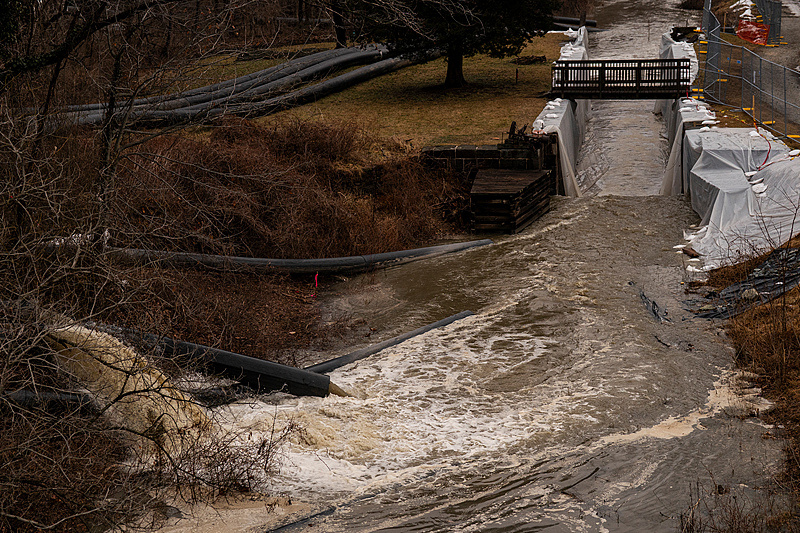
污水管道破裂致“严重泄漏” 美国联邦政府与州又扯皮
Xin Lang Cai Jing· 2026-02-17 08:04
Core Viewpoint - The article discusses the controversy surrounding a sewage pipeline rupture in Maryland that has led to significant pollution in the Potomac River, with President Trump criticizing state officials and the federal government intervening in the situation [1][2]. Group 1: Incident Overview - A sewage pipeline, approximately 183 centimeters in diameter, ruptured in Montgomery County, Maryland, on January 19, resulting in over 900 million liters of sewage flowing into the Potomac River, marking one of the worst sewage leaks in U.S. history [1]. - The Potomac River is a primary drinking water source for the Washington D.C. area, and the University of Maryland has reported the presence of fecal-related bacteria and pathogens in the river [1]. Group 2: Government Response - President Trump has directed the Federal Emergency Management Agency (FEMA) to provide necessary management and coordination to protect the water supply in the capital region [1]. - Maryland Governor Wes Moore's spokesperson criticized the federal government for not taking responsibility, stating that the pipeline is managed by federal agencies and that the Environmental Protection Agency (EPA) did not attend a state hearing on cleanup efforts [2]. Group 3: Infrastructure and Repair Challenges - The involved sewage pipeline was built in the 1960s and is significantly aged, with complex blockages making emergency repairs expected to take 4 to 6 weeks [3]. - Despite Trump's announcement of federal intervention, FEMA has been affected by staff reductions due to government downsizing policies, which may hinder its operational capacity [3]. Group 4: Political Context - The article highlights ongoing political tensions, with Trump attempting to exert control over Democratic-led regions and engaging in disputes with Governor Moore, who is seen as a potential Democratic presidential candidate for 2028 [3][4].
前沿观察 | 烂摊子没人要?美国油企巨头拒绝为委内瑞拉的生态灾难“背锅”
Sou Hu Cai Jing· 2026-02-14 13:44
Core Viewpoint - The article highlights the severe environmental disaster in Venezuela caused by decades of oil spills, leading to significant ecological damage and health issues for local communities, while questioning the commitment of U.S. companies to address the cleanup amidst ongoing economic and political turmoil [6][8][13]. Group 1: Environmental Impact - Decades of oil spills have turned Lake Maracaibo into a toxic pool, with the Orinoco River severely polluted, making this crisis one of the worst environmental disasters globally [6][8]. - Satellite images from NASA show extensive oil slicks on Lake Maracaibo, which is at the center of Venezuela's oil industry, indicating a long-term ecological disaster [10][11]. - The pollution has led to a significant decline in fish and shrimp catches, with local fishermen experiencing health issues related to hydrocarbon exposure [11][13]. Group 2: Economic and Operational Challenges - The economic collapse and strict sanctions have forced PDVSA (Venezuela's state oil company) to abandon maintenance, resulting in increased leaks and environmental degradation [6][9]. - The Venezuelan oil industry is in a vicious cycle of decline, with reduced capital expenditure on maintenance leading to further production drops and operational risks [9][12]. - The cost of cleaning up the environmental damage is prohibitively high, with estimates for Lake Maracaibo's restoration alone reaching $2.5 billion, while rebuilding the oil infrastructure could require $100 billion [13]. Group 3: Industry Response and Future Outlook - U.S. companies are hesitant to invest in the cleanup due to the high costs and lack of profitability, raising concerns about who will bear the financial burden of the ecological disaster [6][13]. - There is skepticism regarding whether the U.S. administration's push for investment in Venezuela's oil sector will include necessary environmental remediation efforts [8][13]. - The complex extraction methods used in the Orinoco heavy oil belt increase the risk of spills and environmental damage, exacerbating the ongoing crisis [12].

日本“幽灵舰队”正在毒害太平洋环焦,未来5年或将迎来生态灾难?
Hu Xiu· 2025-10-18 07:01
Core Viewpoint - Japan's "ghost fleet" is leaking approximately 4,000 liters of fuel daily into the Pacific Ocean, revealing an 80-year-old crisis that could lead to a large-scale ecological disaster within the next five years if not addressed promptly [1] Group 1 - The daily fuel leakage from the ghost fleet amounts to around 4,000 liters [1] - The crisis has been ongoing for 80 years, indicating a long-term environmental issue [1] - There is a potential risk that leaked oil may have already entered the food chain, affecting human health [1]