生活成本问题

Search documents
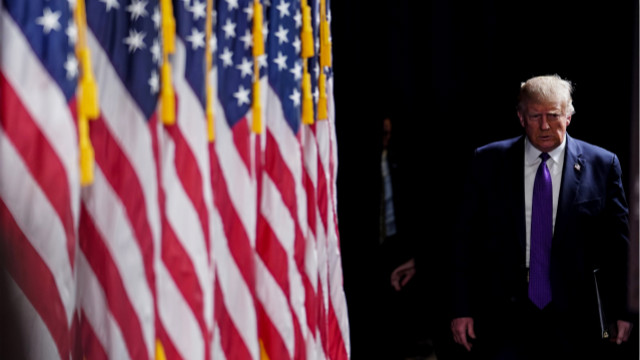
“我们没有从总统那里听到真话”
Xin Lang Cai Jing· 2026-02-25 18:57
Group 1 - The article highlights a stark divide between Democrats and Republicans during Trump's speech, with Democrats remaining silent or protesting while Republicans showed support [1][2] - Texas Democratic Representative Green protested Trump's remarks by displaying a banner, indicating the contentious atmosphere surrounding the speech [1] - Virginia Governor Spanberger criticized Trump for allegedly diverting attention from pressing economic issues, claiming he lied about the state of the economy [2] Group 2 - Hundreds gathered in Washington D.C. to protest against Trump's policies, emphasizing demands for healthcare and opposing funding for ICE [2] - The protests included visual displays of victims affected by ICE actions, showcasing the emotional impact of immigration policies [2] - Spanberger's comments reflect a broader concern among Democrats regarding Trump's handling of economic challenges and his leadership style [2]


【记者手记】电费大涨,听美国人讲述如何过冬
Huan Qiu Shi Bao· 2026-01-20 23:01
Core Insights - Rising electricity costs are becoming a significant concern for American households, with an expected average increase of 6.7% in 2025, translating to an additional $116 in expenses per household compared to the previous year [1] Group 1: Impact on Households - In Washington D.C., residents are facing the highest increase in electricity costs, with a 23% rise, leading to bills that have surged from approximately $180 to nearly $230 for similar usage [1] - Households are adopting measures to reduce electricity consumption, such as limiting heating usage, which is affecting their quality of life and prompting a more cautious approach to spending [1] Group 2: Broader Economic Context - The increase in electricity costs is not an isolated issue but is part of a broader trend where over one-third of Americans report electricity bills as a major source of stress in their lives [2] - Factors contributing to rising energy prices include the expansion of data centers, upgrades to transmission lines, the impact of the Russia-Ukraine conflict, and extreme weather conditions exacerbated by climate change [2] - The issue of living costs, particularly electricity prices, is expected to be a focal point for voters in the upcoming midterm elections in the U.S. [2]
特朗普重返白宫一周年:权力膨胀,美式“震慑”重塑全球
Jin Shi Shu Ju· 2026-01-19 14:36
Group 1 - The article discusses President Trump's actions and policies as he approaches the one-year anniversary of his return to the White House, highlighting his expansion of presidential power and the reshaping of U.S. relations globally [1] - Trump's recent aggressive actions include a crackdown on illegal immigration in Minnesota, military intervention in Venezuela, and threats against Iran, indicating a shift towards more unilateral decision-making [1][2] - Despite facing declining popularity, with a 41% approval rating and 58% disapproval among Americans, Trump maintains strong support among his core base [2] Group 2 - The article notes that Trump has significantly reduced the size of federal civilian personnel, dismantled government agencies, and initiated a trade war through tariffs, reflecting a broader agenda to reshape federal operations and policies [4] - Trump's claims of having ended multiple wars are questioned, as he has made little progress on peace agreements, particularly regarding the Russia-Ukraine conflict [5] - Concerns are raised about Trump's ability to connect with voters regarding economic issues, particularly high living costs, which may lead some Republican lawmakers to distance themselves from him ahead of the November elections [5][6]
共和党为何集体失利?特朗普:因为我没在选票上
第一财经· 2025-11-06 09:45
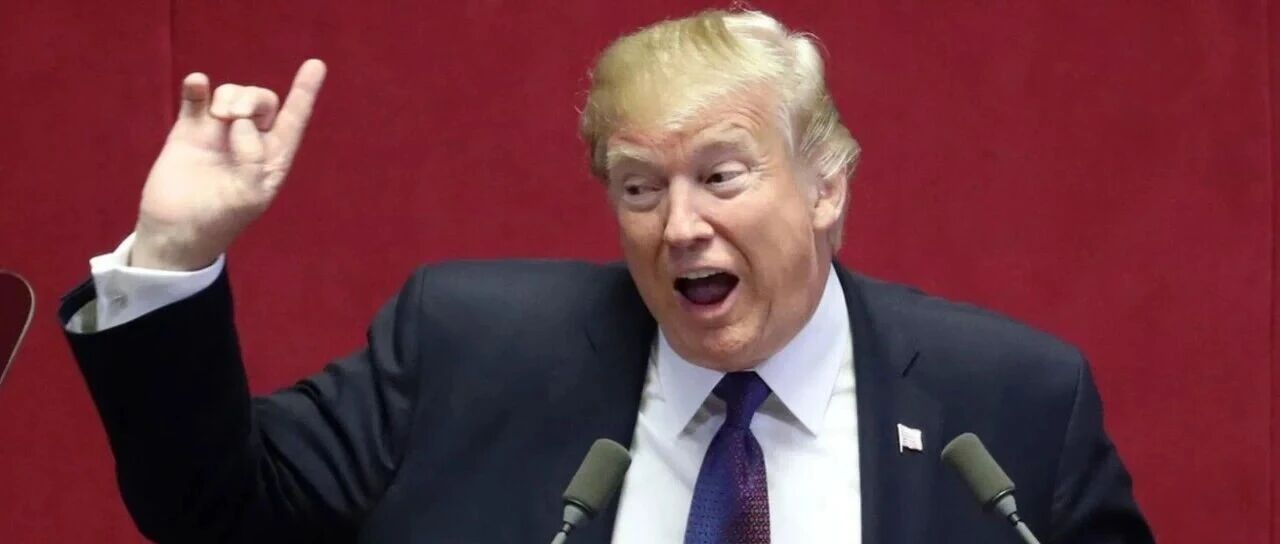
Core Viewpoint - The article discusses the impact of economic concerns on the Republican Party's political prospects, particularly in light of recent local election losses and the ongoing government shutdown [3][4][5]. Economic Indicators - Trump highlighted three positive economic indicators: the stock market reaching new highs, steady wage growth, and increased job availability for American workers, claiming that nearly 2 million jobs have been added since he took office [8]. - He asserted that any economic downturn is due to a "transition period" required for his economic policies to take effect, and mentioned that the U.S. has attracted $18 trillion in investments since his return to the presidency [8]. Political Strategy - Following the Republican losses in key states, Trump acknowledged that the responsibility for the government shutdown is largely attributed to the Republican Party and emphasized the need to reopen the government to avoid further political backlash [8][9]. - The focus of Trump's political messaging is expected to shift towards addressing cost of living issues, as highlighted by the recent local election outcomes where candidates who prioritized living costs performed well [11][12].
共和党为何在超级星期二集体失利?特朗普:因为我没在选票上
Di Yi Cai Jing· 2025-11-06 07:48
Core Points - The core issue identified is communication, particularly regarding economic concerns affecting the Republican Party's political prospects [1][4] Economic Indicators - Trump highlighted three positive economic indicators: record-high stock market, steady wage growth, and increased job availability for American workers [3] - He claimed that nearly 2 million more American workers are employed compared to when he took office [3] - Trump stated that the U.S. has attracted $18 trillion in investments since his return to the presidency [3] Political Implications - Trump acknowledged that the responsibility for the government shutdown is largely attributed to the Republican Party, emphasizing the need to reopen the government to avoid further political backlash [4] - He indicated that the government shutdown has a significant negative impact on the Republican Party according to polling data [4] Shift in Campaign Focus - Following the Democratic victories in local elections, the Trump administration plans to shift its political messaging to focus on cost of living issues [5] - The political director of the Republican National Committee noted that the focus on living costs was crucial for the success of winning candidates [6] - The failure of Republican candidates in New Jersey and Virginia was attributed to their lack of effective communication on affordability issues [6]