田园经济

Search documents
八大田园经济崛起
投中网· 2025-10-29 06:30
Core Insights - The article discusses the rise of the "rural economy" driven by urban consumers seeking nature and unique experiences, highlighting various innovative business models in rural areas [4][34]. Group 1: Rural Tourism and Experiences - In the first three quarters of 2024, over 4.35 trillion yuan was spent on tourism in China, with rural tourism seeing significant growth, receiving nearly 800 million visitors in the first quarter alone [4]. - The success of "rice field coffee" in the Yangtze River Delta illustrates a shift towards immersive consumption experiences, where urban consumers are willing to pay a premium for unique rural settings [7][8]. - The emergence of rural pet theme parks addresses the growing pet ownership market, providing urban pet owners with the space and services they need while revitalizing rural economies [10][11]. Group 2: Educational and Cultural Experiences - The rise of rural astronomy education programs reflects a shift in consumer demand for deeper, more meaningful experiences, moving beyond traditional sightseeing [13][14]. - The concept of "youth retirement homes" in rural areas offers urban youth a space for relaxation and community, transforming idle rural properties into vibrant living spaces [16][18]. Group 3: Innovative Agricultural Models - The "adopt-a-farm" model allows urban consumers to engage directly with agriculture, promoting a connection to food sources and enhancing the agricultural economy [24][25]. - Creative repurposing of idle rural buildings into cultural spaces not only preserves local heritage but also attracts new economic activities and tourism [26][28]. Group 4: Market Evolution and Consumer Engagement - The transformation of traditional rural markets into integrated online and offline platforms enhances consumer engagement and drives rural brand development [30][32]. - The article emphasizes that rural areas are no longer passive recipients of urban influence but are becoming active contributors to economic and cultural exchanges with cities [34][35].


扎堆“有风的地方”,这八大田园经济崛起
3 6 Ke· 2025-10-28 05:14
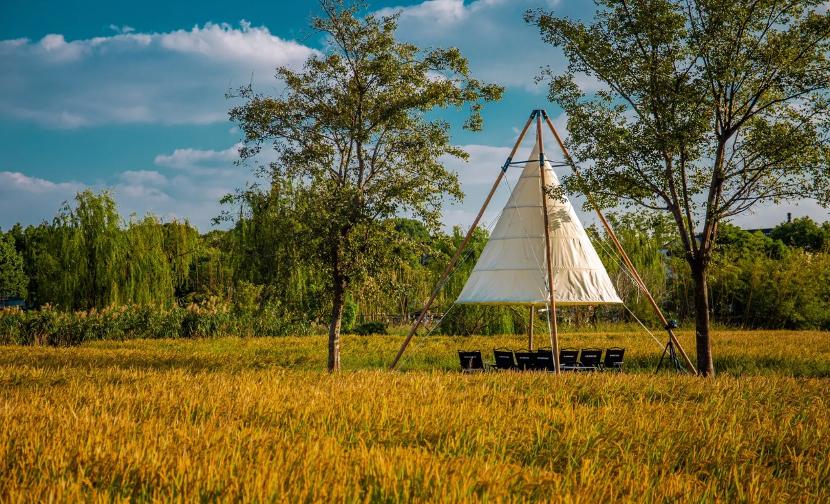
Group 1: Rural Economy Trends - The "rural economy" is emerging as a new consumption force driven by urban youth's desire for nature and freedom [1] - In the first three quarters of 2024, over 4.35 trillion yuan was spent on tourism, with rural tourism seeing significant growth, receiving nearly 800 million visitors in the first quarter alone [1] - The rise in rural tourism reflects a longing for rural experiences and provides new development ideas for rural areas [1] Group 2: Innovative Consumption Models - "Rice field coffee" has gained popularity in the Yangtze River Delta, with prices 30-40 yuan per cup, attracting urban consumers despite being more expensive than city chains [2][4] - The appeal of rice field coffee lies in its immersive consumption experience, merging urban coffee culture with rural landscapes [2] - This new model of rural economy is changing traditional perceptions of urban-rural relationships, moving beyond superficial interactions to deeper engagements [4] Group 3: Pet-Friendly Rural Spaces - The pet consumption market in China has surpassed 300 billion yuan in 2024, leading to the emergence of rural pet theme parks to address urban space constraints [6] - Rural pet parks utilize idle land to create "pet-friendly" environments, fulfilling urban pet owners' needs for open spaces [7] - The rise of pet parks is also driving upgrades in surrounding businesses, such as pet-friendly accommodations and local shops offering pet products [8] Group 4: Astronomy Education in Rural Areas - Rural areas are being rediscovered for their clear night skies, leading to the development of astronomy education programs that offer immersive experiences [9] - Successful models have been established in various regions, transforming geographical disadvantages into unique advantages for stargazing [9] - This trend reflects a shift in family education towards deeper, exploratory experiences rather than superficial entertainment [12] Group 5: Youth Retreats in Rural Areas - "Youth retirement homes" are emerging as a response to urban stress, offering a transitional space for young people seeking relief from city life [13] - These facilities provide not only accommodation but also activities like farming and yoga, redefining the concept of living [15] - The model opens new pathways for rural development by repurposing idle farmhouses into therapeutic spaces [15] Group 6: Rural Homestays - Rural homestays are evolving from mere lodging to experiential hubs that connect urban consumers with local resources [16] - Successful homestays leverage local architectural styles and cultural activities to create unique experiences, enhancing their economic value [18] - The economic essence of homestays lies in offering customized lifestyle solutions, driving local product sales and creating jobs [19] Group 7: Agricultural Adoption Programs - "Adoption agriculture" allows urban consumers to connect with nature by pre-paying for the right to harvest crops from designated plots [20] - This model promotes healthy eating and provides a hands-on experience of farming, benefiting both consumers and producers [22] - The approach shifts rural industries from merely selling products to offering services and experiences, fostering long-term interactions [23] Group 8: Creative Renovation of Idle Buildings - The transformation of idle rural buildings into creative spaces helps preserve cultural heritage while activating local economies [24] - Renovated spaces become cultural landmarks, attracting new creative professionals and fostering a vibrant community [26] - This process creates a sustainable economic ecosystem that balances cultural preservation with industrial revitalization [26] Group 9: Online and Offline Market Integration - Rural markets are evolving into integrated online and offline platforms, enhancing the shopping experience beyond simple transactions [27] - The integration allows for continuous operation and engagement, driving brand development and consumption upgrades [29] - This model transforms rural markets into vital engines for economic growth, expanding the potential for rural development [29] Conclusion - The emergence of new business models in rural areas signifies a redefined urban-rural relationship, where rural regions actively contribute value and engage with urban consumers [30] - As innovative models take root, rural areas are poised to become desirable living choices, fostering a symbiotic relationship with cities [30]