电动摩托车

Search documents
小鹏联创何涛人生的下半场,他要接住下一场智能化出行的洪流|36氪专访
3 6 Ke· 2026-01-14 01:36
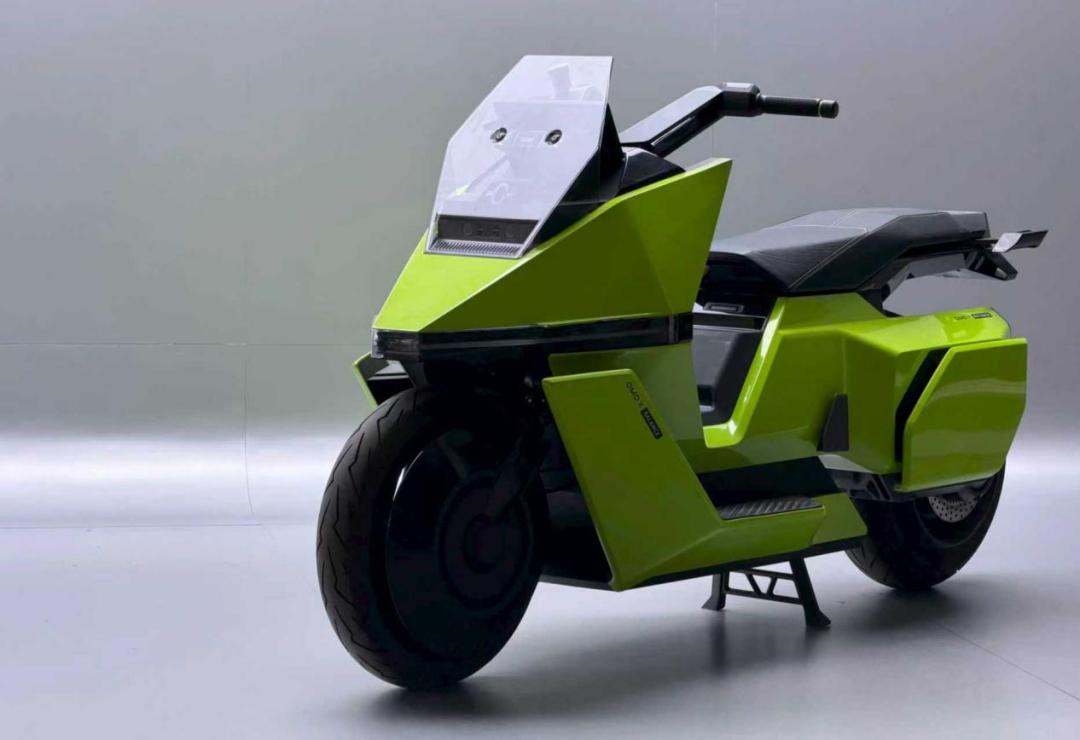
Core Insights - The article discusses the entrepreneurial journey of He Tao, who after leaving Xiaopeng Motors, decided to establish a new company, OMOWAY, focusing on electric motorcycles in Indonesia, the world's third-largest motorcycle market [1][2][4]. Group 1: Market Opportunity - Indonesia's motorcycle market is significant, with total sales reaching 6.24 million units in 2023 and a total ownership of approximately 120-130 million motorcycles, indicating a high penetration rate of 1 motorcycle for every 2-3 people [2][4]. - The Indonesian government has set ambitious targets for electric motorcycles, aiming for 2 million on the road by 2025 and 13 million by 2030, presenting a vast commercial opportunity [4][5]. Group 2: Company Overview - OMOWAY was founded in 2024, with a strong team including former executives from Xiaopeng Motors, and has successfully developed the OMO X, the world's first self-balancing electric motorcycle to achieve mass production [4][5][6]. - The company has secured several million dollars in Pre-A and Pre-A+ funding rounds, led by Sequoia China and Xinghang Capital, to support product delivery and global market expansion [5][6]. Group 3: Product Features and Innovation - The OMO X features advanced technology such as a self-balancing system, automotive-grade chassis, independent suspension, and various smart features, aiming to provide a significantly better user experience compared to traditional gasoline motorcycles [6][20][28]. - The design addresses local challenges such as poor road conditions and long commuting distances, with a focus on comfort and usability [20][41]. Group 4: Competitive Landscape - The Indonesian motorcycle market is dominated by Japanese brands like Honda and Yamaha, which hold over 95% market share, creating both a challenge and an opportunity for new entrants like OMOWAY [3][36]. - The company aims to differentiate itself by offering superior products and building a strong brand presence through community engagement and local partnerships [36][38]. Group 5: Strategic Insights - He Tao emphasizes the importance of understanding local consumer needs and adapting product strategies accordingly, which has led to multiple iterations of their product strategy [11][12][13]. - The company plans to leverage the existing automotive supply chain to maintain quality and control costs, aiming for higher profit margins compared to traditional motorcycle manufacturing [34][35].


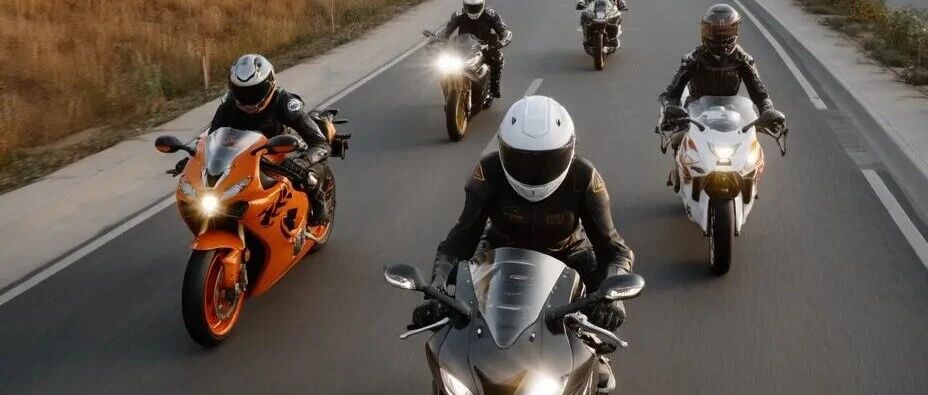
中国10大摩托车巨头,加起来卖不过本田,凭什么?
创业邦· 2025-09-13 10:08
Core Viewpoint - Honda's motorcycle business in China is thriving, while its automobile sales are declining, indicating a shift in market dynamics and consumer preferences [7][11][17]. Group 1: Honda's Market Performance - Honda's automobile sales in China for 2024 are projected at 852,000 units, a significant drop from maintaining over 1 million units annually from 2015 to 2023 [7]. - In contrast, Honda's motorcycle sales in China reached 1.342 million units in 2024, making it the second-largest player in the market, just behind the Dazhongjiang Group [11][17]. - Globally, Honda's motorcycle sales hit a record high of 20.57 million units in the 2024 fiscal year, an increase of nearly 2 million units from the previous year [13]. Group 2: Financial Performance - In the 2024 fiscal year, Honda's motorcycle revenue was approximately 3.62 trillion yen (about 231 billion USD), with a net profit of 663.4 billion yen (around 4.21 billion USD) and an operating profit margin of 18.3% [17]. - The total revenue for Honda's motorcycle business is expected to grow by 12.6% to 3.63 trillion yen in the 2025 fiscal year [14]. Group 3: Competitive Advantages - Honda's success is attributed to its extensive experience and technological advancements, allowing it to adapt to market changes effectively since its inception in 1947 [20]. - The company has a diverse product lineup that caters to various market segments, from low-end models like the Super Cub to high-end models like the Gold Wing [24][26]. - Honda's strong brand presence is bolstered by its participation in international motorcycle competitions, enhancing its reputation for reliability and performance [29][30]. Group 4: Market Strategy - Honda has established a robust localization strategy, with significant manufacturing and sales operations in key markets like the U.S., India, and Southeast Asia, which has contributed to its market dominance [34][38]. - The company has successfully navigated trade barriers and tariffs by localizing production, allowing it to maintain a competitive edge in various regions [38]. Group 5: Challenges and Opportunities for Chinese Manufacturers - Chinese motorcycle manufacturers face challenges in technology and brand recognition compared to Honda, particularly in high-performance and electric motorcycle segments [41]. - To compete effectively, Chinese companies need to enhance their technological capabilities, expand their international presence, and cultivate a motorcycle culture to increase global visibility [41][42].