电动汽车产业发展

Search documents
越南金龙汽车与比亚迪签约建设电动汽车电池工厂,总投资1.3亿美元
Xin Lang Cai Jing· 2026-01-27 08:12
1月27日,据越南政府网站,比亚迪日前与越南金龙汽车( Kim Long )签署协议,将在越南中部建设 一座商用电动汽车电池工厂。该工厂将生产巴士、卡车、小型客车等商用车配套电池。该项目两期总投 资额为1.3亿美元。一期建设带顶厂房面积达4.4公顷,年产能达3吉瓦时。二期计划扩建带顶厂房面积至 10公顷,新增乘用车电池产线,总产能提升至6吉瓦时。 ...


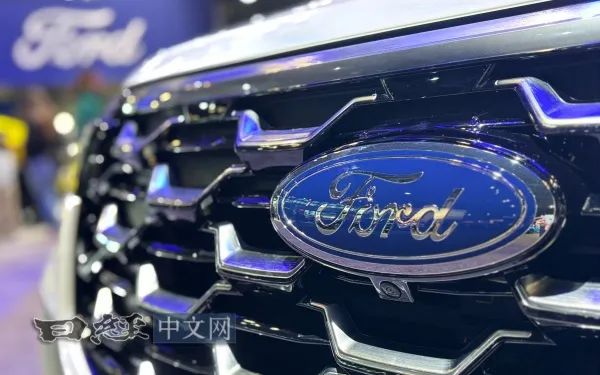
福特依赖中国技术,美国EV逆风来袭
3 6 Ke· 2025-08-13 05:32
Core Viewpoint - The American automotive industry is at a crossroads, facing challenges from Chinese companies and global emerging players, as expressed by Ford CEO Jim Farley [2] Group 1: Ford's Strategy and Investments - Ford announced plans to adopt Chinese battery technology to develop electric vehicles (EVs) priced at $30,000, amid a challenging market environment due to policy shifts under the Trump administration [2] - The company has experienced three consecutive years of losses in its large vehicle EV business and is making comprehensive adjustments to its new low-cost EV platform, with a total investment of $5 billion for new vehicle development and battery factory construction [2] - Ford will invest $3 billion in a factory in Michigan to produce low-cost lithium iron phosphate (LFP) batteries with support from Chinese battery giant CATL, which are approximately 30% cheaper than cobalt-based batteries [3] Group 2: Market Dynamics and Policy Impact - The Biden administration aimed to cultivate the EV industry in the U.S. with a target of 50% EV sales by 2030, but the Trump administration's policies have led to a contraction in the EV market [4][5] - Major automotive companies are adjusting their EV strategies in the U.S., with some halting or delaying EV development due to market conditions and policy changes [6] - The market for hybrid vehicles (HV) is growing, with HV sales projected to exceed EV sales in early 2025, presenting a favorable scenario for Japanese companies lagging in EV development [5][6] Group 3: Challenges for Japanese Automakers - Japanese automakers are facing challenges due to U.S. tariffs affecting the import of key components for HVs, prompting them to consider localizing production to avoid tariffs [7]