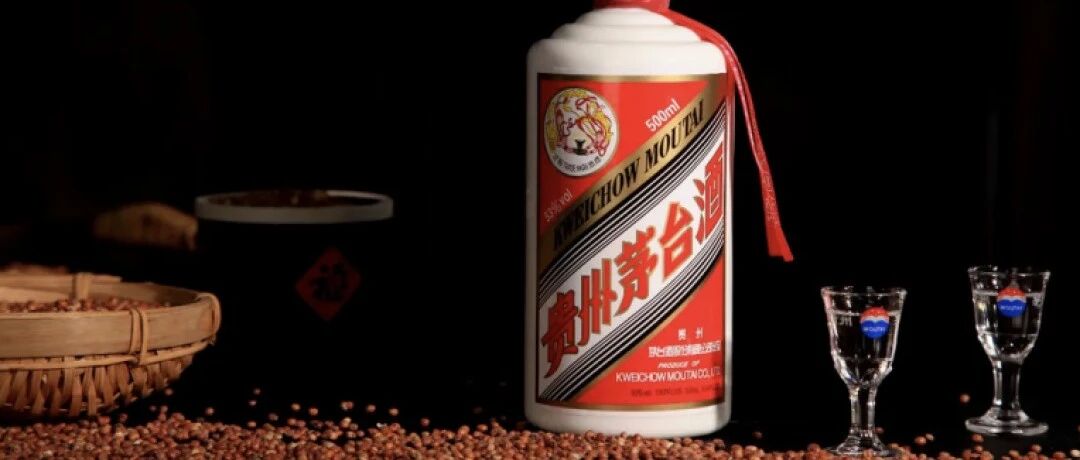
电商低价竞争

Search documents
茅台电商价格跌破1600元
第一财经· 2025-11-04 02:21
Core Viewpoint - The article discusses the impact of e-commerce promotions on the pricing of premium Chinese liquor, particularly Moutai, as the "Double Eleven" shopping festival approaches, raising concerns among liquor merchants about potential market price disruptions [3][5]. Pricing Trends - E-commerce platforms have significantly reduced the price of 53-degree Moutai to below 1600 yuan per bottle, with a reported price of 1590 yuan after a subsidy of 397 yuan per bottle [3]. - The wholesale price of 53-degree Moutai has been declining, with prices dropping from 1730 yuan per bottle on October 23 to 1635 yuan by November 3 [3][4]. Market Concerns - Liquor merchants express concerns that the ongoing price decline of Moutai could negatively affect the pricing of other premium liquors, especially as the year-end is a peak sales season for white liquor [5]. - The current pricing environment for white liquor is described as chaotic, influenced by e-commerce promotions and a general economic downturn leading to weak consumer demand [5]. Industry Dynamics - Analysts note that the low pricing strategies employed by e-commerce platforms are damaging the traditional distribution system for white liquor, as they engage in aggressive price competition to attract customers [5].


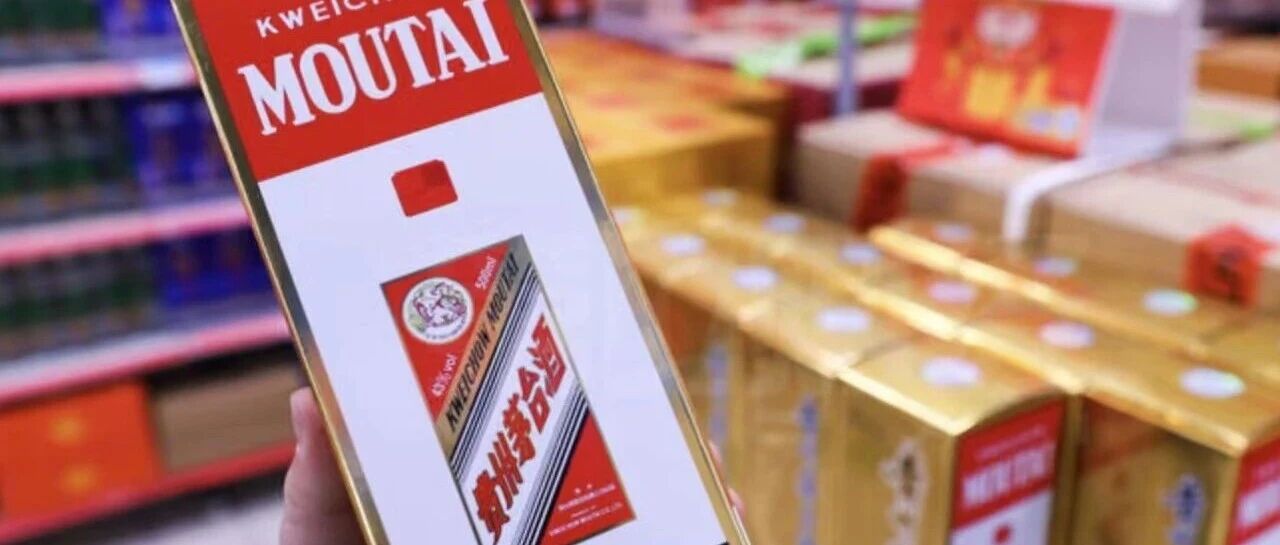
酒商的担忧,茅台电商补贴价跌破1600元
Di Yi Cai Jing· 2025-11-04 01:33
第三方价格平台数据显示,进入10月下旬以来,53度飞天茅台的批发价持续下行,并有加速的趋势。10 月23日,散瓶批发价为1730元/瓶,原箱为1770元/瓶;而到11月3日,已分别跌至1635元/瓶和1670元/ 瓶。 白酒独立分析人士肖竹青告诉第一财经记者,线上低价白酒"源源不断",一方面与经济大环境导致的白 酒消费疲软和经销商去库存有关;另一方面,目前国内电商进入了一种全网比价、低价竞争的怪圈,电 商低价甚至"不赚钱"促销茅台、五粮液等名酒来实现引流,对白酒传统经销体系造成极大伤害。 【酒商的担忧,#茅台电商补贴价跌破1600元#】#酒商担忧电商扰乱年末市场价格#随着"双十一"临近, 电商平台加大白酒促销力度。今日,有电商平台53度飞天茅台的补贴后价格已跌破1600元/瓶,引发酒 商担忧,称电商可能"扰乱年末市场价格"。 记者在某电商平台看到,53度飞天茅台百亿补贴后价格已降至1590元/瓶,平台补贴397元/瓶。淘系平 台并未跟进,售价仍为1640元/瓶。但上述电商平台53度飞天茅台双瓶装补贴后价格跌至3150元(两 瓶),约合每瓶1575元。其他名酒价格较"双十一"促销启动时也有小幅回落。 此前,茅台 ...
53度飞天茅台补贴价跌破1700元
第一财经· 2025-10-17 05:32
Core Viewpoint - The collaboration with e-commerce channels has become an unavoidable topic for liquor companies, as traditional sales channels continue to decline, prompting companies to seek growth in the booming e-commerce sector while facing challenges from aggressive price competition [3][5]. Group 1: Industry Trends - The liquor industry is undergoing deep adjustments, with major liquor companies reporting varying degrees of sales decline in their half-year reports. During the recent "Double Festival" peak season, overall sales of liquor dropped by approximately 25%, primarily due to a significant contraction in group purchases and government-related markets [5][6]. - E-commerce platforms have shown strong growth in liquor sales, with Meituan's liquor category sales increasing by about 800% year-on-year during the last weekend before the holiday. JD's liquor category sales grew by 109% during the "Double Festival," and Douyin's liquor sales heat increased by 41% compared to last year [6]. Group 2: E-commerce Integration - The attitude of liquor brands towards e-commerce has shifted from rejection to cooperation, with companies like Kweichow Moutai and others entering e-commerce platforms to offer services like 30-minute delivery [8]. - Despite the desire for growth through e-commerce, the issue of low-price promotions disrupting offline markets remains unresolved, creating a core conflict between liquor companies and e-commerce platforms [8][10]. Group 3: Pricing and Competition - The current low-price competition in the liquor market is attributed to an oversupply in the industry. E-commerce platforms have begun to operate independently, leading to significant price drops for well-known liquor brands, with some prices falling below wholesale costs [10][11]. - The phenomenon of "naked pricing" in the liquor market has emerged, where prices are driven down by e-commerce platforms, making profitability challenging for liquor companies in the next 3-5 years [9][11]. Group 4: Consumer Perception and Brand Value - Liquor is characterized as an information-asymmetric product, where consumers cannot easily assess its value. The long-term low-price promotions on star products can undermine the brand's foundation [9][10]. - The need for e-commerce platforms to attract traffic has led to a focus on star products, which are crucial for driving sales. Without stronger collaboration between platforms and liquor companies, the ongoing low-price competition will be difficult to manage [11].