白酒行业深度调整

Search documents
高端突围难掩低端失守,金徽酒连续三年净利目标落空
凤凰网财经· 2026-03-28 10:24
Core Viewpoint - The performance of Jinhui Liquor (金徽酒) in 2025 is mixed, with high-end products over 300 yuan showing over 25% growth, but overall revenue and net profit declining, marking the third consecutive year of unmet profit targets [2][3]. Group 1: Financial Performance - In 2025, Jinhui Liquor reported revenue of approximately 2.918 billion yuan, a year-on-year decrease of 3.4%, and a net profit of 354 million yuan, down 8.7% [3]. - The company set a revenue target of 3.28 billion yuan and a net profit target of 408 million yuan for 2025, which were not achieved [3]. - Operating cash flow decreased by 13.95% to 480 million yuan due to reduced revenue and increased cash payments for raw materials [5]. Group 2: Product Performance - Revenue from products priced above 300 yuan reached 709 million yuan, growing by 25.21%, and accounted for 25.54% of total liquor revenue, an increase of 6.02 percentage points [6]. - Revenue from products priced between 100-300 yuan was 1.532 billion yuan, up 3.09%, making up 55.17% of total revenue, an increase of 3.95 percentage points [6]. - Revenue from products priced below 100 yuan fell sharply by 36.88% to 536 million yuan, with sales volume down 33.56% [7]. Group 3: Market Dynamics - The liquor industry is experiencing intensified competition and a shift in consumer preferences, leading to increased market concentration among leading brands [2][8]. - Jinhui Liquor's revenue from the domestic market was 2.112 billion yuan, down 5.34%, while revenue from the external market was 665 million yuan, a slight decrease of 0.81% [8]. - The company has 941 distributors, with 319 in the domestic market and 622 in the external market, indicating a slow national expansion [9].


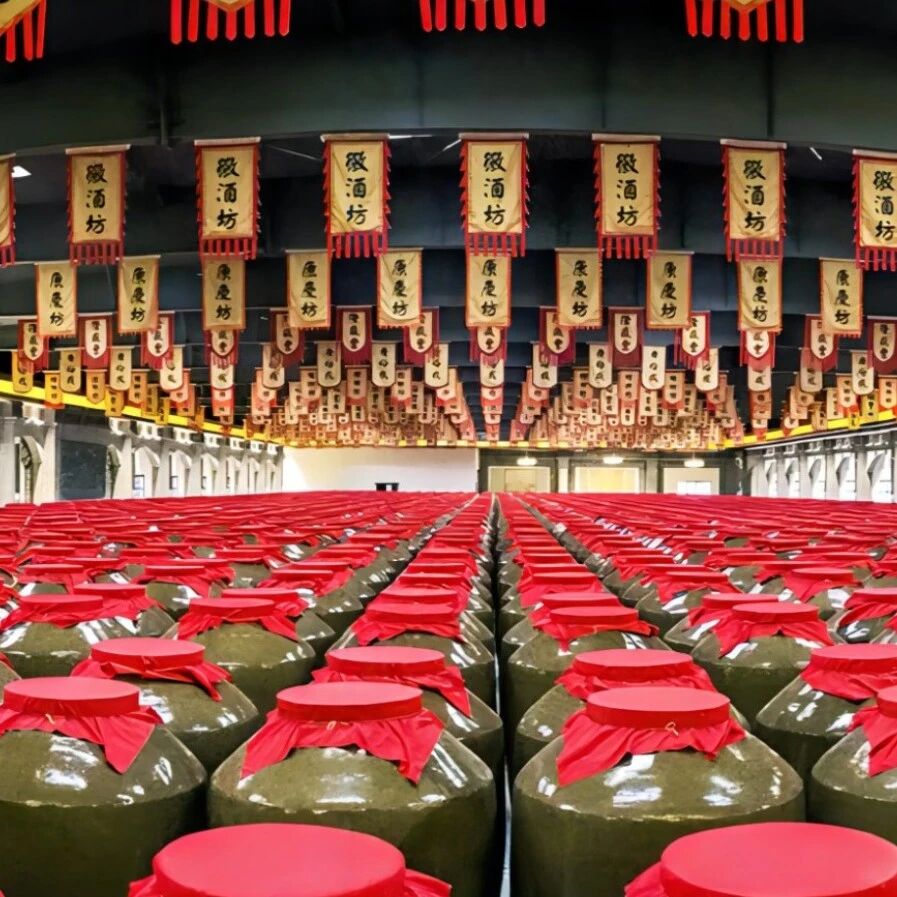
舍得酒业:调整仍在深水区
YOUNG财经 漾财经· 2026-03-24 12:52
Core Viewpoint - The white liquor industry is entering a deep adjustment period in 2025, characterized by rational consumption, price differentiation, and inventory pressure, with Shede Liquor (600702.SH) facing significant challenges despite some operational recovery [4][19]. Financial Performance - In 2025, Shede Liquor reported a revenue of 4.42 billion yuan, a decrease of 17.51% year-on-year, and a net profit attributable to shareholders of 223 million yuan, down 35.51% [4][6][7]. - The company's operating profit fell to 300 million yuan, a decline of 47.05%, while the net profit after deducting non-recurring items dropped by 50.31% to 199 million yuan [4][6]. - The overall cash flow from operating activities was -522.99 million yuan, although this represented a 26.08% improvement compared to the previous year [17]. Quarterly Performance - The annual performance showed a trend of declining results, with the first quarter achieving peak revenue of 1.58 billion yuan and a net profit of 346 million yuan, followed by a significant drop in subsequent quarters, culminating in a loss of 249 million yuan in the fourth quarter [8][19]. Product Segmentation - The product structure showed clear differentiation in 2025, with mid-to-high-end liquor revenue declining by 23.83% to 3.12 billion yuan, while ordinary liquor revenue grew by 5.75% to 733 million yuan, marking it as the only growth segment [9][10]. - The average price per ton for mid-to-high-end liquor and ordinary liquor decreased by 12.3% and 8.3%, respectively, reflecting ongoing pressure in the market [10]. Sales Channels - The company experienced a significant decline in traditional wholesale channels, with revenue from this segment dropping by over 25%, while e-commerce sales surged by 35.46% to 604 million yuan, indicating a shift in consumer purchasing behavior [12][13][14]. - The total number of distributors decreased by 138 to 2,525, highlighting challenges in maintaining distributor relationships amid market pressures [13]. Strategic Initiatives - Shede Liquor is actively pursuing channel innovation, cost control, and product structure adjustments to foster new growth momentum, including a focus on e-commerce and digital marketing strategies [14][15]. - The company launched new products aimed at younger consumers, such as the low-alcohol "Shede Zizai," to align with changing consumer preferences [16]. Challenges Ahead - Despite some operational improvements, Shede Liquor continues to face multiple challenges, including negative cash flow, pressure on profitability, and structural imbalances [17][18]. - The company’s net profit margin was only 4.78%, indicating significant pressure on profitability due to declining high-margin product sales and increased promotional activities [17]. - The ongoing adjustments in traditional channels and the need for effective transformation strategies remain critical for the company's future success [18][19].


业绩失速、股价低位徘徊,从“万亿酒王”到“反腐风暴眼”,茅台困局何解?
证券时报· 2026-03-15 10:52
Core Viewpoint - The article discusses the significant challenges and transformations facing Kweichow Moutai, particularly in light of recent governance issues and the need for a market-oriented operational overhaul amid a declining industry landscape [3][4][6]. Group 1: Governance and Challenges - Kweichow Moutai's Vice President and CFO, Jiang Yan, is under investigation for serious violations, highlighting governance issues within the company [3]. - The company has faced a governance crisis, with multiple chairmen being dismissed, indicating deeper systemic problems [3][4]. - The white liquor industry is undergoing a profound adjustment, with Kweichow Moutai's market value dropping significantly from its peak, necessitating a transformation strategy [3][6]. Group 2: Market and Financial Performance - Kweichow Moutai's revenue growth for the first three quarters of 2025 was only 6.36%, the lowest since 2015, with annual targets reduced to single digits for the first time [3][6]. - The company reported a significant increase in accounts receivable, reaching 5.21 billion yuan, indicating a tightening cash flow situation [3]. - The stock market performance has been poor, with Kweichow Moutai's market value dropping to 1.76 trillion yuan, down from a peak of 3.2 trillion yuan, reflecting a loss of over 1 trillion yuan [5][6]. Group 3: Transformation Strategy - Kweichow Moutai launched a market-oriented operational plan in January 2026, focusing on channel restructuring and direct sales through its e-commerce platform, iMoutai, selling its flagship product at a normalized price of 1499 yuan [3][6][30]. - The transformation aims to shift from a reliance on distributors to a more direct-to-consumer model, enhancing profitability and market responsiveness [30][45]. - The company plans to reduce the quota for non-standard products significantly, focusing on core products to streamline its offerings [72]. Group 4: Industry Context - The white liquor industry is experiencing a systemic downturn, with many companies facing declining revenues and profits, leading to a significant reduction in the number of operational firms [11][12]. - The average inventory turnover days for the industry reached 900 days, indicating prolonged inventory digestion periods [18]. - Kweichow Moutai's transformation is seen as a bellwether for the industry, as its performance impacts local finances and capital markets significantly [4][7]. Group 5: Sales and Distribution Dynamics - The company is shifting its sales model to include direct sales, agency sales, and consignment, aiming to balance interests between distributors and the company [32][45]. - The direct sales channel has seen substantial growth, with sales revenue from direct channels increasing significantly compared to wholesale channels [47][49]. - The profitability of distributors is under pressure due to reduced margins, raising concerns about their motivation and ability to adapt to the new sales model [60][61]. Group 6: Future Outlook - The success of Kweichow Moutai's transformation will depend on its ability to maintain sales momentum and adapt to changing consumer preferences, particularly among younger demographics [4][6][68]. - The company aims to achieve a revenue target of approximately 189.8 billion yuan for 2025, marking a significant challenge given the current market conditions [67]. - Analysts predict that Kweichow Moutai may experience flat or low single-digit growth in the coming years, reflecting broader industry challenges [68][69].

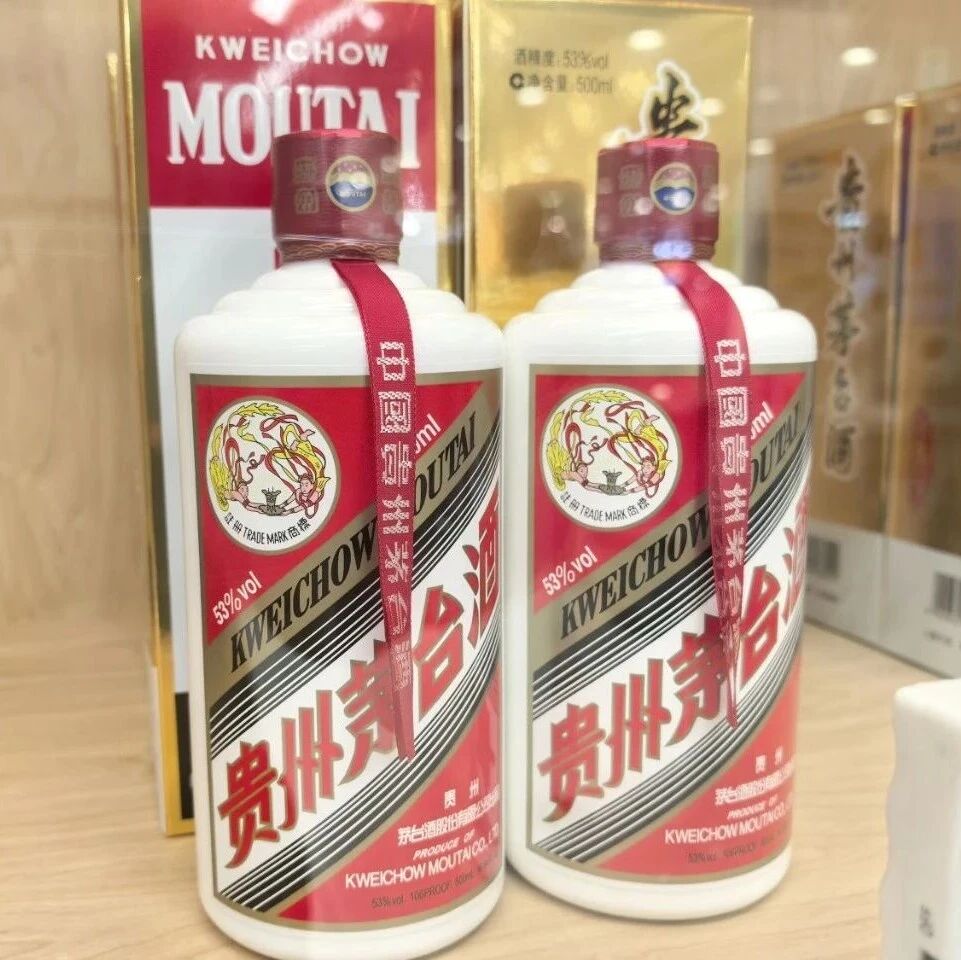
前“腐”后继!业绩失速、股价低位徘徊,茅台困局何解?
券商中国· 2026-03-15 09:09
Core Viewpoint - The article discusses the challenges and transformations faced by Kweichow Moutai, highlighting its governance issues, market adjustments, and the need for a fundamental restructuring of its business model in response to a changing industry landscape [3][24]. Group 1: Governance and Management Issues - Kweichow Moutai's Vice President and CFO, Jiang Yan, is under investigation for serious violations, reflecting deeper governance crises within the company, which has seen multiple leadership changes in recent years [3][4]. - The company has faced significant challenges, including a decline in revenue growth, with a reported growth rate of only 6.36% in the first three quarters of 2025, the lowest since 2015 [4][5]. Group 2: Market Transformation and Strategy - In January 2026, Kweichow Moutai announced a market-oriented operational plan focusing on channel restructuring, including the launch of its self-operated e-commerce platform, iMoutai, which aims to sell its flagship product at a consistent price of 1499 yuan [4][6]. - The company is shifting from a traditional sales model reliant on distributors to a more diversified approach that includes direct sales, agency sales, and consignment, aiming to enhance market responsiveness and consumer engagement [25][34]. Group 3: Financial Performance and Market Position - Kweichow Moutai's market capitalization has significantly decreased, dropping from a peak of 3.2 trillion yuan to approximately 1.76 trillion yuan, indicating a loss of over 1 trillion yuan in value [5][6]. - The company reported a substantial increase in accounts receivable, reaching 5.21 billion yuan, indicating tightening cash flow within its distribution channels [4][10]. Group 4: Industry Context and Challenges - The Chinese liquor industry is undergoing a profound adjustment, with nearly half of the large-scale liquor companies disappearing over the past decade, highlighting the competitive pressures and market saturation [10][12]. - The average inventory turnover days for the liquor industry reached 900 days in the first half of 2025, reflecting significant overstock issues and the need for effective inventory management [17][12]. Group 5: Consumer Behavior and Sales Dynamics - The article notes a shift in consumer preferences from "pleasing others" to "self-satisfaction," necessitating a reevaluation of Kweichow Moutai's marketing and product strategies to align with changing consumer expectations [4][24]. - The Spring Festival traditionally serves as a barometer for annual performance, and Kweichow Moutai has seen double-digit growth in sales during this period, although overall market sentiment remains cautious [5][6]. Group 6: Future Outlook and Strategic Initiatives - Kweichow Moutai's new operational strategy aims to create a clearer product hierarchy, focusing on core products while reducing the allocation of non-standard products, which may help stabilize its market position [59][24]. - The company is exploring innovative sales models, including partnerships with distributors and the establishment of joint ventures to enhance market stability and foster long-term growth [50][51].

酒行业周度市场观察:行业环境头部品牌动态投资运营产品技术营销活动-20260314
Ai Rui Zi Xun· 2026-03-14 07:45
Investment Rating - The report does not explicitly provide an investment rating for the industry Core Insights - The liquor industry is facing significant challenges, including economic downturns and changing consumer preferences, leading to a shift from scale expansion to value cultivation [3] - The yellow wine sector is entering a period of active development, driven by new drinking trends and health-oriented products, while the sauce liquor market is experiencing a consolidation phase due to weak consumption [2][5] - The report highlights eight major trends for the liquor industry in 2026, emphasizing survival, continuous transformation, and a focus on long-term strategies [8] Industry Environment - The white liquor industry is under pressure from policy regulations, generational consumption changes, and inventory issues, resulting in a significant decline in sales [3] - The yellow wine industry is transitioning from passive to active evolution, with new trends such as health-oriented beverages and innovative drinking experiences driving growth [3] - The sauce liquor industry is experiencing a reduction in production capacity by 23% and a slight decline in revenue by 2.08%, with a focus on quality and brand enhancement to navigate the downturn [5] - The beer market is shifting towards premiumization, with a need for brands to redefine their value propositions and target new consumer segments [5][6] Top Brand Dynamics - iMoutai has seen a significant increase in user engagement, with 1.4 million users logging in during the Spring Festival, indicating a younger and more diverse consumer base [11] - Gujing Gongjiu launched a new cultural series to enhance its brand value and appeal to diverse consumer needs, showcasing a shift towards cultural competition in the industry [11] - Muddy Pit Liquor achieved remarkable growth during the Spring Festival, with a 146.6% increase in sales from its light bottle division, attributed to quality improvements and effective marketing strategies [14] - Niulanshan is focusing on innovation and quality in its transition from "popular liquor" to "high-quality popular liquor," targeting younger consumers with new product offerings [15] - Shede Liquor is emphasizing its "extreme four strengths" strategy, focusing on product quality, brand differentiation, and channel strength to navigate industry challenges [17]
茅台一边说没货一边狂降价?背后是渠道与库存的生死博弈
Sou Hu Cai Jing· 2026-02-22 08:50
Core Viewpoint - The article highlights the complex dynamics of the Chinese high-end liquor market, particularly focusing on Kweichow Moutai, which is experiencing a paradox of both "shortage" and "oversupply" amid significant market adjustments. Group 1: Supply and Demand Imbalance - Kweichow Moutai distributors are facing inventory shortages, with some regions selling out of quotas for January and February ahead of time, leading to pre-orders for March supplies [1] - In Shenzhen, the price of a single bottle of Moutai has exceeded 1800 yuan, with daily price increases surpassing 100 yuan, as distributors report a lack of stock [1] - The surge in demand is attributed to a structural change in distribution channels, with online platforms processing over 1.43 million transactions in January, creating pressure from both consumer demand and traditional B2B shipments [1] Group 2: High Inventory and Price Discrepancies - In stark contrast to the "shortage" claims, there is a significant social inventory of over 10 million bottles accumulated in distribution channels [3] - By the end of 2025, the wholesale price of Moutai fell below the official guidance price of 1499 yuan, marking a historical low, while actual costs for distributors reached 1700-1800 yuan per bottle, leading to losses of 200 yuan per bottle sold [3] - Panic selling by scalpers and e-commerce platform subsidies have exacerbated the situation, creating a vicious cycle of declining prices [3] Group 3: Channel Revolution and Traditional Profit Chain Disruption - In 2026, Moutai initiated a channel restructuring by eliminating traditional distribution rights, increasing direct sales from 43% to over 60% [3] - The i Moutai app has adopted a model of daily limited purchases at 1499 yuan with frequent restocking, which reduces the profit margins for scalpers but forces distributors to sell at a loss to recover funds [3] - The deeper conflict arises as Moutai aims to reclaim a profit margin of 330 yuan per bottle through direct sales, while distributors struggle to survive on a mere 30% retail margin [3] Group 4: Consumption Decline and Demand Reversion - The industry is facing a downturn due to a shrinking core consumer base, with a significant reduction in business banquets related to government and real estate sectors, and younger consumers moving away from traditional drinking culture [4] - Actual annual consumption of Moutai is around 40 million bottles, while annual production capacity exceeds 100 million bottles, leading to a social inventory backlog of 80 million bottles [4] - Distributors indicate that a bottle opening rate of 45% would signify a healthy industry [4] Group 5: Transformation Challenges and Future Pathways - In response to the challenges, Moutai is implementing "surgical" adjustments, including halting December shipments and reducing non-standard product quotas by 30%-50%, aiming to raise wholesale prices from 1499 yuan to 1580 yuan [5] - Long-term reforms focus on three main areas: de-financialization to reduce speculative hoarding, channel integration encouraging distributors to become "cultural connoisseurs," and consumer reconstruction by introducing low-alcohol sparkling wines to appeal to younger demographics [5] - The simultaneous existence of "shortage" and "oversupply" reflects the necessary transition of the high-end liquor industry in China from a resource-driven to a value-driven model, aiming to return to the essence of quality liquor [5]
贵州茅台市值重返2万亿
Sou Hu Cai Jing· 2026-02-05 10:09
Group 1 - On February 5, Kweichow Moutai's stock price rose over 2%, with a market capitalization exceeding 2 trillion yuan for the first time in over eight months, closing at 1555 yuan per share, an increase of 1.97% [2] - The stock price had previously reached 2.05 trillion yuan on March 14, 2025, but faced adjustments due to market conditions before recently returning to this key level [2] - As the Spring Festival approaches, Kweichow Moutai products are experiencing strong sales, with reports of difficulties in purchasing through the iMoutai App due to high demand [3] Group 2 - The wholesale price of Kweichow Moutai products saw a significant increase, with a rise of 100 yuan to 1710 yuan per bottle for original cases and an 80 yuan increase to 1650 yuan per bottle for individual bottles, indicating robust market demand [3] - Notable investor Duan Yongping disclosed multiple purchases of Kweichow Moutai shares, totaling 77,200 shares at a cost of approximately 103 million yuan, reflecting confidence in the company's long-term value [4] - Research from China International Capital Corporation indicates that the price of Moutai is stabilizing, with expectations that the company will maintain steady performance across cycles, supported by strong sales and price resilience [4] Group 3 - Zhongyin Securities suggests that the liquor industry is still in a deep adjustment phase, with increasing competition leading to a more pronounced Matthew effect [5]
“青稞酒第一股”走不出青海?高管相继离任,业绩下滑85%
Xin Lang Cai Jing· 2026-02-04 23:41
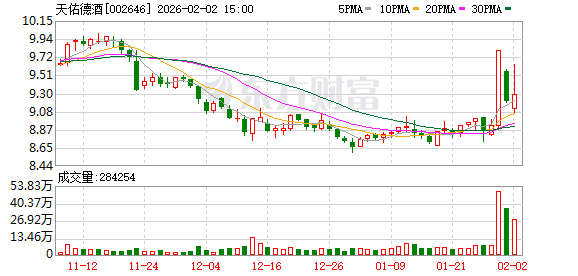
Core Viewpoint - Tianyoude Liquor, known as the "first stock of barley wine," is facing a severe downturn with significant executive departures and a projected net profit decline of 85% to 90% for 2025 [2][4][10]. Group 1: Executive Departures and Performance Issues - The resignation of key executives, including General Manager Wang Guodong and Deputy General Manager Lu Shuilong, occurred shortly before the release of a disappointing annual performance forecast [2][4][12]. - Wang Guodong, who took office in December 2022, attempted to implement a "four modernization" strategy but failed to reverse the declining performance trend [3][11]. - The company has acknowledged that it will quickly complete the selection of new board members and a new general manager following these departures [3][12]. Group 2: Financial Performance and Market Challenges - Tianyoude Liquor's 2025 annual performance forecast indicates a net profit of only 4.21 million to 6.32 million yuan, a drastic drop from 42.14 million yuan in the previous year, marking an 85% to 90% decline [4][12]. - The company also expects a significant decrease in net profit after excluding non-recurring gains, projecting a range of 1.83 million to 2.75 million yuan, down 92.79% to 95.20% from the previous year [4][12]. - The company's revenue target of 1.568 billion yuan for 2025, set during a 2023 stock incentive plan, is now deemed unattainable, marking the second consecutive year of unmet targets [4][12]. Group 3: Historical Context and Market Position - Established in 1373, Tianyoude Liquor is the only publicly listed liquor company in Qinghai, with a market share of approximately 55% in the province [6][14]. - The company has experienced a decline in provincial revenue and faces high costs and low returns in expanding outside its core market, leading to a widening gap in revenue and profitability compared to regional competitors [6][14]. - Recent financial reports show a revenue of 880 million yuan for the third quarter, a 10.79% year-on-year decline, with a net profit of 21.81 million yuan, down 62.03% [6][14]. Group 4: Product Structure and Market Strategy - The primary product of Tianyoude Liquor is barley liquor, which accounted for 99.06% of revenue in the first half of 2025 [7][15]. - The company has shifted its product classification strategy, focusing on two price segments, with products priced above 100 yuan making up 52.02% of revenue [7][15]. - In response to market conditions, Tianyoude Liquor has introduced innovative products aimed at younger consumers, such as flavored low-alcohol barley liquors, while also increasing marketing and sales team investments, which has pressured short-term profitability [7][15].


天佑德酒总经理万国栋辞职,去年净利预减85%-90%
Nan Fang Du Shi Bao· 2026-02-02 09:21
Core Viewpoint - The recent resignation of the general manager of Tianyoude Liquor is linked to the company's significant decline in performance, with a projected net profit drop of 85% to 90% for the fiscal year 2025 [2][3] Company Summary - Tianyoude Liquor announced the resignation of its general manager, Wang Guodong, effective immediately due to personal reasons, and will soon complete the appointment of a new general manager [2] - The company expects a net profit for 2025 to be between 4.2135 million and 6.3202 million, a drastic decrease from 42.1353 million in the previous year, indicating a decline of 85% to 90% [3] - The projected net profit after excluding non-recurring gains and losses is expected to be between 1.8339 million and 2.7508 million, reflecting a year-on-year decrease of 92.79% to 95.20% [3] - The company attributes the performance decline to a deep adjustment cycle in the liquor industry, insufficient demand in certain consumption scenarios, and a decrease in the proportion of mid-to-high-end products [3] Industry Summary - The liquor market is currently facing a complex situation characterized by rational and quality consumption trends, with traditional government consumption giving way to more discerning business and general consumer behavior [4] - Consumers are increasingly focused on brand strength, quality, and cost-effectiveness, posing significant challenges for regional liquor companies like Tianyoude, which are still upgrading their product structures [4] - The "Matthew Effect" within the industry is intensifying, with national high-end brands like Moutai and Wuliangye demonstrating stronger resilience against market fluctuations, thereby increasing competitive pressure on regional liquor companies [4]
连亏五年、去库存、卖资产:金种子酒还在“失血”
Xin Lang Cai Jing· 2026-01-30 14:19
Core Viewpoint - Jinzhongzi Liquor (600199.SH) is expected to report a net loss of between 150 million to 190 million yuan for the year 2025, although the loss is narrowing compared to the previous year [3][14]. Financial Performance - In 2023 to Q3 2025, Jinzhongzi's revenue was 1.469 billion yuan, 925 million yuan, and 628 million yuan, with year-on-year growth rates of 23.92%, -37.04%, and -22.08% respectively [5][16]. - The net profit figures for the same periods were -19.71 million yuan, -257 million yuan, and -100 million yuan, with year-on-year changes of 89.41%, -1204.46%, and -1.72% respectively [5][16]. - The company’s revenue for the first three quarters of 2025 was significantly lower than its peers, with only 3.82% of the revenue of Gujing Gongjiu, which reported 16.42 billion yuan [6][16]. Product Performance - Revenue from low-end liquor (priced below 100 yuan) decreased by 23.79% to 330 million yuan, while mid-range liquor (100-500 yuan) fell by 23.83% to 131 million yuan. Only high-end liquor (above 500 yuan) saw a slight increase of 7.33% to 51.27 million yuan [6][18]. - The total revenue from all product categories in Q3 2025 was 512.23 million yuan [19]. Market and Channel Dynamics - The number of distributors for Jinzhongzi decreased to 629 by Q3 2025, down by 13 from the beginning of the year, indicating a contraction in market channels [8][19]. - Revenue from the domestic market fell by 18.16% to 419 million yuan, while revenue from the external market dropped by 33.78% to 93.52 million yuan [20]. Inventory and Cash Flow Issues - As of Q3 2025, Jinzhongzi's inventory stood at 1.531 billion yuan, accounting for 76.13% of its current assets, indicating a high level of liquidity tied up in inventory [8][20]. - The cash flow from operating activities was -118 million yuan for the first three quarters of 2025, marking a continued negative trend since 2016, except for a brief positive cash flow in 2023 [10][21]. Asset Disposal - In November 2025, the company sold 92% of its subsidiary, Jintaiyang Pharmaceutical, for 126 million yuan, a 10% discount from the initial listing price [10][22]. - This asset sale is viewed as a temporary measure, and the company needs to focus on product upgrades, channel expansion, and market demand to address deeper operational issues [10][22].