电池产业格局

Search documents
二线电池厂,出海求生
36氪· 2025-10-22 10:02
Core Viewpoint - The article discusses the competitive landscape of the battery industry, particularly focusing on the challenges faced by second-tier battery manufacturers in China and their strategies to expand into overseas markets, especially in Europe [5][9][12]. Group 1: Industry Overview - The Douai battery factory in France, launched in June, has an initial planned capacity of 10 GWh, supplying batteries to Renault's R5 model [6][8]. - The French government aims to create a "European Battery Valley," stretching approximately 110 kilometers, to boost local battery production [8]. - The domestic battery market is dominated by CATL and BYD, which together hold around 70% market share, leaving only 30% for other manufacturers [11][15]. Group 2: Market Dynamics - Since 2019, the domestic battery installation volume has increased over eightfold, intensifying competition among second-tier manufacturers [11]. - The shift in subsidy policies from "supporting the weak" to "strengthening the strong" has favored high-energy-density ternary lithium batteries, benefiting leading companies like CATL [13]. - The article highlights the importance of battery suppliers in influencing consumer purchasing decisions, with CATL becoming a preferred supplier for high-end models [18][20]. Group 3: Overseas Expansion - Second-tier battery manufacturers are increasingly looking to expand overseas due to the shrinking domestic market and the potential for higher profit margins abroad [12][28]. - The average price of lithium battery packs in Europe is significantly higher than in China, creating a lucrative opportunity for manufacturers [31][32]. - The article lists various companies and their planned production capacities in different countries, indicating a strategic push towards localizing production to meet overseas demand [29][30]. Group 4: Competitive Challenges - Despite the opportunities in overseas markets, second-tier manufacturers face stiff competition from CATL, which is also expanding internationally [47][54]. - The article notes that the domestic market's intense competition may eventually replicate itself in overseas markets once local production capacities are established [53]. - The profit margins for second-tier manufacturers have been declining, with many struggling to maintain profitability in a market increasingly dominated by leading players [56].



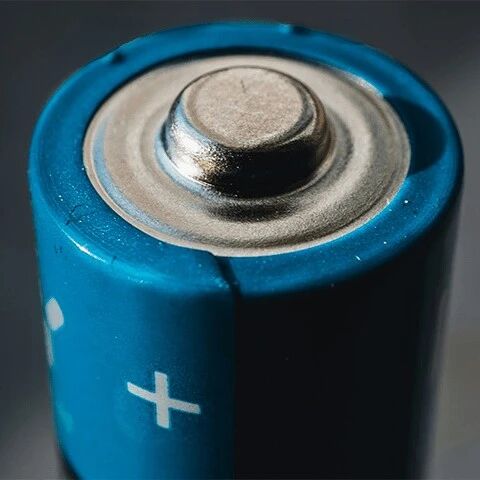
二线电池厂,出海求生
远川研究所· 2025-10-21 13:14
Core Viewpoint - The article discusses the competitive landscape of the battery industry, particularly focusing on the dominance of CATL and BYD in the domestic market, while highlighting the challenges and opportunities for second-tier battery manufacturers in both domestic and overseas markets [5][9][10]. Group 1: Domestic Market Dynamics - The domestic battery market is primarily dominated by CATL and BYD, which together hold approximately 70% market share, leaving only 30% for other manufacturers [9][10]. - Since 2019, the installed capacity of domestic power batteries has increased more than eightfold, with CATL's market share rising from 10% in 2015 to 41% by 2018, surpassing BYD [9][10]. - The shift in subsidy policies from "supporting the weak" to "strengthening the strong" has favored manufacturers with higher energy density batteries, allowing CATL to secure significant partnerships with major automakers [9][10][13]. Group 2: International Expansion - Second-tier battery manufacturers are increasingly looking to international markets for growth due to the saturated domestic market [9][14]. - The article highlights that overseas markets, particularly in Europe, offer higher profit margins and lower market concentration compared to the domestic market, making them attractive for expansion [16][23]. - The average price of lithium battery packs in Europe is significantly higher than in China, with a reported average of $139/kWh in Europe compared to $94/kWh in China, indicating greater profit potential for manufacturers operating in Europe [19][23]. Group 3: Challenges for Second-Tier Manufacturers - Second-tier manufacturers face intense competition from CATL, which has established a strong brand presence and customer loyalty, making it difficult for others to gain market share [14][33]. - The article notes that the number of domestic battery manufacturers has increased to 49, leading to oversupply and fierce competition, while the European market remains less saturated [26][30]. - The high costs associated with establishing production facilities overseas, including labor and operational expenses, pose significant challenges for second-tier manufacturers aiming to compete with established players like CATL [33][34].