
电荒

Search documents
硅谷最难的三个问题:缺电、缺电、还是缺电,硅谷大佬押注新能源
3 6 Ke· 2026-01-15 01:21
Group 1 - The core issue is the increasing electricity demand from AI data centers, which is straining the existing power grid and leading to rising electricity prices [2][4][7] - There are over 4,000 AI data centers in the U.S., and their number is expected to triple in the next four years, significantly increasing electricity consumption [2][3] - By 2035, U.S. data centers' electricity demand is projected to surge from 200 terawatt-hours to 640 terawatt-hours, equivalent to Germany's annual electricity consumption [3] Group 2 - The current power grid is unable to meet the demand from new data centers, with Texas only able to approve about 1 gigawatt of the tens of gigawatts requested monthly [4][7] - The construction of new power lines and plants takes several years, which is not feasible for tech giants needing immediate power solutions [8] - Major tech companies are exploring various energy sources, including natural gas, nuclear, and renewable energy, to ensure stable power supply for their operations [15][22] Group 3 - Elon Musk's xAI has built a data center with 200,000 GPUs and on-site power generation using gas turbines and Tesla batteries, while Google has acquired a power company to secure its energy needs [9][11] - Meta has signed agreements with nuclear energy companies to supply power for its AI supercomputing cluster, aiming for 6.6 gigawatts by 2035 [12][11] - Microsoft has committed to not passing on electricity costs to consumers, although the complexity of the power grid makes this challenging [14] Group 4 - The competition for energy talent is intensifying, with tech companies increasing hiring in energy-related positions by 34% since 2022 [16][18] - Companies like Amazon and Microsoft are aggressively recruiting energy experts to navigate the complexities of energy procurement and grid access [18][21] - The demand for energy professionals is reshaping the job market, with traditional energy sectors facing talent shortages as tech firms offer higher salaries [21] Group 5 - The AI-driven electricity crisis is reshaping the energy industry, benefiting manufacturers of gas turbines and storage devices, while also creating economic disparities in local communities [22][24] - The ongoing "electricity war" highlights the limitations of current energy systems in supporting rapid technological advancements [23][25] - The future of technology may increasingly depend on energy availability, emphasizing the need for sustainable and efficient power solutions [25][26]




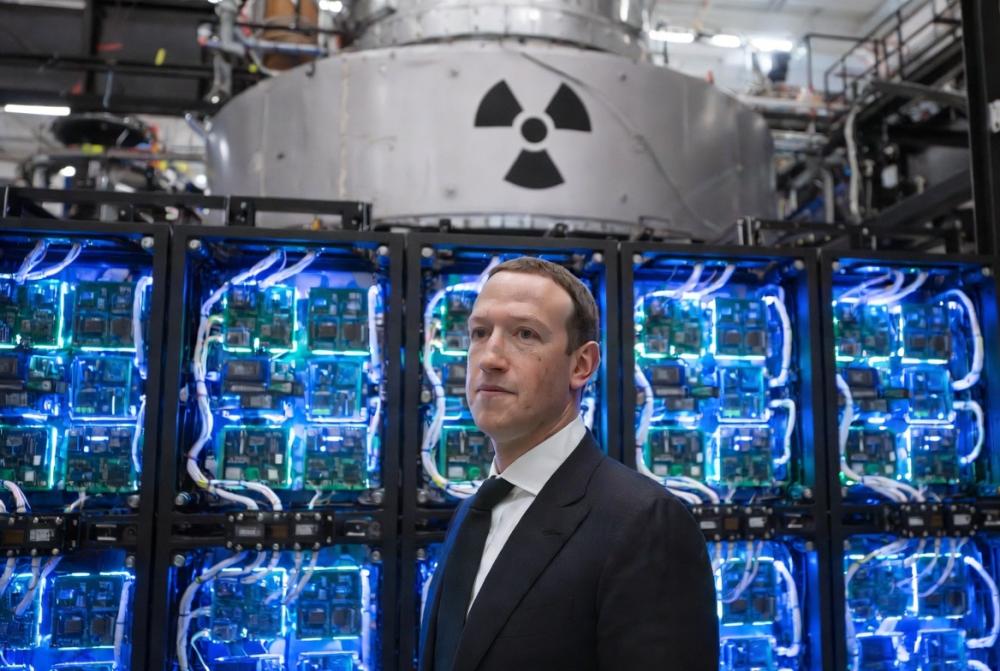
AI“电荒”未解:马斯克“加单”燃气轮机 部分数据中心电网连线需等7年
Xin Lang Cai Jing· 2026-01-10 10:53
Group 1 - In 2026, the AI "power shortage" in the United States remains unresolved, with Texas experiencing a surge in data center load applications, yet only slightly over 1 GW has been approved in the past 12 months, indicating a saturated power grid [1] - xAI has purchased five 380 MW gas turbines from Doosan Energy to power over 600,000 GB200 NVL72 equivalent data centers, with the first two units expected to be delivered by the end of 2026 [1] - Elon Musk acknowledged that power production is a limiting factor for scaling AI systems, emphasizing the underestimated difficulty of increasing power supply, while noting China's advantage in large-scale power supply capabilities [1] Group 2 - Babcock & Wilcox has selected Siemens Energy to provide steam turbine generator sets for an AI data center project, which will supply 1 GW of power [2] - OpenAI has ordered 29 gas turbines, each with a capacity of 34 MW, for its data center in Abilene, Texas, capable of supporting 500,000 GB200 NVL72 chips [2] - Due to supply chain bottlenecks and extended approval times for grid connections, some AI data centers in the U.S. may face wait times of up to seven years, prompting 62% of data centers to consider building their own power facilities [2] Group 3 - The heat recovery boiler is a core component of the gas-steam combined cycle system, improving overall system efficiency from 40% to 55%-60% by recovering high-temperature waste heat [3] - The North American market faces a significant gap in heat recovery boiler supply, driven by the need for combined cycle power plants (CCPP) to address the power shortage [3] - Domestic companies involved in heat recovery boilers include Xizi Clean Energy, Shanghai Electric, Harbin Electric, Dongfang Electric, and Boying Special Welding [3]
苏丹首都每天停电12小时以上 返乡民众恢复生活步履维艰
news flash· 2025-07-27 00:52
Core Viewpoint - The ongoing armed conflict in Sudan has severely damaged the country's infrastructure and social production, leading to a critical shortage of public services, particularly electricity, which hampers the rebuilding process [1] Group 1: Impact of Conflict - The conflict has persisted for over two years, causing devastating losses across all sectors of the electricity industry, including generation, transmission, and distribution [1] - Since October 2024, the Sudanese armed forces have recaptured several areas, allowing many displaced civilians to return home, but the lack of electricity supply remains a significant obstacle to their resettlement [1] Group 2: Current Electricity Situation - In the eastern city of Port Sudan, daily power outages exceed 10 hours, while in the capital Khartoum, outages last between 12 to 16 hours, plunging the city into darkness by 6 PM [1] - The scarcity of electricity has made candles a sought-after commodity, indicating the severity of the power crisis affecting daily life in Sudan [1]