
留学性价比

Search documents
曾经的留学「高奢」,终于开始卷性价比了
36氪· 2026-03-22 13:31
Core Viewpoint - The language testing industry is undergoing significant changes, with a shift towards more cost-effective and user-friendly examination formats, reflecting a broader trend in the study abroad market where families are increasingly focused on value for money [4][22]. Group 1: Changes in Language Testing - Starting January 1, 2026, IELTS exam fees in mainland China have been reduced to below 2000 yuan, marking the first official price drop in 36 years [8][9]. - The TOEFL exam will implement a new adaptive testing format beginning January 21, 2026, which adjusts the difficulty of questions based on the test-taker's performance [7][8]. - The traditional lengthy exam formats are being shortened, with TOEFL's duration reduced from 3.5 hours to 2 hours, reflecting a trend towards more streamlined testing processes [12][13]. Group 2: Market Dynamics and Consumer Behavior - There is a noticeable decline in the investment nature of studying abroad, with families increasingly viewing it as a consumption decision rather than an investment [22][24]. - A survey of over 2000 study abroad families indicates that 66% are now in the "middle to low spending" category, with annual expenditures below 400,000 yuan, a 7% increase from the previous year [24]. - The number of Chinese students studying in the U.S. has dropped to levels not seen in a decade, while more cost-effective destinations like Hong Kong and Canada are gaining popularity [30]. Group 3: Competition and Emerging Alternatives - The Duolingo English Test (DET) has emerged as a competitive alternative to traditional exams, with a focus on efficiency and affordability, appealing to the current needs of students and families [37][39]. - DET has gained significant traction, with over 95% of the top 100 U.S. universities accepting its scores, including all Ivy League schools [43]. - The adaptability of DET's testing format aligns well with the preferences of modern test-takers, making it a preferred choice for many [42].

高性价比留学之路,政策突变
21世纪经济报道· 2025-12-18 06:15
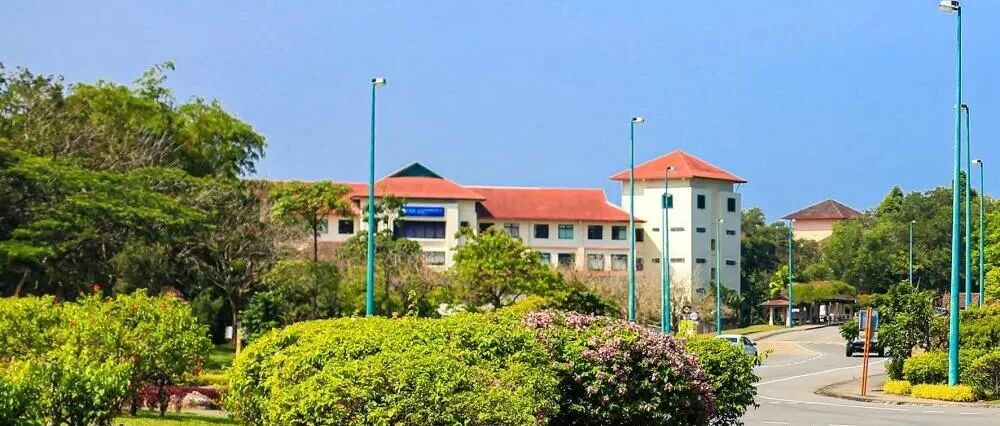
Core Viewpoint - The recent changes in admission policies at the University of Malaya have significantly impacted Chinese students' ability to apply, raising concerns about the accessibility and affordability of studying in Malaysia [3][9]. Group 1: Admission Policy Changes - The University of Malaya announced that starting from October 23, 2025, it will no longer accept international course results such as A-levels and OSSD from Chinese students, requiring them to submit domestic high school graduation certificates and Gaokao scores instead [3][5]. - The admission threshold for Gaokao has been raised to 70% of the total score, which translates to approximately 525 points [9]. - This policy change is a response to the increasing number of Chinese students applying to the university, which has led to heightened competition and a need to maintain academic standards [9][10]. Group 2: Trends in Chinese Students Studying Abroad - The number of Chinese students applying to study in Malaysia has surged, with over 26,735 applications reported, significantly higher than the previous year's total of 12,174 [6]. - Malaysia's appeal lies in its high cost-performance ratio, with annual expenses for studying there estimated at around 100,000 RMB [7]. - The trend reflects a broader diversification in study destinations for Chinese students, with a growing preference for Southeast Asia due to lower costs and favorable living conditions [6][7]. Group 3: Implications of Policy Changes - The tightening of admission standards at the University of Malaya may lead to increased costs for students, particularly those who now need to complete a preparatory course before entering the university [11]. - The preparatory course is expected to cost around 160,000 RMB for one year, which could exceed the total tuition fees for four years of university [11]. - The perception of Malaysia as a "value-for-money" study destination may diminish as costs rise and admission requirements become more stringent [11].
高性价比留学之路,政策突变
2 1 Shi Ji Jing Ji Bao Dao· 2025-12-17 11:47
Core Viewpoint - The recent policy change by the University of Malaya regarding the admission of Chinese students has raised the entry requirements, impacting the accessibility of this high-ranking institution for international students, particularly those from international schools in China [3][4][10]. Group 1: Policy Changes - The University of Malaya will no longer accept A-level, OSSD, and other international course results from Chinese students starting October 23, 2025, requiring them to submit Chinese high school diplomas and Gaokao scores instead [4][10]. - The new admission criteria demand a minimum Gaokao score of 70% of the total score or completion of the university's own foundation program [4][12]. - This policy shift is a response to the increasing number of Chinese students applying and issues related to academic preparedness among some admitted students [3][10][11]. Group 2: Impact on Chinese Students - The number of Chinese students applying to study in Malaysia has surged, with over 26,735 applications reported in the first three quarters of 2025, significantly higher than previous years [6]. - The University of Malaya's high global ranking (58th in the QS World University Rankings) makes it an attractive option for students aiming for further studies in Western countries [5][10]. - The tightening of admission standards may lead to increased costs for students, as many will now need to enroll in foundation programs, which could exceed the cost of four years of undergraduate study [12][13]. Group 3: Market Trends - The trend of Chinese students diversifying their study destinations reflects a more rational approach to studying abroad, considering factors like education quality, costs, and visa stability [8][9]. - Southeast Asian countries, particularly Malaysia and Thailand, are becoming increasingly popular due to their lower costs and favorable admission conditions compared to Western countries [9][10]. - The perception of Malaysia as a "cost-effective" study destination may diminish due to rising tuition fees and living costs associated with the new admission policies [10][13].

美国名校留学,柳暗花明
2 1 Shi Ji Jing Ji Bao Dao· 2025-11-26 08:37
Core Insights - The trend of "increased UK and decreased US" study abroad destinations is becoming more pronounced, with more students opting for the UK, Singapore, and Hong Kong due to uncertainties in the US study environment [1][3] - Despite a decrease in the total number of Chinese students studying in the US, there is a notable rebound in admissions to prestigious US universities, indicating a shift towards top-tier institutions [3][6] Summary by Sections Study Abroad Trends - The application season for studying abroad has begun, with UK universities issuing offers first, while US undergraduate early admissions are about to start [1] - The number of Chinese students studying in the US has decreased to 266,000 for the 2024/25 academic year, a 4.1% decline year-on-year, while the total number of international students in the US has increased by 5% to 1.178 million [3][4] Changes in Admission Patterns - The number of Chinese students admitted to UK universities has significantly increased, with 12,380 students accepted for the 2025 academic year, a 13% rise from the previous year [3][4] - The proportion of Chinese students in R1 universities (top 50 US universities) has increased to 147,000, accounting for approximately 30.1% of the total international student population [6] Polarization in Study Choices - The overall decrease in US study abroad numbers is accompanied by a concentration of students in top-tier universities, indicating a polarization effect where only the most academically qualified students are applying to elite institutions [5][7] - The trend shows that students are increasingly focused on prestigious universities due to their superior research capabilities and post-graduation employment prospects [7] Implications for Educational Institutions - International high schools are facing higher admission standards, needing to attract academically strong students and provide substantial resources for academic management and extracurricular activities [11] - The demand for specialized services from study abroad consulting agencies is increasing, pushing these institutions towards more professional and refined offerings [12] Family Considerations and Market Dynamics - Families are becoming more rational and cost-conscious in their study abroad planning, weighing factors such as education quality, costs, and employment policies across various countries [12][13] - High-net-worth families are less focused on the return on investment from studying abroad, prioritizing their children's growth and development instead [13]
中产养娃“销金窟”,又涨价了
虎嗅APP· 2025-09-23 13:59
Core Viewpoint - The rising tuition fees of international schools in China are leading to a growing disillusionment among middle-class parents, who are questioning the value of such education against the backdrop of stagnant salaries and increasing costs [5][8][34]. Summary by Sections Tuition Fee Increases - Many international schools in major cities like Beijing and Shanghai have announced significant tuition hikes, with some schools increasing fees by as much as 35% [10][14]. - For instance, the tuition for high-grade levels at the prestigious Dulwich College in Shanghai has reached nearly 400,000 RMB, while Beijing's Keystone Academy has raised fees by around 10,000 RMB, bringing total annual costs to over 430,000 RMB [11][13]. Additional Costs - Tuition is only a part of the overall expenses; families also incur costs for meals, uniforms, extracurricular activities, and transportation, which can add tens of thousands of RMB annually [15][16]. - For example, transportation fees can reach up to 23,000 RMB per year, and uniform costs can be around 5,000 RMB [17]. Economic Pressures and School Operations - The financial sustainability of international schools is under pressure due to rising operational costs and declining birth rates, which affect student enrollment [30][31]. - Reports indicate that several international schools have faced financial difficulties, leading to closures or significant operational changes [31]. Educational Value and Market Dynamics - Despite the high costs, many parents feel that the quality of education does not justify the expenses, leading to a perception of diminishing returns on investment in international schooling [22][43]. - The narrative around elite education is shifting, with parents reconsidering the value of international schooling as the job market becomes more competitive and the prestige of foreign degrees diminishes [41][46]. Future Trends - As tuition fees continue to rise, a divide is emerging among middle-class families, with some opting for domestic education paths while others pursue expensive international options [34][46]. - The trend suggests a potential shift towards more cost-effective international education solutions, such as schools in Southeast Asia, as families seek to balance quality education with financial feasibility [46][47].

留学生们的阶层滑落
投资界· 2025-02-17 01:33
以下文章来源于十点人物志 ,作者洋平 三金 十点人物志 . 在这里,遇见每一个值得被记录的人 出国后的他们。 采访、撰文 | 洋平 编辑|三金 野格 来源 | 十点人物志 (ID:sdrenwu) "请来帮我吵个架。" 一个英国留学生发消息给"Toni的福"(以下简称Toni)求助。等Toni赶到对方所在的 健身房,才弄清楚状况,原来仅仅是健身房的会员卡出了一些小问题,工作人员态度也 好,没有一点吵架的气势。只是求助的女生听不懂,只好找外援。 Toni用流利的英语与工作人员沟通,解决了健身卡的问题。过程中,那个求助的学生一 直窝在门厅的沙发里玩手机,等待问题解决。 Toni经常收到类似请求。他们大多曾是她的雅思学生,刚来英国念书,人生地不熟,大 事小事都找她帮忙。学生家长也会雇佣她当陪读,关照自家孩子在异国的生活。Toni服 务内容包括但不限于帮他们订餐厅、改论文,陪他们购物、旅游。 2022年从格拉斯哥大学(一所英国公立大学)毕业后,我就留在英国当雅思老师。学生 和家长知道我在英国生活,当他们来留学时,就会拜托我帮些小忙。久而久之,我成了 陪读。 大多数都是些跑腿的小事,帮忙买个东西、陪着逛逛学校等等,她也 ...