直播电商产业升级

Search documents
逃离杭州的网红,下一站在哪儿?
投中网· 2025-12-24 06:19
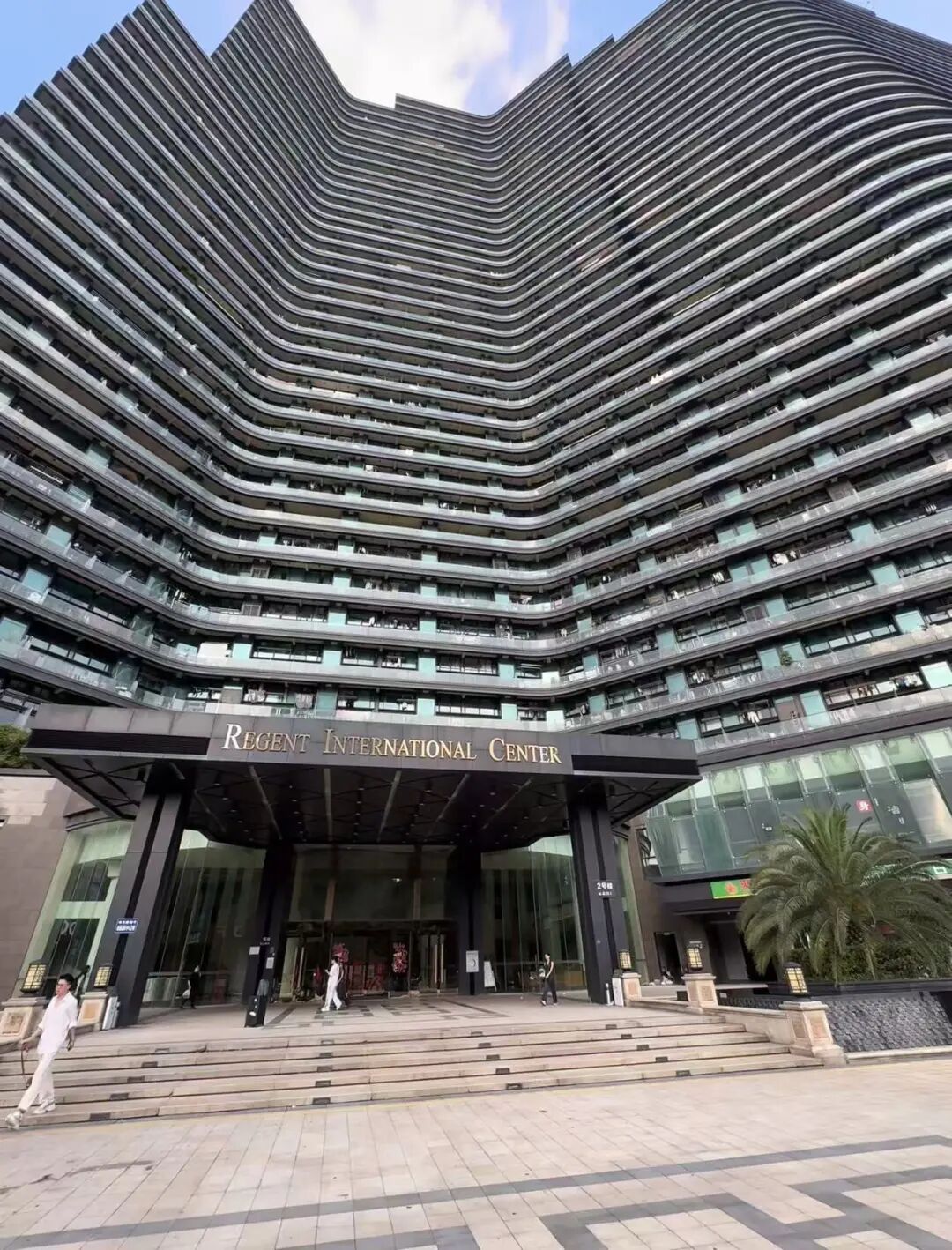
Core Viewpoint - The "myth" surrounding the live-streaming e-commerce hub, Lijing International, is collapsing as the number of residents and rental prices plummet, reflecting broader changes in the live-streaming industry and the survival status of small to medium-sized streamers [4][6][8]. Group 1: Current State of Lijing International - Lijing International, once a symbol of the live-streaming boom in Hangzhou, has seen its resident numbers drop to around 8,000, with nearly 200 units available for rent [6][7]. - Rental prices have significantly decreased, with previously high rents of 4,500 yuan now listed as low as 1,200 yuan [6][7]. - The decline in rental prices began in 2021, marking a turning point for the building's rental market, with annual decreases of approximately 10% since then [7]. Group 2: Changes in the Live-Streaming Industry - The demand for live-streamers in Hangzhou peaked a few years ago, leading to a surge in recruitment by MCN agencies and platforms [10][11]. - The majority of new entrants were entertainment streamers, who have a shorter lifecycle compared to e-commerce streamers, leading to a higher turnover rate in the industry [12]. - The landscape has shifted, with platforms now prioritizing content production capabilities over mere streaming skills, reflecting a fundamental change in traffic logic [15][16]. Group 3: Evolving Roles and Opportunities - The industry is transitioning from a broad expansion phase to a more structured, vertically integrated model, where opportunities are not evenly distributed [20][21]. - Vertical specialization is becoming crucial, with successful streamers needing to focus on niche markets rather than broad categories [22][23]. - New roles such as "product managers" are emerging, where streamers are directly involved in product design and brand storytelling, aligning with brands' long-term strategies [24][25]. Group 4: Future Outlook - The live-streaming ecosystem is expected to evolve into a model characterized by multi-layered collaboration and service differentiation [26]. - Hangzhou remains a central hub for live-streaming, with significant transaction volumes projected for the year, indicating ongoing growth despite the challenges faced by individual streamers [27][28].


逃离杭州的网红,下一站在哪儿?
3 6 Ke· 2025-12-22 09:20
Core Viewpoint - The "anchor evacuation" incident at the Lijing International Building in Hangzhou highlights the decline of the live-streaming e-commerce industry, reflecting broader changes in the market and the challenges faced by small to medium-sized anchors [1][5][34] Group 1: Current Situation of Lijing International - The Lijing International Building, completed in 2015, was once a symbol of Hangzhou's live-streaming e-commerce boom, housing around 20,000 live-streamers at its peak [2][10] - Recent reports indicate that the number of residents has dropped to approximately 8,000, with rental prices for single rooms plummeting from a peak of 4,500 yuan to as low as 1,200 yuan [4][7] - The decline in rental prices began in 2021, with an annual decrease of about 10% since then, indicating a long-term trend rather than a sudden collapse [6][7] Group 2: Changes in the Live-Streaming Industry - The live-streaming industry is experiencing a shift from a focus on quantity to a more structured, vertical approach, with a growing emphasis on specialized anchors [25][34] - The demand for entertainment anchors has decreased, leading to a higher survival rate for e-commerce anchors, who now face stricter entry requirements [13][14] - Platforms are increasingly prioritizing content quality and user engagement metrics over mere traffic, which disadvantages smaller anchors who relied on volume [20][21] Group 3: Future Opportunities and Challenges - The industry is moving towards a model where specialized anchors, or "main operators," who can articulate product value and brand stories will have a competitive edge [30][31] - The shift towards brand self-broadcasting is expected to continue, with brands seeking to establish long-term relationships with consumers rather than relying solely on influencer marketing [22][23] - The restructuring of roles within the live-streaming ecosystem suggests that while opportunities may diminish for generalist anchors, niches in specialized categories will likely see growth [28][32]
直播天地的“杭州引力”
Hang Zhou Ri Bao· 2025-12-12 02:27
Core Insights - The article highlights the transformation of Hangzhou into a leading hub for live-streaming e-commerce, with a clear goal set for 2027 to establish a high-quality platform economy development system [3][13]. Group 1: Industry Growth and Development - Hangzhou's live-streaming e-commerce industry has seen significant growth, with 4.86 million live-streaming sessions and a transaction volume of 364 billion yuan from January to October 2025, projected to exceed 420 billion yuan for the entire year [8]. - The city has established a complete industrial chain involving over 15,000 market entities related to live-streaming, including platforms, supply chains, and MCN organizations [12]. - The local government is actively supporting new consumption and brand development, contributing to the sustained growth of domestic brands [7][12]. Group 2: Individual Success Stories - The article features the journey of a successful live-streamer, Xiao Wu, who transitioned from selling fruit to becoming a top seller for multiple brands, demonstrating the potential for personal growth within the industry [5][14]. - Other entrepreneurs, such as Li Jing and Zhang Zipin, have successfully expanded their brand from fur to a full seasonal women's clothing line by relocating their production to Hangzhou, achieving significant sales milestones [6]. - Lin Yilun, a well-known live-streamer, has shifted his focus from merely selling products to sharing cultural stories, enhancing the viewer experience and deepening the connection with the audience [10][11]. Group 3: Strategic Shifts and Future Outlook - The live-streaming e-commerce sector in Hangzhou is moving from a phase driven by traffic to one focused on innovation and quality improvement [12]. - The city's strategic plans, including the "New E-commerce Capital Action," aim to create broader development opportunities for the live-streaming industry [13]. - The influx of top influencers and celebrities into Hangzhou reflects the city's growing significance in the live-streaming landscape, indicating a strong "siphoning effect" that attracts talent and investment [12].