真房源

Search documents
小红书上的假房源
经济观察报· 2025-11-21 12:07
Core Viewpoint - The article highlights the prevalence of fake real estate listings on platforms like Xiaohongshu, where many low-priced properties advertised are either sold or non-existent, serving primarily as bait to attract user traffic [1][3]. Group 1: Fake Listings - Numerous listings on Xiaohongshu feature attractive prices for properties in prime locations, but upon inquiry, most are either already sold or do not exist, with agents redirecting inquiries to other projects [2][3]. - The issue of fake listings has been a long-standing problem in the real estate industry, with historical data indicating that up to 90% of listings were false before the introduction of the "true listing" system by Lianjia in 2011 [3]. - Despite improvements in transparency due to the "true listing" initiative, platforms like Xiaohongshu and Douyin have seen a resurgence of fake listings due to a lack of regulatory oversight, with individuals and agents exploiting these platforms [3]. Group 2: User Engagement Tactics - Agents often use a consistent strategy to attract users by advertising low-priced properties in central areas, only to later claim these listings are "reserved" and redirect users to properties located further out [8]. - Listings are frequently deleted and reposted to maintain an appearance of authenticity, complicating users' ability to assess the credibility of the information [8]. Group 3: Industry Response - Major real estate agencies, including those within the Beike system, have also been implicated in using misleading tactics to generate leads, with agents posting listings that do not reflect actual available properties [10][11]. - The article emphasizes that the core issue is not just the existence of fake listings but the intent behind them, as many listings are used solely for lead generation rather than genuine sales [16].


小红书上的假房源
Jing Ji Guan Cha Wang· 2025-11-21 10:29
Core Insights - The article highlights the prevalence of fake real estate listings on platforms like Xiaohongshu, where many listings are used as bait to attract potential buyers, often leading to misleading interactions [2][3][4] - Despite the establishment of a "true listing" system by companies like Lianjia (Beike), the issue of fake listings persists, particularly on user-generated content platforms that lack stringent regulation [3][14] - The article discusses the tactics used by agents to lure clients with attractive listings that do not exist or have already been sold, ultimately redirecting them to other properties [8][10] Group 1: Fake Listings - Numerous listings on Xiaohongshu are found to be either sold or non-existent, serving primarily as a marketing tool for agents [2][4] - The historical context reveals that up to 90% of listings were fake in the past, but initiatives like Lianjia's "true listing" system have improved transparency in the industry [2][13] - Agents often use low-priced listings to generate interest, only to pivot to properties located further from the city center, creating a cycle of misleading marketing [8][10] Group 2: Industry Response - The article notes that even agents from established companies like Beike are engaging in similar practices, using low-priced listings to attract clients [10][11] - The lack of a robust verification system on platforms like Xiaohongshu contributes to the ongoing issue of fake listings, as there is no accountability for the information shared [15] - The article emphasizes that the core issue is not just the existence of fake listings, but their use as a tool for client acquisition rather than genuine sales [14]

许家印做不到的,左晖或许可以
Hu Xiu· 2025-07-31 12:37
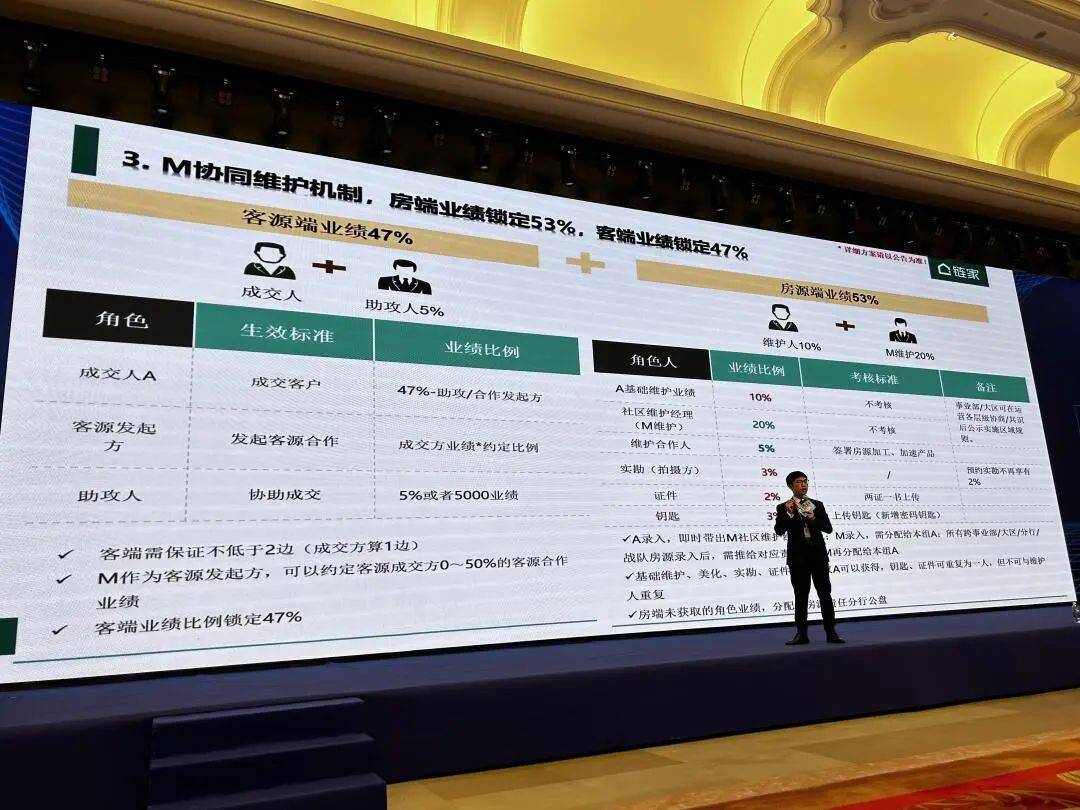
Core Insights - The article discusses the legacy of key figures in the real estate industry, particularly focusing on the impact of Left Hui and the current challenges faced by Peng Yongdong, the CEO of Beike, in maintaining the company's values and performance after Left's passing [1][2][4]. Group 1: Leadership and Legacy - Left Hui is recognized as the only acknowledged leader in the real estate transaction service sector, despite the presence of other prominent developers [2]. - Peng Yongdong faces the challenge of proving that Left's spirit and values continue to thrive within Beike, especially during a period of significant transformation [5][11]. - The comparison between Peng and Left creates pressure for Peng, as Left is seen as a spiritual icon for the industry [4][5]. Group 2: Business Model and Transformation - Beike's recent "tenant separation" policy aims to enhance operational efficiency by splitting roles between sourcing properties and client development, reflecting a response to market changes [16][17]. - The policy is a reaction to structural changes in the market, such as an increase in property listings and a decrease in average transaction prices, necessitating a more specialized approach to real estate transactions [19][20]. - The initial implementation of the policy has faced challenges, with slow progress reported in the early months [13][22]. Group 3: Financial Performance and Employee Sentiment - Despite a challenging market, Beike reported significant growth in transaction volume and revenue, with a 34% year-on-year increase in total transaction value in Q1 2025 [71]. - However, employee dissatisfaction has risen due to drastic reductions in base salaries and commission structures, leading to a perception of exploitation [62][65]. - Peng Yongdong's substantial salary increase post-Left's death has drawn criticism, especially in light of the company's struggles and employee pay cuts [61][66]. Group 4: Industry Challenges and Criticism - Beike's commission structure has come under scrutiny, with reports of high fees imposed on developers and franchisees, raising concerns about fairness and transparency [73][74]. - The integrity of Beike's "true source" initiative is questioned, as reports of false listings and data manipulation have surfaced, undermining the company's foundational promises [77][81]. - The article highlights a growing disconnect between the company's operational practices and the original vision of creating a healthy work environment and improving consumer experiences [83].