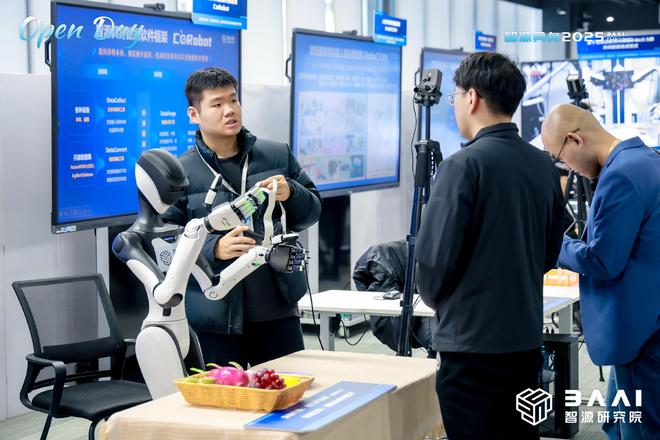
真机数据与仿真数据路线之争

Search documents
具身智能商业化大单“含金量”几何?从业者也看不明白
Nan Fang Du Shi Bao· 2025-11-23 05:50
Core Insights - The embodied intelligence robotics industry has seen significant commercial orders in the second half of this year, creating an optimistic outlook, but there are concerns about the authenticity of these orders and whether they address real problems [1][2] - Industry experts emphasize the need for companies to focus on genuine user demands and to refine specific scenarios to ensure sustainable demand and avoid potential market bubbles [1][2] Group 1: Industry Concerns - Questions have been raised about whether the current orders in the robotics sector are driven by real needs or merely by superficial demands, which could lead to a downturn if expectations are not met [1][2] - Experts suggest that government support should focus on policy guidance rather than directly creating demand, as true demand originates from businesses and users [1] Group 2: Technological Challenges - Despite the push for commercialization, the technology behind embodied intelligence remains immature, with companies facing challenges in both hardware and software development [3][4] - Hardware issues include overheating joints, low torque density, and limited computational power, which hinder the transition of robots into real industrial and domestic applications [4] - Software development is seen as a non-linear challenge, with uncertainties about when significant breakthroughs will occur, potentially taking years [4][5] Group 3: Data and Model Training - There is an ongoing debate in the industry regarding the importance of data quality versus quantity, with some companies advocating for high-quality real-world data while others emphasize the role of simulation data [5] - The high costs associated with training embodied intelligence models pose a significant barrier for many startups, leading them to seek partnerships with research institutions for support [5][6] Group 4: Future Outlook - Experts recommend that companies focus on developing specialized models for specific scenarios to achieve high accuracy and reliability before attempting broader applications [6] - The emphasis is on surviving potential market downturns to eventually reach a more advanced stage of embodied intelligence [6]