石油战略

Search documents
美国绞尽脑汁围堵中国,盯上伊朗石油命脉,这盘大棋早已昭然若揭
Sou Hu Cai Jing· 2026-02-22 06:38
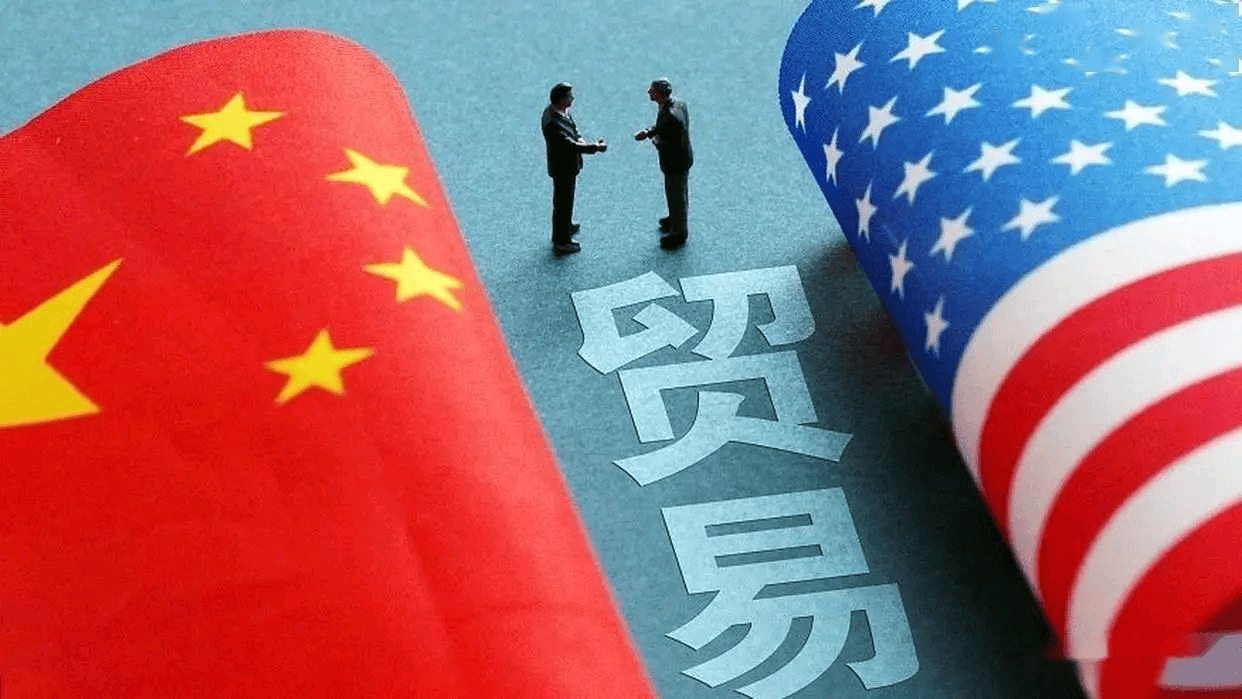
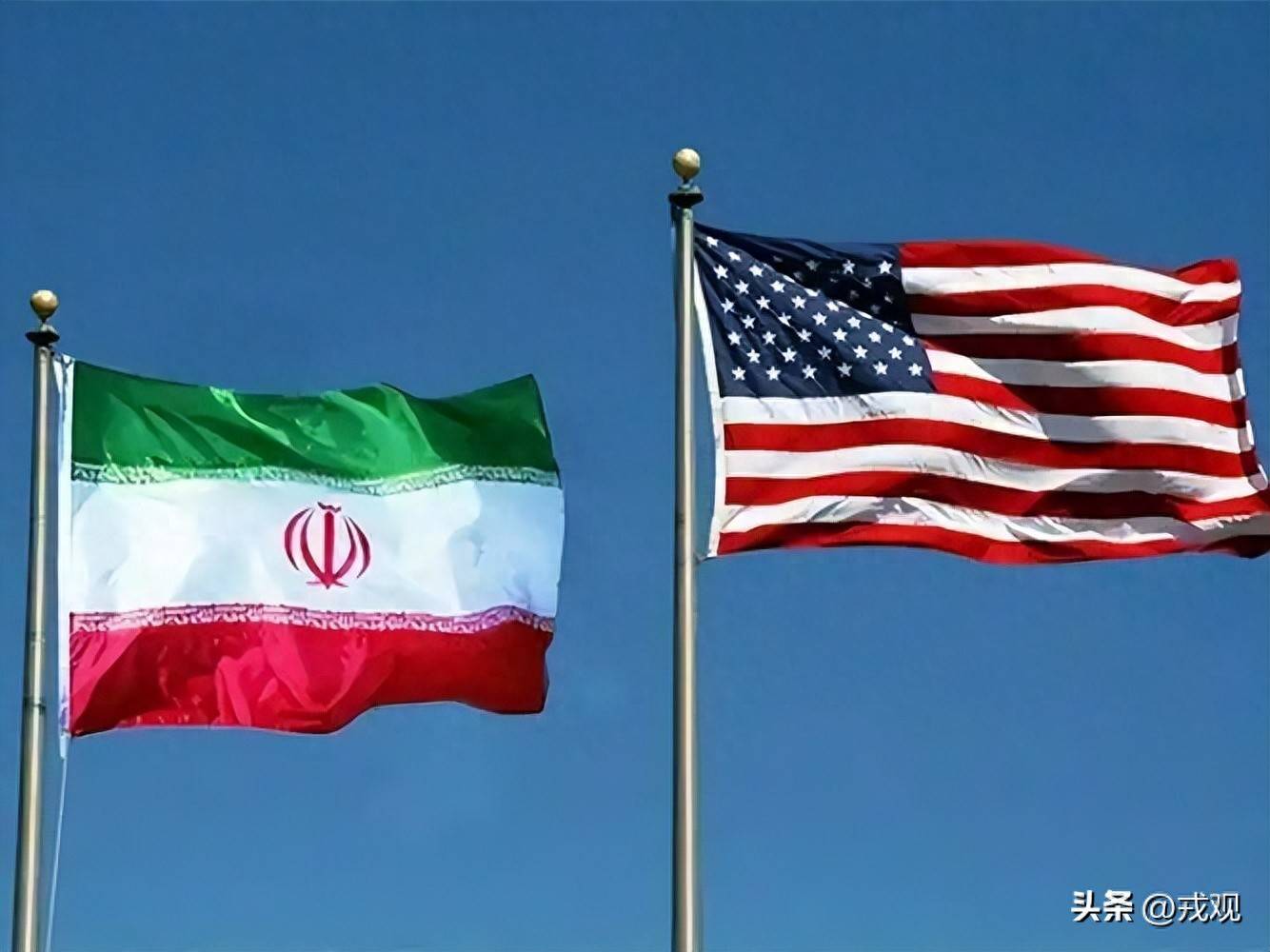
Group 1 - The core objective of the U.S. actions against Iran is to disrupt China's oil supply chain, thereby slowing down China's economic development [4][11][13] - The U.S. perceives Iran as a critical strategic point in its broader strategy to contain China's growth, indicating that any stability in Iran-China relations is unacceptable to the U.S. [6][7] - The U.S. may resort to military action if other methods fail, aiming to control or destroy Iran's oil resources to cut off China's supply [9][11] Group 2 - The U.S. strategy is characterized by a clear intent to weaken China's economic momentum and disrupt its rise, with oil playing a crucial role in this plan [11][13] - The U.S. believes that controlling Middle Eastern oil will significantly hinder China's development, reflecting a misguided sense of superiority in its hegemonic approach [13] - China has firmly stated that its national interests are inviolable, and any attempts to obstruct its progress will ultimately fail [13]

美国警告中国别买俄罗斯石油,中国如何应对?
Sou Hu Cai Jing· 2025-08-03 07:49
Core Viewpoint - The article discusses the warnings from the United States and the European Union to China regarding the purchase of Russian oil, emphasizing the need for China to assert its own interests in the face of external pressures [3]. Group 1: Geopolitical Context - The U.S. and EU have threatened to impose tariffs on China to deter its purchase of Russian oil, indicating a significant geopolitical tension [3]. - China is portrayed as adhering to an independent foreign policy, resisting interference in its economic decisions by Western powers [3]. Group 2: Strategic Implications for China - The article suggests that China must prioritize its oil import strategy and overall resource procurement in light of external threats from the U.S. and EU [3]. - It argues that China should continue to purchase Russian oil as a matter of national interest, regardless of U.S. opposition [3]. Group 3: Economic Considerations - The need for China to prepare for potential economic coercion from the West is highlighted, particularly in relation to imports of oil, minerals, and food [3]. - The article emphasizes that China should develop a strategic layout for its major imports to mitigate risks associated with Western pressures [3].