社交电商裂变

Search documents
洋河股份:年轻、高端与防伪 白酒线上破局关键词
Bei Jing Shang Bao· 2025-05-21 16:42
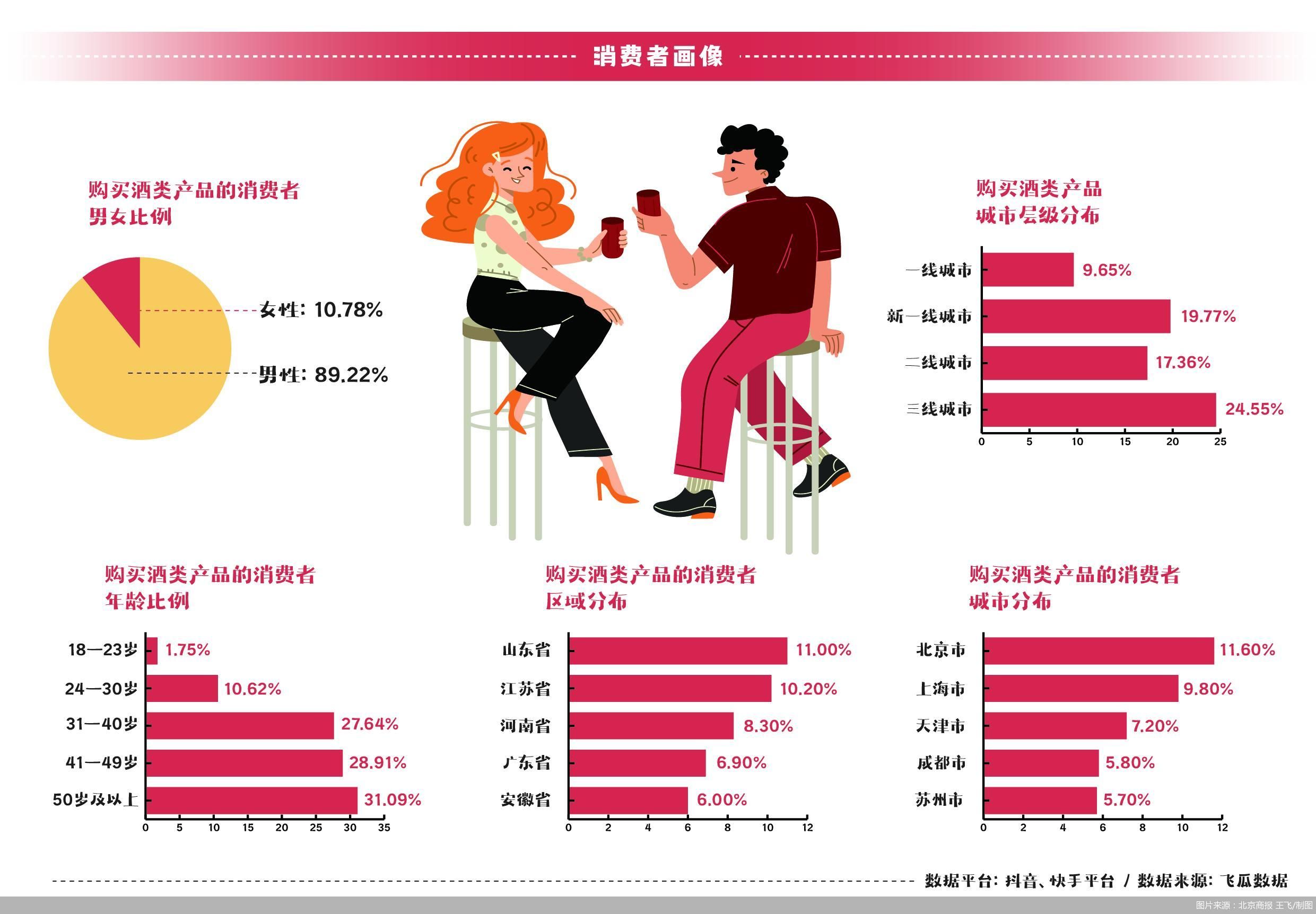
Core Insights - The white liquor industry is focusing on digital consumption trends, emphasizing youth engagement, premiumization, and anti-counterfeiting technology as key strategies to penetrate the online market [1] - Companies like Yanghe are leveraging IP collaborations and customized gift boxes to enhance user loyalty while also creating cost-effective products to attract a broader consumer base [1] - The rise of social e-commerce is identified as a potential new growth engine for the industry, necessitating continuous optimization of product structure and trust systems to capture online market opportunities [1] Group 1: Online Channel Significance - Online channels serve as a strategic supplement to traditional sales for white liquor companies, enabling nationwide and global reach while expanding the consumer base [3] - The use of big data allows for precise targeting of potential customers, enhancing marketing effectiveness through tailored product recommendations [3] - Online platforms cater to modern consumers' need for convenience, allowing purchases anytime and anywhere, and showcasing a full range of products for easy comparison [3] Group 2: Consumer Profile Changes - The average education level of consumers is rising while their average age is decreasing, prompting companies to adapt their product design and marketing strategies accordingly [4] - Yanghe has focused on young consumer engagement through product design adjustments and targeted promotions, resulting in increased brand loyalty and healthy online sales growth [4] Group 3: Balancing Product Layout - Companies must conduct market research to understand consumer demands for both premium and cost-effective products, utilizing online data to analyze purchasing motivations and consumption scenarios [5] - High-end products should emphasize quality and cultural heritage, while cost-effective brands need to maintain a friendly image to enhance perceived value [5] Group 4: Building Trust and Counterfeit Challenges - To build consumer trust, companies should enhance brand development, provide detailed product information, and improve after-sales service [6] - Companies are adopting advanced anti-counterfeiting technologies and collaborating with e-commerce platforms to monitor and combat counterfeit products effectively [6] Group 5: Live Streaming and Sales Strategy - Companies should ensure reasonable product pricing in live streaming sales while reinforcing brand value and maintaining alignment with offline channels [7] - Developing exclusive online products can differentiate from offline offerings and meet diverse consumer needs [7] Group 6: Future Growth Points - The next growth point for online white liquor consumption is expected to be in social e-commerce, leveraging platforms like WeChat, Douyin, Kuaishou, and Xiaohongshu for rapid brand awareness and sales growth through social sharing and live streaming [8]


寻找消费力|白酒消费力鏖战线上
Bei Jing Shang Bao· 2025-05-21 14:59
Core Insights - The online market for liquor is expanding rapidly, driven by changing consumer habits and the adoption of new sales channels such as live streaming and social media marketing [1][2][3] - Major liquor brands are focusing on building trust with consumers by addressing issues related to counterfeit products and after-sales service [1][4][6] Group 1: Online Sales Growth - The online sales revenue for major liquor companies in 2024 includes Guizhou Moutai at 22.119 billion yuan, with its "i Moutai" platform contributing 20.024 billion yuan [1] - Other brands like Wuliangye, Yanghe, Luzhou Laojiao, and Shanxi Fenjiu reported online sales of 4.404 billion yuan, 0.394 billion yuan, 1.479 billion yuan, and 2.105 billion yuan respectively [1] - Live streaming has become the largest online sales channel, accounting for 38% of sales, surpassing online malls at 35% [2] Group 2: Consumer Trust and Challenges - Consumers express concerns over product authenticity and after-sales service when purchasing liquor online, with a significant number of complaints related to these issues [4] - The number of complaints related to liquor on the Black Cat Complaints App reached 348,000, primarily concerning after-sales service [4] - The rise of "price hiking and then discounting" tactics has made consumers cautious about online purchases [4] Group 3: Strategic Shifts in Marketing - Liquor companies are shifting from merely relying on low-price promotions to creating a closed-loop system of "public domain traffic + private domain retention" [3] - The focus is on enhancing brand influence through social e-commerce and user sharing, with a notable trend towards targeting younger consumers [2][5] - Companies like Yanghe are adjusting product designs and marketing strategies to cater to a younger, more educated consumer base [10][12] Group 4: Technological Innovations - Innovations such as blockchain traceability and holographic anti-counterfeiting technologies are being implemented to enhance product authenticity verification [6] - The establishment of a transparent supply chain is essential for building consumer trust in the online liquor market [6] Group 5: Future Growth Opportunities - The next growth phase for online liquor consumption is expected to come from social e-commerce and digital experience innovations [14] - Companies are encouraged to explore strategies that integrate online and offline channels to leverage their respective market advantages [13]