社区化小店

Search documents
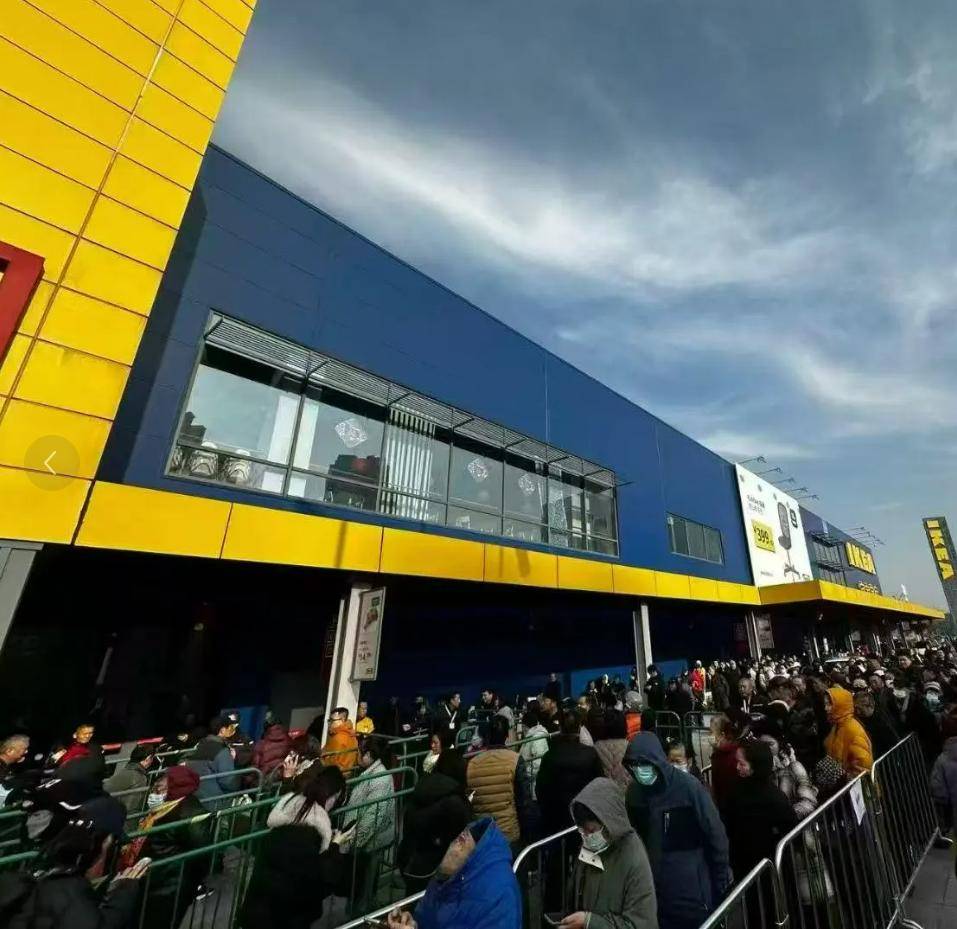
宣布闭店后的宜家人满为患 但打折活动15日才开启
Sou Hu Cai Jing· 2026-01-10 13:22
Core Viewpoint - IKEA is undergoing a significant strategic transformation in response to declining sales and changing consumer behaviors, moving away from large-scale expansion to focus on community-based smaller stores and online retail [1][19]. Group 1: Store Closures and Consumer Reactions - IKEA announced the closure of seven stores in China, including locations in Shanghai, Guangzhou, and Ningbo, effective February 2 [4][8]. - Following the announcement, there was a surge in customer traffic at the remaining stores, with long queues and crowded aisles as consumers rushed to take advantage of clearance sales starting January 15 [5][6]. - Many customers expressed nostalgia and shared memories associated with IKEA, highlighting its role as a significant part of their lives beyond just a shopping destination [5][10]. Group 2: Financial Performance and Market Challenges - IKEA's global revenue declined by 5.5% to €41.864 billion in 2024, while IKEA China's sales dropped from a peak of ¥15.77 billion in 2019 to approximately ¥11.15 billion in 2024, a nearly 30% decrease [19][20]. - The traditional drivers of the home goods market, such as new housing deliveries and large-scale renovations, are diminishing, impacting sales [20]. - The rise of local brands offering competitive pricing and tailored designs has intensified competition, with IKEA falling to seventh place in the Tmall furniture sales rankings during the 2024 Double Eleven shopping festival [20][21]. Group 3: Strategic Shift and Future Plans - IKEA is shifting its strategy to focus on smaller, community-oriented stores and enhancing its online presence, with plans to open over ten small stores in key cities like Beijing and Shenzhen in the next two years [21]. - The company aims to adapt to the evolving market by optimizing costs and improving efficiency, indicating a proactive approach to its transformation rather than a reaction to financial distress [19][21]. - The transition reflects broader trends in retail, where large-format stores are being replaced by smaller, more accessible formats to meet changing consumer preferences [21].

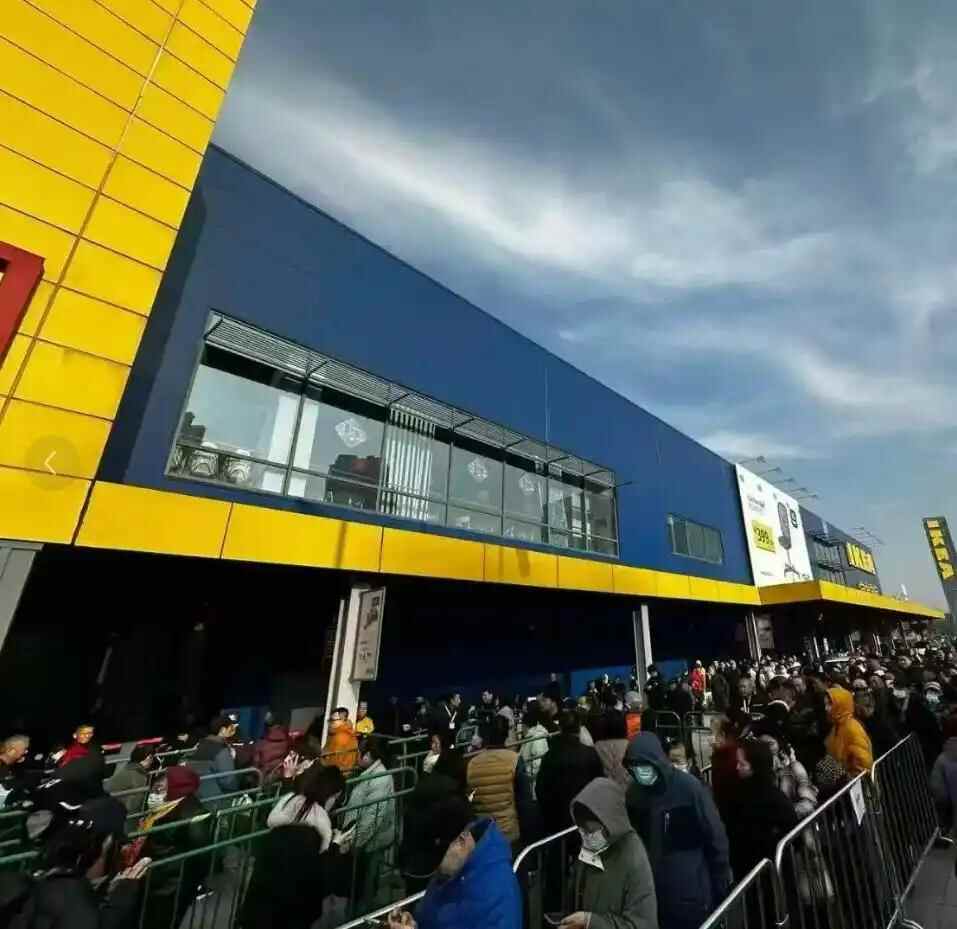
宣布闭店后的宜家人满为患
Sou Hu Cai Jing· 2026-01-10 00:55
Core Viewpoint - IKEA is undergoing a significant strategic transformation in China, moving away from large-scale expansion to focus on community-based small stores and online instant retail, prompted by declining sales and changing consumer habits [6][8][10]. Group 1: Store Closures and Consumer Response - IKEA announced the closure of seven stores in China, including locations in Shanghai, Guangzhou, and Ningbo, effective February 2 [4]. - Following the announcement, there was a surge in customer traffic at the remaining stores, with long queues and crowded aisles as consumers rushed to take advantage of the clearance sales starting January 15 [5][6]. - The closures have sparked nostalgia among consumers, who associate IKEA with personal memories and experiences, highlighting its role as a community space beyond just a furniture retailer [4][5]. Group 2: Financial Performance and Market Dynamics - IKEA's parent company, Ingka Group, reported a 5.5% decline in global revenue to €41.864 billion for the fiscal year ending August 2024, while IKEA China's sales dropped nearly 30% from a peak of ¥15.77 billion in 2019 to approximately ¥11.15 billion in 2024 [6][8]. - The traditional drivers of the home furnishings market, such as new housing deliveries and large-scale renovations, are diminishing, impacting sales [7]. - Changing consumer behavior, particularly among younger generations who prefer online shopping and efficient purchasing, has challenged IKEA's traditional large store model [7][8]. Group 3: Competitive Landscape and Strategic Shift - Local brands in China are gaining market share, with IKEA ranking seventh in sales during the 2024 Double Eleven shopping festival, behind brands like Yuan Shi Mu Yu and Lin Shi Home [8]. - These local competitors offer more flexible supply chains, designs that resonate with local aesthetics, and competitive pricing, making IKEA's traditional self-service model less appealing [8]. - In response, IKEA plans to open over ten small-format stores in key cities like Beijing and Shenzhen over the next two years, marking a shift towards a "small but beautiful" community store model [8][10].