私募股权融资

Search documents
【锋行链盟】伦交所上市公司定向增发流程及核心要点
Sou Hu Cai Jing· 2026-02-26 07:12
Core Viewpoint - The core logic of private placements for companies listed on the London Stock Exchange (LSE) is to efficiently raise funds from qualified investors within a compliance framework, balancing financing efficiency with investor protection [2][9]. Regulatory Framework - Private placements are subject to the LSE Listing Rules, EU Market Abuse Regulation, and FCA regulations, focusing on balancing financing efficiency and investor protection [2][5]. Process Steps - The process includes preparation, internal decision-making, document preparation, investor confirmation, regulatory filing, and settlement [3][4][6]. Key Regulations - Key regulations include: 1. LSE Listing Rules Chapter 10 (Equity Issuance) for information disclosure and pricing [5] 2. LSE Listing Rules Chapter 7 (Share Capital Changes) for shareholder approval [5] 3. EU Prospectus Regulation for larger issuances requiring a prospectus [5] 4. FCA Market Integrity Rules to prevent insider trading [5] Investor Selection - Qualified investors include institutional investors and high-net-worth individuals, reducing the disclosure burden as they are deemed capable of assessing investment risks [6][7]. Pricing Mechanism - The pricing is typically based on market price discounts, adhering to a minimum pricing rule that prohibits pricing below 90% of the average closing price over the last five trading days [6][7]. Dilution Effects - Private placements increase share capital, diluting existing shareholders' equity and earnings per share (EPS), which must be quantified and disclosed in the information memorandum [6][7]. Related Party Transactions - Stricter regulations apply to transactions involving related parties, requiring independent financial advisor opinions and special resolutions from shareholders [6][7]. Lock-Up Period - Shares acquired by related parties must be locked for six months post-issuance, while other investors may have voluntary lock-up arrangements [6][7]. Information Disclosure - The information memorandum must be accurate, complete, and free from misleading statements, ensuring transparency for investors [6][7]. Role of Underwriters - Underwriters, typically investment banks, assist in finding qualified investors, negotiating terms, and preparing documents, charging fees of 1%-3% of the issuance amount [9].


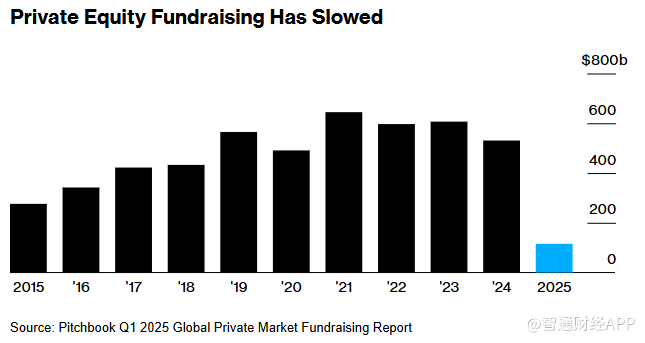
解码私募股权融资与估值——安永助力科创企业资本破局
Sou Hu Cai Jing· 2025-09-23 12:36
Core Insights - The workshop organized by Hong Kong Science Park and EY focused on addressing the financing challenges faced by tech startups, aiming to help them overcome capital barriers [2][12] - EY's experts provided a comprehensive solution from financing strategies to valuation, emphasizing the importance of selecting the right investors and paying attention to detail in agreements [4][5][6] Group 1: Financing Strategies - The workshop highlighted the importance of choosing the most suitable investors, as different investor groups have varying demands and expectations [4] - Startups were advised to meticulously review all terms and conditions in agreements to avoid potential disputes [5] - Engaging professional advisors early in the financing process was recommended to leverage their expertise across legal, financial, and strategic dimensions [5] Group 2: Valuation Methods - Valuation is a critical aspect of financing transactions, with common methods including cost approach, income approach, and market approach [8] - The application of these valuation methods should consider the specific characteristics of the startup to establish a solid foundation for negotiations [9] - The combination of scientific frameworks and artistic judgment is essential in determining the appropriate valuation parameters [9] Group 3: One-on-One Consultations - The event included one-on-one consultations where startups could engage with EY experts to address specific challenges, such as finding investors and improving financial reporting quality [11] - Participants expressed appreciation for EY's comprehensive support, which they previously thought was only available to larger enterprises [12] - The workshop concluded with a commitment from EY to continue supporting tech startups in leveraging capital to enhance their technological capabilities [12]
不确定性阴云笼罩 私募股权融资暴跌
智通财经网· 2025-05-27 12:44
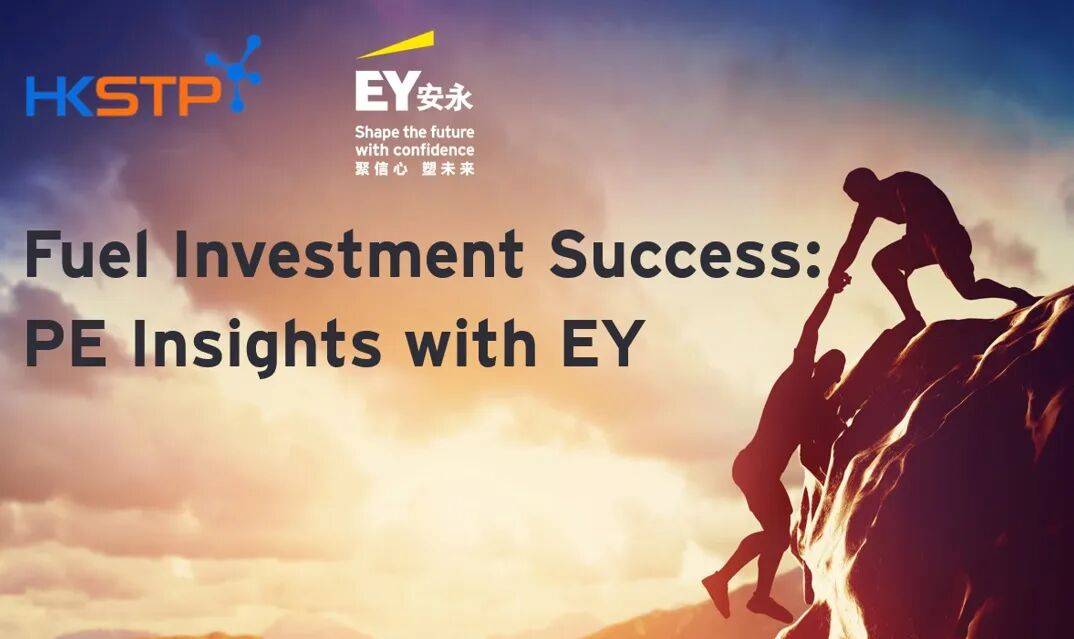
Group 1 - Private equity fundraising has significantly declined, with a year-on-year decrease of 35% to $116 billion in the first three months of the year, indicating the impact of slowed deal-making and IPOs on the industry [1] - The total fundraising for private equity is expected to fall below $531 billion in 2024, which is already lower than levels seen in previous years [1] - Moody's has indicated that private equity sponsors will face challenges in supporting and exiting investments due to uncertainty affecting business confidence and delaying investments [4] Group 2 - Many companies are experiencing cash flow pressures due to leveraged buyouts that occurred in 2021 and 2022 when interest rates were lower and valuations were higher [4] - Secondary market strategies have seen a significant increase in fundraising, reaching $52.1 billion, nearly half of the total expected for 2024 [4] - Venture capital fundraising remains weak at $18.7 billion, potentially making 2025 the lowest year for venture capital fundraising in over a decade [4] Group 3 - Real estate funds raised $19 billion, showing a slight increase from early 2024, but still far from historical highs due to ongoing performance and liquidity issues [4] - The commitment amount for distressed debt strategies surged to $21.4 billion, driven by Oak Tree Capital Management's $16 billion fundraising [4] - This wave of fundraising is expected to push distressed debt financing above the five-year average of $28.5 billion [4]