私有快充协议

Search documents
老外评了个「最该消失的手机设计」,看完我深深共情了
36氪· 2026-03-01 09:08
Core Viewpoint - The article discusses the results of a poll conducted by Android Authority, where over 4,500 readers voted on the mobile phone trends they wish to see disappear by 2026, highlighting user frustrations with certain features and designs in the industry [6][10]. Group 1: AI in Mobile Technology - The most disliked trend is the use of "AI," with over 25% of respondents indicating it is primarily used to mask insufficient hardware upgrades [11]. - Currently, AI content occupies at least one-third of major manufacturers' product launch presentations, despite users feeling that AI often serves as a gimmick rather than a genuine enhancement [12][14]. - Users prefer tangible hardware upgrades over AI features, as AI can sometimes lead to inconsistent results, causing distrust among consumers [20][17]. Group 2: Charging Protocols - The second most unpopular trend, with 17.5% of votes, is proprietary fast charging protocols, which frustrate users when non-original chargers fail to deliver fast charging capabilities [28]. - The article mentions that many brands are beginning to adopt the USB Power Delivery (PD) 3.0 standard, which allows for better compatibility and dynamic voltage adjustments during charging [36][39]. Group 3: Camera Features - The third most disliked feature is decorative camera lenses, with 17.1% of respondents finding them unacceptable. Users are more concerned about whether their money is spent on meaningful features rather than superficial design elements [39][43]. - The industry is shifting towards prioritizing quality over quantity in camera configurations, moving away from the trend of adding multiple low-quality lenses [47]. Group 4: Thin Phones - The fourth most disliked trend is ultra-thin phones, with 16.9% of users expressing dissatisfaction. Many feel that the pursuit of thinness often compromises essential features like battery life and camera quality [48][50]. - The article notes that while some brands manage to produce thin devices without significant sacrifices, others do not, leading to consumer frustration [54]. Group 5: Software Support for Budget Phones - 9.4% of respondents expressed concern over short-term software update support for low-cost phones, emphasizing the need for ongoing system updates to ensure security and functionality [55]. - The article highlights that many budget devices are used by students and older individuals, making reliable software support crucial for their usability [55]. Group 6: General User Sentiment - Overall, the article reveals a consistent user sentiment against features that prioritize industry convenience over user experience, suggesting that manufacturers should pay closer attention to consumer feedback in product development [58][59].


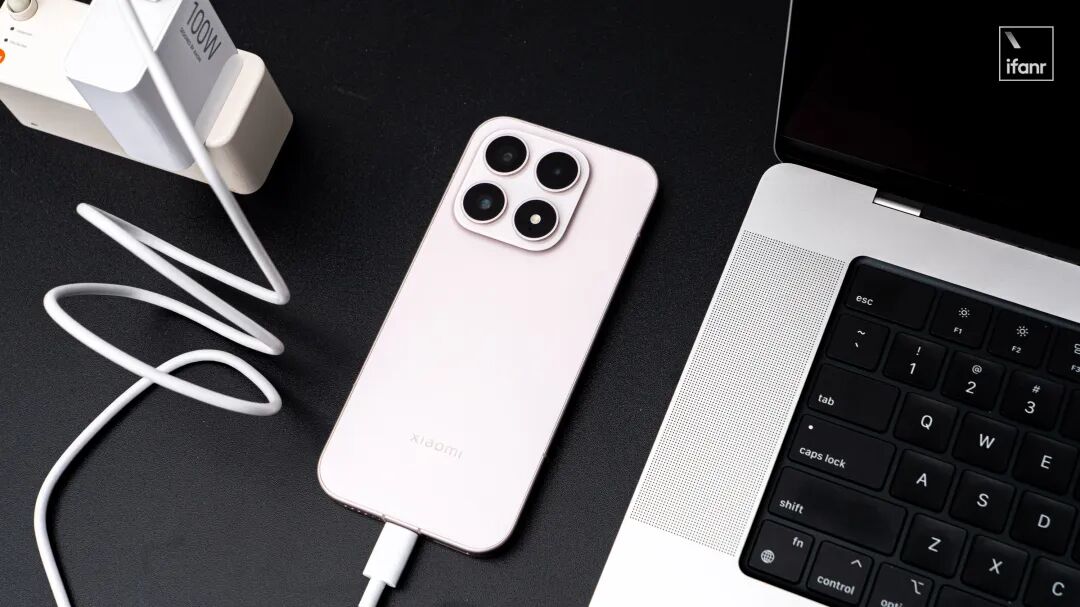
2026 年,手机厂商是时候拥抱公有快充协议了
3 6 Ke· 2026-01-30 00:31
Core Viewpoint - The article discusses the evolution of fast charging protocols in smartphones, highlighting the shift towards public protocols like PPS (Programmable Power Supply) and their advantages over proprietary charging solutions, particularly in terms of efficiency, cost, and compatibility with various devices. Group 1: Industry Trends - The year 2025 is anticipated to be a significant milestone for smartphone battery technology, with advancements in silicon-carbon anodes and increased battery capacities [1] - More manufacturers are expanding support for public fast charging protocols such as PPS and UFCS, indicating a potential shift away from proprietary protocols [3][5] - Xiaomi has set a new benchmark for domestic smartphones by demonstrating that public fast charging protocols can match the efficiency of proprietary solutions [5] Group 2: Advantages of PPS - PPS offers benefits such as faster charging, reduced heat generation, and lower costs compared to proprietary protocols [6][14] - The flexibility of PPS allows for dynamic voltage adjustments based on the battery's needs, improving charging efficiency and reducing energy loss [10][12] - The recent technological advancements have enabled PPS to achieve power levels of up to 100W, overcoming previous limitations [12] Group 3: Performance and Consumer Impact - Real-world testing of devices like the Redmi Turbo 5 Max shows that PPS can deliver charging speeds comparable to proprietary solutions, with only minor differences in total charging time [18][25] - The compatibility of PPS with existing USB PD standards allows consumers to use a single charger for multiple devices, enhancing convenience [30] - The adoption of PPS by manufacturers is seen as a strategic move to improve consumer satisfaction and brand loyalty in a competitive market [32]