空气污染健康风险管理

Search documents
《中国空气质量改善的健康效应评估2025》研究提示:关注空气污染的急性健康风险,建立健康导向的精准防控体系
Zhong Guo Neng Yuan Wang· 2025-10-24 12:24
Core Viewpoint - The report emphasizes the need for a shift in air quality management from a focus on "concentration standards" to maximizing "health benefits," highlighting the importance of establishing a health-oriented prevention and control system for future governance [1][12]. Group 1: Air Quality Improvement and Health Benefits - Since 2013, China has implemented a series of clean air actions that have significantly improved air quality, resulting in considerable health benefits [1][4]. - The latest report expands the assessment of health effects from air quality improvements to include acute health risks associated with short-term exposure to high pollution levels [4][5]. Group 2: Health Risk Assessment - The report indicates a structural change in health risks from PM2.5, with a notable decrease in chronic health burdens but an increase in acute risks from short-term exposure [9][12]. - Ozone (O3) has shown a significant increase in short-term acute health risks, particularly during summer months, indicating a need for targeted interventions on high pollution days [10][12]. Group 3: Regional and Demographic Disparities - Health risk distribution shows significant regional and demographic differences, with traditional populous provinces still facing high disease burdens despite improvements [10][12]. - Vulnerable populations, such as the elderly and those with pre-existing health conditions, are more sensitive to short-term exposure, necessitating tailored protective strategies [10][12]. Group 4: Future Strategies and Recommendations - Future clean air actions should continue to prioritize PM2.5 reduction while also addressing the structural risks associated with O3 exposure [12][13]. - Establishing a national acute health risk warning system that accounts for seasonal and pollutant-specific risks is crucial for maximizing health benefits [13].


以标准为引领、健康为驱动,推动空气质量持续改善
Zhong Guo Neng Yuan Wang· 2025-10-24 11:56
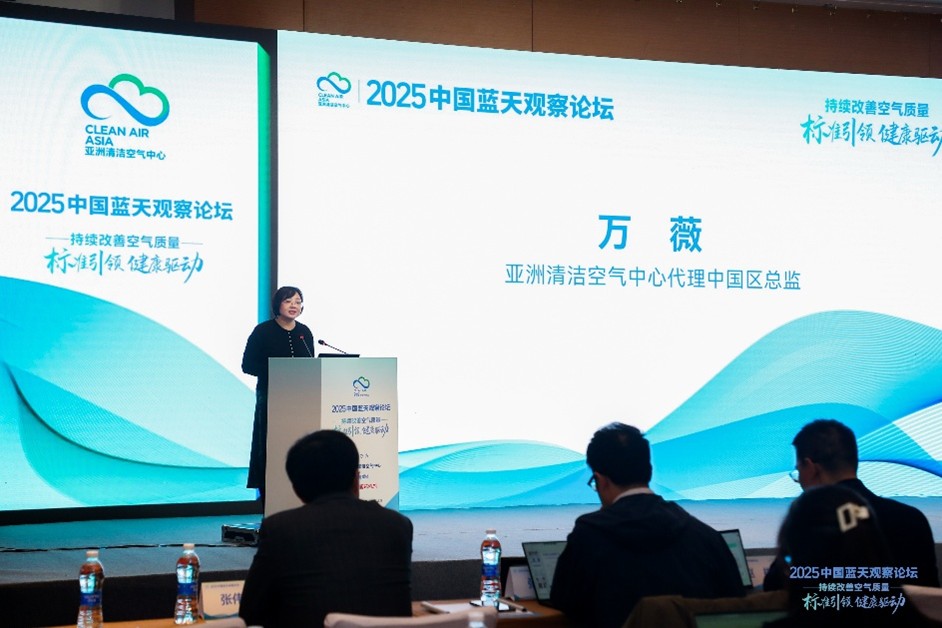
Core Insights - The 2025 China Blue Sky Observation Forum was successfully held in Beijing, focusing on improving air quality through standard revisions and health-driven actions [1] - The forum highlighted the importance of sharing advanced experiences and future pathways for air quality improvement, especially as China enters a new phase of air pollution prevention during the 14th Five-Year Plan [1] Air Quality Standards and Policy - The forum released three significant reports aimed at advancing air quality improvement, including studies on environmental air quality standards and health effects of air quality improvements [4] - The current air quality standards, established in 2012 and implemented in 2016, are set to be revised, with a focus on stricter limits and phased regional compliance [4][5] - Recommendations include establishing a new air quality standard limit of 25μg/m³ for PM2.5, which could enhance health benefits and guide future actions [5] Health Impact Assessments - Research indicates a structural shift in health risks associated with air pollution, with acute risks becoming more prominent due to extreme pollution events [10][11] - The health benefits of air quality improvements are not evenly distributed across regions, necessitating targeted strategies for vulnerable populations [11][13] Local Governance and Best Practices - Local governments play a crucial role in implementing air quality standards and innovative practices, with examples from cities like Beijing, Chengdu, and Shanghai showcasing effective pollution control measures [15][17][22] - The forum emphasized the need for regional collaboration and innovative governance mechanisms to address complex air pollution challenges [24]