立体无土栽培技术

Search documents
沙漠“盲盒”开出美味物产 解锁“死亡之海”背后的绿色密码
Yang Shi Wang· 2025-11-29 08:50
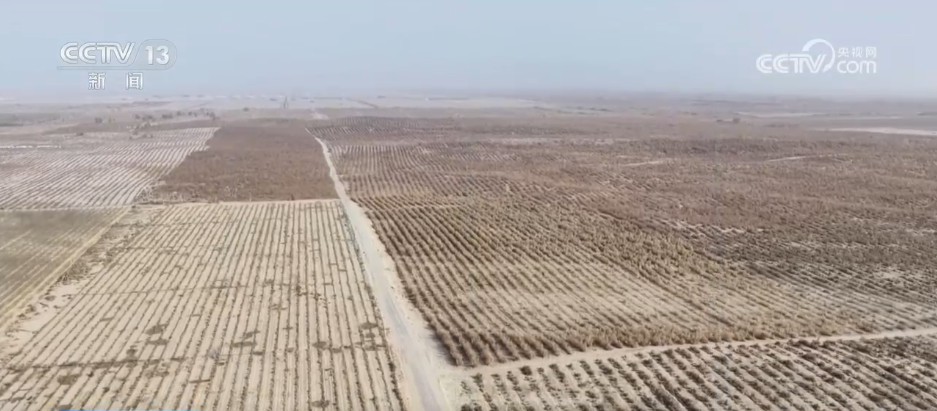
Core Viewpoint - The Taklamakan Desert, once considered a barren land, is transforming into a "food oasis" due to desertification control efforts, showcasing a variety of desert delicacies [1] Group 1: Agricultural Developments - The region has successfully cultivated large areas of red willow, which serve as both windbreaks and protectors of valuable resources [3] - The area planted with the desert treasure, Cistanche, has reached 22,900 acres, with each farmer potentially increasing their annual income by 30,000 to 50,000 yuan [5] - The introduction of advanced agricultural techniques, such as vertical soilless cultivation, has significantly reduced the growth cycle of rice by nearly half [9][10] Group 2: Aquaculture Innovations - Local aquaculture has enabled the harvesting of crabs and Australian blue lobsters, providing fresh seafood options for residents [7] - The unique saline-alkali water conditions contribute to the firmer texture and sweeter taste of the seafood, although they also pose challenges for growth [9] Group 3: Culinary Offerings - The region is now producing a variety of fruits and vegetables, with an annual output of 70,000 tons from 1,000 greenhouses, including strawberries, peppers, cucumbers, and cherry tomatoes [9] - Traditional dishes featuring Cistanche, such as Cistanche stewed with lamb and honey Cistanche, are becoming popular, highlighting the local culinary innovations [12] Group 4: Environmental Impact - The transformation of the desert into productive land symbolizes a harmonious coexistence between humans and nature, turning a once barren area into fertile fields and fish farms [15]