端侧优先

Search documents
CES还是消费电子展吗?中企给出正确答案
Guan Cha Zhe Wang· 2026-01-17 01:40
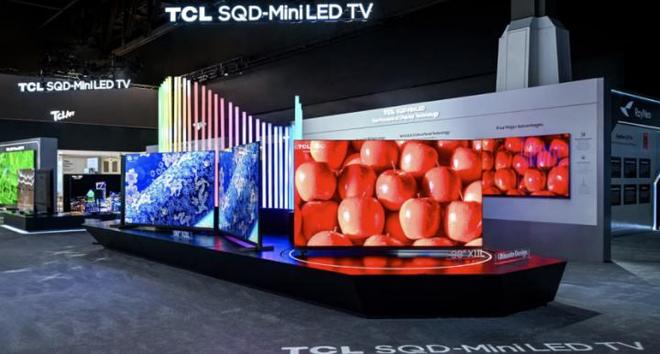
Core Insights - The CES 2026 has shifted from a consumer electronics showcase to a platform dominated by discussions on data centers and AI, primarily led by American tech giants like Nvidia and AMD, while Chinese companies focus on consumer-oriented products [1][2][13] - Nvidia's data center revenue reached $51.25 billion in Q3 2025, a 66% year-over-year increase, highlighting a structural imbalance in focus away from consumer needs [1][15] - Chinese companies like TCL and Hisense showcased tangible consumer products, emphasizing practical applications and user-friendly technology, contrasting with the abstract discussions of their American counterparts [3][4][6][15] Group 1: Industry Trends - The trend of "edge computing" is emphasized by Chinese firms, focusing on local processing power rather than cloud dependency, reflecting a deep understanding of consumer needs [13][14] - The evolution of product forms is evident, with innovations like the Honor ROBOT PHONE and the Stone G-Rover, which address real-life consumer challenges [13][14] - Chinese companies are showcasing products that are ready for mass production and purchase, unlike many Western firms that present conceptual prototypes [14][15] Group 2: Consumer Focus - Chinese enterprises are prioritizing consumer needs, as seen in TCL's and Hisense's product offerings that are accessible and understandable to the average user [3][4][6] - The consumer response to AI PCs has been lukewarm, with many users expressing confusion rather than excitement, indicating a disconnect between tech advancements and consumer expectations [2][12] - The success of products like the Stone G-Rover and the Lenovo Qira demonstrates a shift towards practical, user-friendly technology that resonates with everyday consumers [8][12][15] Group 3: Competitive Landscape - The disparity in focus between American and Chinese companies is evident, with the former leaning towards high-performance computing and the latter addressing everyday consumer problems [1][15] - The CES 2026 highlighted a potential future where American tech firms continue to dominate technical discussions while Chinese companies redefine consumer electronics with practical products [16][17] - The ongoing competition suggests that understanding consumer needs will be crucial for success in the evolving tech landscape, with Chinese firms currently leading in this regard [16][17]





iOS 19还没来,我提前在iPhone上体验到了苹果最新的AI
Hu Xiu· 2025-05-15 12:04
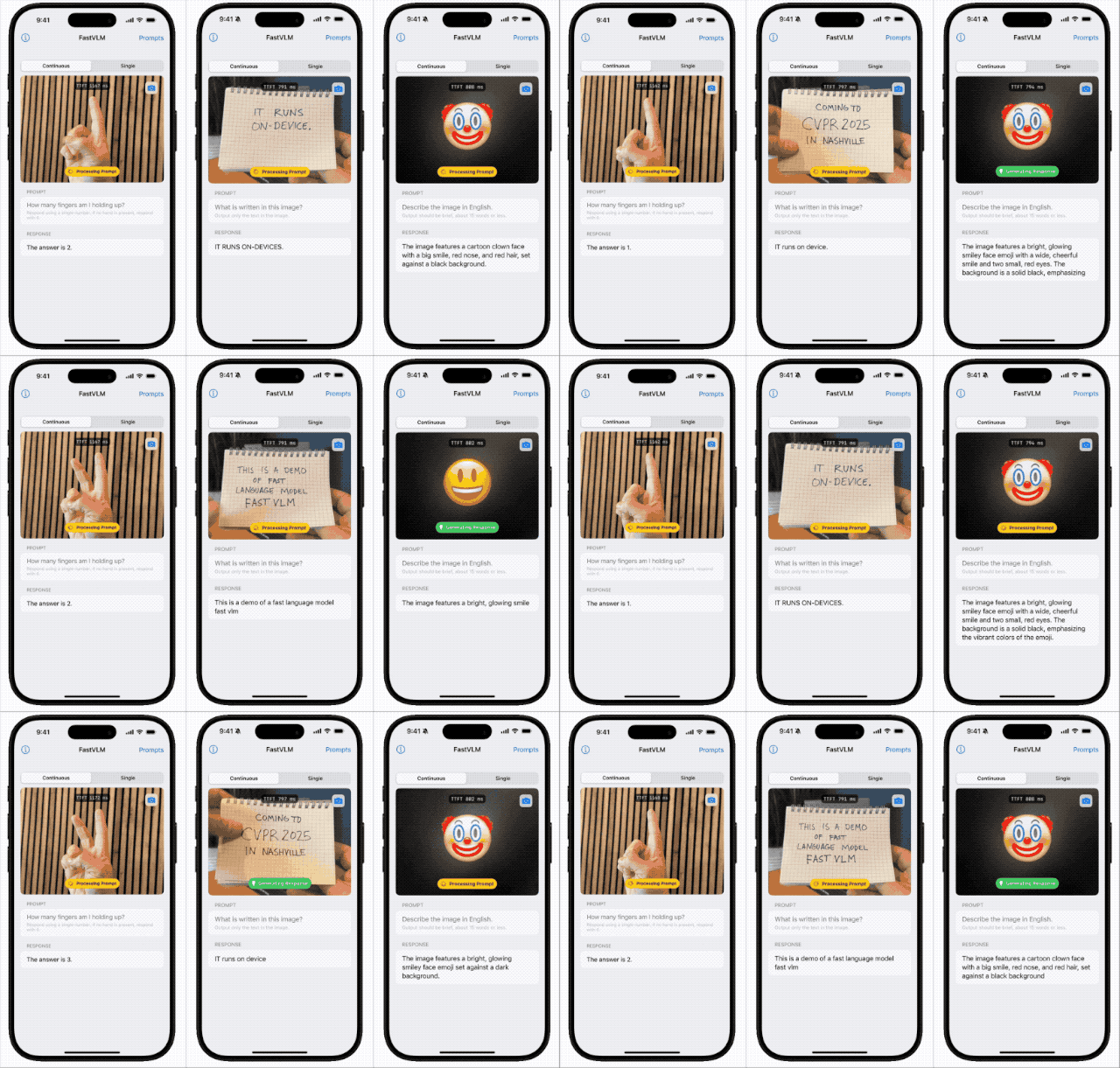
Core Viewpoint - Apple has quietly released a new visual language model called FastVLM, which shows potential for local execution on devices like iPhone, iPad, and Mac, indicating a shift towards integrating AI deeply into their ecosystem [3][10][60]. Group 1: FastVLM Model Overview - FastVLM is a set of visual language models that can run locally on Apple devices, with three parameter sizes: 0.5B, 1.5B, and 7B [10]. - The model demonstrates impressive performance, with a Time To First Token (TTFT) of 1211 milliseconds for the 1.5B model, indicating a smooth user experience [14]. - FastVLM can recognize common objects and scenes effectively, although it has limitations in Chinese text recognition accuracy [19][35]. Group 2: Technical Innovations - FastVLM is built on Apple's self-developed AI framework MLX and utilizes a new visual encoding backbone called FastViT-HD, which optimizes performance under limited computational power [46][49]. - The model's design allows it to output fewer high-quality visual tokens directly, enhancing inference speed and reducing resource consumption [52][53]. - FastVLM achieves competitive performance with significantly less training data compared to other models, demonstrating efficiency in model training [58]. Group 3: Strategic Implications - The development of FastVLM aligns with Apple's ambition to embed AI as a core component of their products, rather than just an added feature [63][64]. - There are indications that FastVLM may be integrated into future Apple smart glasses, which are expected to be AI-first devices [60][61]. - Apple's approach emphasizes a hardware-defined software strategy, aiming to create a seamless integration of AI across its ecosystem, including iPhones, iPads, and Macs [65][78].