算力生态超市

Search documents
探访三地机器人产业(新春走基层·未来产业)
Ren Min Wang· 2026-02-24 22:36
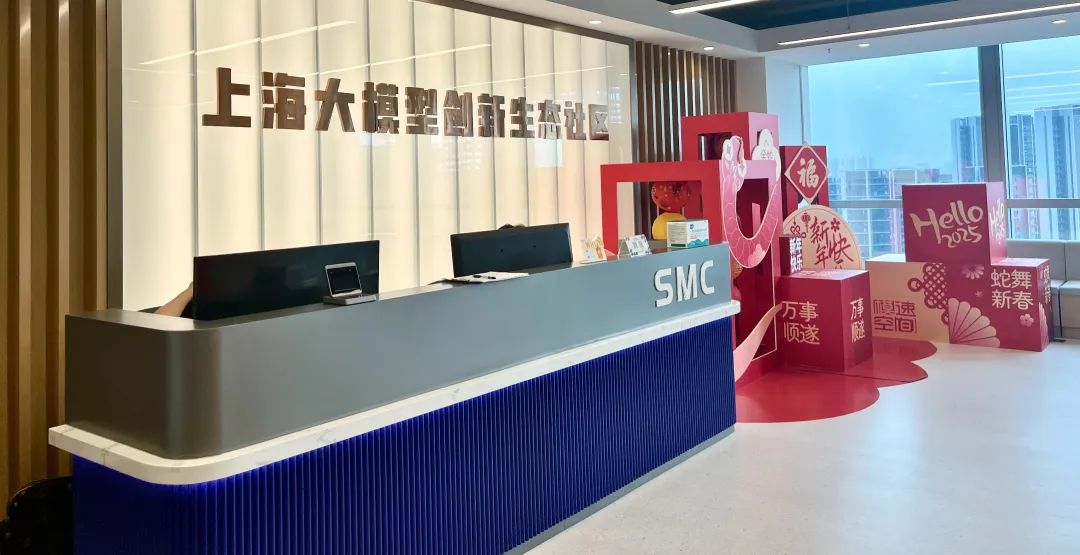
Core Insights - The robotics industry is rapidly advancing, with artificial intelligence enhancing both the cognitive capabilities and physical agility of robots, leading to increased industrialization and commercialization [1] Group 1: AI and Computing Power - The company "Wenxin Qiong" focuses on optimizing large model algorithms to run efficiently on various chips, achieving over 97% utilization of computing power [1] - The significant increase in domestic large model inference indicates an improvement in intelligence levels, enabling smarter robotic systems [1] - The launch of the first "computing power ecosystem supermarket" in February 2025 has met the demands of over 100 enterprises for large models [1] Group 2: Testing and Production - The Beijing humanoid robot innovation center serves as a critical testing ground where assembled robots undergo rigorous evaluations before mass production [2] - The center can assemble a robot every 17 hours and has an annual production capacity of 5,000 units, addressing the challenges of scaling up production [2][3] - The mid-test verification platform is essential for transforming research outcomes into commercially viable products [3] Group 3: Consumer Engagement and Feedback - The "humanoid robot 7S store" in Wuhan has attracted over 27,000 visitors in three months, showcasing various robotic applications and enhancing public interaction with technology [4] - Customer feedback is driving product upgrades, with suggestions for features like festive greetings and improved control sensitivity being rapidly relayed to the development team [5]

激发模速空间创新"模力" 金融赋能"模塑申城" | 一线调研
Guo Ji Jin Rong Bao· 2025-05-30 12:26
Core Insights - Shanghai is focusing on five key areas: smart terminals, scientific intelligence, online new economy, autonomous driving, and embodied intelligence, while also targeting six major industries: finance, manufacturing, education, healthcare, cultural tourism, and urban governance to promote large model applications [1][3] - The "Mosu Space," located in Xuhui District, aims to become the world's largest AI incubator, fostering innovation and entrepreneurship in the AI sector [1][3] Industry Development - Since its establishment in September 2023, Mosu Space has attracted over 100 companies, forming a complete industrial chain that includes chip design, model algorithms, data corpus, and industry applications [3][4] - The AI industry in Shanghai is projected to grow from 134 billion yuan in 2018 to 453 billion yuan by 2024, with the talent pool expanding from approximately 100,000 to 299,000 during the same period [6] Company Highlights - LingShu Intelligent Technology, a young AI company, has developed the "BaiGong Model," which is the first industrial large model certified by the national authorities in Shanghai [4][5] - LingShu Intelligent has nearly 50 intellectual property rights and focuses on digitalizing operational management systems for manufacturing clients, targeting sectors like new energy and automotive parts [5][6] Financial Support - Shanghai Pudong Development Bank has partnered with LingShu Intelligent to provide financial support, including loan interest reductions, to alleviate the company's funding pressures [5][6] - The bank aims to offer comprehensive services to tech companies, including access to various resources and platforms for collaboration [6][11] Ecosystem and Collaboration - Mosu Space serves as a nurturing environment for startups, providing essential services such as data platforms, testing platforms, and financing services, which facilitate collaboration among enterprises [9][10] - The establishment of a "computing power ecosystem supermarket" aims to address the fragmented supply chain of computing resources and enhance efficiency in resource utilization [10][11]