天工机器人

Search documents
探访三地机器人产业(新春走基层·未来产业)
Ren Min Wang· 2026-02-24 22:36
Core Insights - The robotics industry is rapidly advancing, with artificial intelligence enhancing both the cognitive capabilities and physical agility of robots, leading to increased industrialization and commercialization [1] Group 1: AI and Computing Power - The company "Wenxin Qiong" focuses on optimizing large model algorithms to run efficiently on various chips, achieving over 97% utilization of computing power [1] - The significant increase in domestic large model inference indicates an improvement in intelligence levels, enabling smarter robotic systems [1] - The launch of the first "computing power ecosystem supermarket" in February 2025 has met the demands of over 100 enterprises for large models [1] Group 2: Testing and Production - The Beijing humanoid robot innovation center serves as a critical testing ground where assembled robots undergo rigorous evaluations before mass production [2] - The center can assemble a robot every 17 hours and has an annual production capacity of 5,000 units, addressing the challenges of scaling up production [2][3] - The mid-test verification platform is essential for transforming research outcomes into commercially viable products [3] Group 3: Consumer Engagement and Feedback - The "humanoid robot 7S store" in Wuhan has attracted over 27,000 visitors in three months, showcasing various robotic applications and enhancing public interaction with technology [4] - Customer feedback is driving product upgrades, with suggestions for features like festive greetings and improved control sensitivity being rapidly relayed to the development team [5]

走进上海人工智能企业、北京中试平台、武汉机器人体验店——探访三地机器人产业(新春走基层·未来产业)
Ren Min Ri Bao· 2026-02-24 22:18
Core Insights - The robotics industry is rapidly advancing with smarter AI "brains" and more agile mechanical "bodies," leading to increased industrialization of robots [1] - The development of a "computing power ecosystem supermarket" in Shanghai has significantly enhanced the efficiency of AI models, benefiting over 100 companies [1] - The Beijing humanoid robot innovation center serves as a critical testing ground for robots before mass production, capable of assembling 5,000 robots annually [2][3] - The humanoid robot 7S store in Wuhan has attracted over 27,000 visitors in three months, showcasing various robotic applications and enhancing customer engagement [4][5] Group 1 - The robotics industry is experiencing accelerated industrialization with advancements in AI and robotics technology [1] - The "computing power ecosystem supermarket" launched in Shanghai has met the demands of over 100 enterprises, indicating a significant growth in AI capabilities [1] - The efficiency of AI model training has improved, allowing for better integration of intelligent systems in robotics [1] Group 2 - The Beijing humanoid robot innovation center is essential for transitioning from research to mass production, with a capacity to assemble a robot every 17 hours [2][3] - The center's comprehensive testing facilities address the challenges of scaling production from prototypes to large quantities [3] - The humanoid robot 7S store in Wuhan offers interactive experiences, enhancing public engagement with robotics and driving product feedback for improvements [4][5]
中国经济一月纪事丨人形机器人的“七十二变” 看人形机器人如何从“跑起来、动起来”变成“用起来、干起来”?
Yang Guang Wang· 2026-01-25 10:25
Core Viewpoint - The development of humanoid robots is gaining momentum in China, with 2025 being seen as a pivotal year for mass production, while 2026 will focus on bridging the gap between laboratory demonstrations and practical applications [1][2]. Industry Overview - The Central Economic Work Conference in 2025 emphasizes innovation-driven growth and the cultivation of new economic drivers, with humanoid robots identified as a promising sector [1]. - The Beijing Humanoid Robot Innovation Center is leading efforts in developing standards for embodied intelligence, which is crucial for the advancement of humanoid robots [3][6]. Technological Advancements - The "Big and Small Brain" collaboration is essential for humanoid robots to achieve stability and coordination, enabling them to perform complex tasks [3][6]. - The center has developed a comprehensive data base, RoboMIND, which has been downloaded over 140,000 times, indicating strong interest from academic and industrial sectors [5]. Application Scenarios - Humanoid robots are being tested in various practical applications, including logistics and manufacturing, with robots like "Tian Gong" and "Tian Yi" demonstrating capabilities in sorting and package handling [2][15]. - The industry is exploring the use of humanoid robots in diverse fields such as healthcare, logistics, and elder care, with the potential for widespread adoption as technology matures [17]. Future Directions - The Beijing Humanoid Robot Innovation Center plans to launch a pilot demonstration factory to address challenges in scaling up production and application [13]. - The industry aims to enhance the service experience of humanoid robots and promote their deployment in high-demand sectors, thereby alleviating human labor in hazardous environments [12][18].
北京首次开设机器人职称评审专业
Xin Lang Cai Jing· 2026-01-19 17:08
Group 1 - The core viewpoint of the news is the introduction of a new professional title evaluation method for the robotics sector in Beijing, aimed at matching talent evaluation needs with industry demands, which will officially implement in 2026 and start its first evaluation in July 2023 [1][2] - The robotics industry in Beijing is experiencing significant growth, with over 940 related companies and approximately 30,000 employees, highlighting the need for a specialized title evaluation system to support the career development of high-tech talent [1][3] Group 2 - The new evaluation method establishes a comprehensive and multi-level title evaluation system, covering four main areas: core components, algorithms and software, complete machine design and manufacturing, and system integration and application, ensuring that professionals in all segments of the robotics industry can find suitable evaluation pathways [2] - The title levels are clearly defined, including junior (assistant engineer), intermediate (engineer), senior (senior engineer), and top-level (chief engineer), providing a clear career development ladder for technical talent in the robotics field [2] - The evaluation criteria emphasize innovation capability, quality, effectiveness, and contribution, focusing on actual performance in technological breakthroughs, innovation achievements, and industry contributions, while also recognizing achievements in national robotics competitions for advanced title applications [3]
北京人形机器人跑出“加速度”!2026年促进规模化应用落地
机器人圈· 2025-12-29 09:13
Core Viewpoint - The humanoid robot industry in Beijing is experiencing significant growth, driven by advancements in large models and embodied intelligence technology, positioning itself competitively on both national and international stages [4][6]. Group 1: Industry Development - The humanoid robot industry in Beijing has over 30 companies, ranking among the top in the country, with a strong focus on general body and embodied intelligence models [4][5]. - Key characteristics of the industry include leading technological and industrial innovation capabilities, continuous emergence of body and embodied intelligence achievements, initial success in scene innovation and application landing, and significant policy support [6][7]. Group 2: Technological Innovations - The "Tiangong" robot from the humanoid robot innovation center has won global championships, showcasing the advanced capabilities of Beijing's humanoid robots [7]. - The "Wisdom Open" platform supports diverse task execution, surpassing similar models like GPT-5 by 15% [7]. - Innovations include the highest structural strength and rapid recovery capabilities in the T1 robot, and the first global release of various visual-language-action models by Galaxy General [7]. Group 3: Application and Policy Support - The city has launched the world's first humanoid robot half marathon and hosted the inaugural World Humanoid Robot Games, enhancing international collaboration and showcasing technological advancements [7][8]. - A government investment fund of 100 billion yuan has been established to support the humanoid robot sector, alongside efforts to foster collaboration between academia and industry [7][9]. Group 4: Future Mechanisms and Goals - The focus will be on accelerating core technology breakthroughs, enhancing supply and management capabilities, promoting large-scale application, and building a comprehensive industrial ecosystem [9][12]. - The upcoming "14th Five-Year Plan" will prioritize humanoid robots, aiming for breakthroughs in autonomous technology and fostering a competitive edge in the industry [11][12].

从赛场到市场,中国机器人“破茧进化”
Zhong Guo Xin Wen Wang· 2025-12-28 02:56
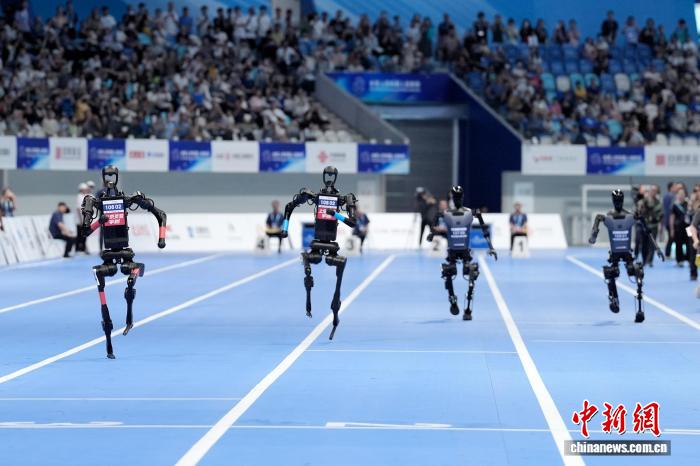
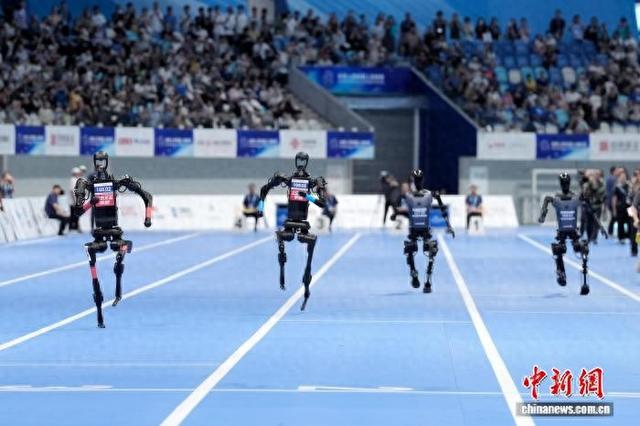
Core Insights - The article highlights the rapid evolution of China's robotics industry, showcasing its transition from competitive arenas to practical market applications by 2025 [1] Group 1: Market Performance and Production - In 2023, China's robotics industry has seen significant growth, with nearly 1,000 units of robots shipped globally, and a projected annual production capacity of 5,000 industrial humanoid robots by 2026, increasing to 10,000 by 2027 [3] - The production of industrial robots reached 595,000 units and service robots reached 13.5 million units in the first three quarters of 2023, surpassing the total production for 2024 [3] - China's robotics companies have established a complete industrial chain covering upstream components, midstream manufacturing, and downstream applications [3] Group 2: Technological Advancements and Applications - The year 2023 marked a series of breakthroughs for Chinese robots, expanding their applications from sports to logistics, healthcare, and domestic tasks [4] - The concept of "embodied intelligence" was included in the government work report for the first time, indicating a strategic focus on this future industry [5] Group 3: International Expansion and Market Strategy - In the first three quarters of 2023, China's exports of industrial robots increased by 54.9% year-on-year, with companies actively pursuing international markets through acquisitions and establishing overseas R&D centers [7] - Chinese robots are being utilized in various international settings, including serving as guides at the Osaka Expo and assisting in logistics at universities in Germany [7] Group 4: Policy Support and Future Outlook - Continuous policy support is facilitating the integration of robots into everyday life, with cities like Beijing and Shanghai promoting large-scale deployments and industry clusters [5] - The rapid development of the robotics industry presents both opportunities and challenges, necessitating a balanced approach to innovation and risk management [9]
(年终特稿)从赛场到市场,中国机器人“破茧进化”
Xin Lang Cai Jing· 2025-12-28 02:55
Core Insights - The article highlights the rapid evolution and market integration of Chinese robots, showcasing their transition from competition to practical applications in various sectors by 2025 [1][3]. Group 1: Market Performance and Production - In 2025, Chinese humanoid robots achieved significant milestones, including winning the 100-meter race at the World Humanoid Robot Games with a time of 21.50 seconds [3]. - The production capacity of industrial humanoid robots is expected to reach 5,000 units by 2026 and expand to 10,000 units by 2027, driven by leading manufacturers [3]. - In the first three quarters of this year, China produced 595,000 industrial robots and 13.5 million service robots, surpassing the total production for 2024 [3]. Group 2: Technological Advancements and Applications - Chinese robots have made breakthroughs in various applications, including logistics, healthcare, and education, moving from "technical validation" to "social practice" [4]. - The concept of "embodied intelligence" has been incorporated into government planning, indicating a strategic focus on future industries [4][5]. - Cities like Beijing, Shanghai, and Shenzhen are actively promoting the deployment of humanoid robots across multiple sectors, aiming to create large-scale industrial clusters [5]. Group 3: Global Expansion and Market Strategy - In the first three quarters, China's exports of industrial robots increased by 54.9% year-on-year, reflecting a strong push into international markets [7]. - Chinese companies are expanding globally through acquisitions, establishing overseas R&D centers, and building marketing networks [7]. - Robots are being utilized in various international settings, including serving as guides at the Osaka Expo and assisting in logistics at educational institutions in Germany [7]. Group 4: Policy and Future Outlook - Continuous policy support is facilitating the integration of robots into everyday life, with a focus on balancing innovation with potential risks [9]. - Experts emphasize the need for proactive governance strategies to address challenges such as data security, ethical dilemmas, and employment impacts as the robot industry grows [9].
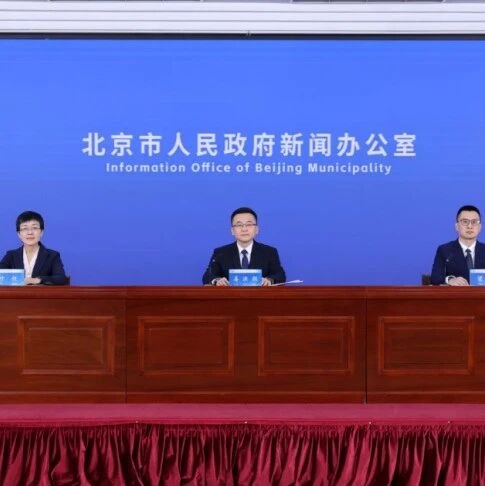
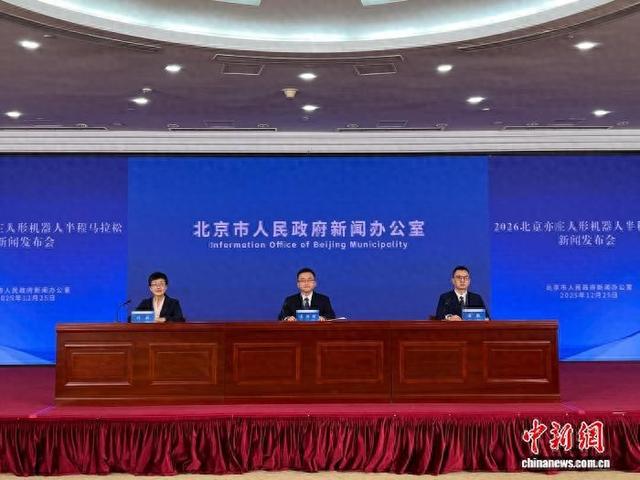
北京人形机器人整机单位超过30家 位居国内前列
Xin Lang Cai Jing· 2025-12-25 15:19
Core Insights - The 2026 Beijing Yizhuang Humanoid Robot Half Marathon press conference highlighted the rapid development of the humanoid robot industry in Beijing, with over 30 leading companies in the sector [1][3] Industry Development - Beijing has established itself as a national leader in technology and industrial innovation, housing top research institutes and platforms for robot standards and services [3] - The city has created the first provincial humanoid robot innovation center, aiming to upgrade it to a national manufacturing innovation center in embodied intelligence [3] - Various innovation entities are pursuing differentiated technological routes, focusing on areas such as prototype bodies, control systems, reinforcement learning algorithms, and bionic facial expressions [3] Technological Achievements - The "Tiangong" robot from the innovation center has won global championships in both half-marathon and sprint events, showcasing its advanced capabilities [3] - The "Wisdom and Material" platform supports diverse task execution across multiple robots, outperforming similar models like GPT-5 by 15% [3] - The N2 robot from Songyan Power secured the runner-up position in the half-marathon and won a long jump championship, while the T1 robot is noted for its high structural strength and rapid recovery capabilities [3][4] Application and Innovation - The first humanoid robot half-marathon and the inaugural World Humanoid Robot Games have been successfully held, demonstrating practical applications in various sectors such as industrial manufacturing and logistics [4] - The "Gai Bot" robot from Galaxy General has been deployed in unmanned pharmacies and retail scenarios, while the robots from Accelerated Evolution are utilized in football competitions [4] Policy Support - Beijing is focusing on high-quality industrial development, enhancing funding and policy support for humanoid robots, with a government investment fund totaling 100 billion yuan [5] - The city is promoting collaborative innovation among industry, academia, and research institutions, aiming to attract international cooperation and resources [5] Future Outlook - The year 2026 is identified as a critical period for the further application of humanoid robots, with an emphasis on accelerating prototype testing and mass production [5] - The government plans to enhance support in technology development, product supply, and ecosystem building, focusing on core technology breakthroughs and the establishment of a comprehensive industrial ecosystem [6]
京城股份:未投资小米机器人及天工机器人
Ge Long Hui· 2025-11-13 08:00
Core Viewpoint - The company, Jingcheng Shares (600860.SH), primarily engages in equipment manufacturing, focusing on gas storage and transportation equipment as well as intelligent manufacturing. The company has not invested in Xiaomi Robotics or Tiangong Robotics [1]. Company Overview - The main business of the company is equipment manufacturing [1]. - Key products include gas storage and transportation equipment and intelligent manufacturing solutions [1]. Investment Activity - The company has confirmed that it has not made investments in Xiaomi Robotics or Tiangong Robotics [1].

“WoW”具身世界模型来了!机器人实现从想象预演到动作执行“知行合一”
Yang Shi Wang· 2025-10-26 05:23
Core Insights - The rapid evolution of robotic movement capabilities is highlighted, but understanding complex tasks remains challenging for robots [1] - The introduction of the "WoW" embodied world model by a Chinese research team represents a significant advancement in robotic intelligence [1] Group 1: Technological Advancements - The "WoW" embodied world model allows robots to simulate human-like thinking and decision-making, generating future prediction videos that align with physical laws [5] - The model enables robots to connect imagined movements with real-world execution, enhancing their interaction with the environment [5] Group 2: Data Collection and Training - The research team has collected millions of real interaction data points to ensure the world model can operate effectively in diverse real-world scenarios [8] - The model is designed to adapt to various types of robots, including humanoid and robotic arms, and can be applied across multiple settings such as homes, supermarkets, and logistics [10] Group 3: Open Access and Applications - The "WoW" model is open to global researchers and developers, facilitating broader applications and innovations in robotics [10] - It can accurately simulate extreme scenarios, such as water spilling on a computer, providing crucial data for training that is difficult to obtain through real-world testing [10]