米诺斯文明

Search documents
爱琴海畔的文明曙光(旅人心语)
Ren Min Ri Bao· 2025-11-13 22:10
Core Viewpoint - The inclusion of the Palace of Knossos on Crete in the UNESCO World Heritage List highlights the significance of the Minoan civilization, attracting global attention to the historical and cultural heritage of the island [1]. Group 1: Historical Significance - Crete, located between Egypt and Greece, has been a crucial trade hub in the Mediterranean since ancient times, as described in Homer's "Odyssey" [1]. - The Minoan civilization, discovered by British archaeologist Arthur Evans in the early 20th century, predates the Mycenaean civilization and is considered a foundational element of Greek and European civilization [1][2]. Group 2: Archaeological Findings - The Palace of Knossos, covering an area of 22,000 square meters, features a complex layout with numerous rooms connected by corridors, resembling a labyrinth [2]. - Archaeological evidence indicates that the Knossos complex had advanced water supply and lighting systems, suggesting a comfortable living environment for its inhabitants [2]. Group 3: Cultural Artifacts - The Heraklion Archaeological Museum showcases various artifacts from the Minoan civilization, including well-preserved frescoes and intricate pottery, reflecting the advanced production capabilities of the time [3]. - Notable artifacts include the "Bull-Leaping" fresco, which depicts a ritualistic activity that symbolizes strength and courage, highlighting the cultural significance of bulls in Minoan society [3]. Group 4: Preservation and Cultural Exchange - There is a growing interest in Minoan civilization within Chinese society and academia, with initiatives such as youth study programs and exhibitions promoting cultural exchange between China and Greece [4]. - The "Daedalus: Myths of Crete" exhibition in Beijing features over 170 artifacts from the Heraklion Archaeological Museum, fostering greater appreciation and understanding of Minoan heritage [4].

米诺斯文明何以魅力长存(文化只眼)
Ren Min Ri Bao Hai Wai Ban· 2025-07-01 01:10
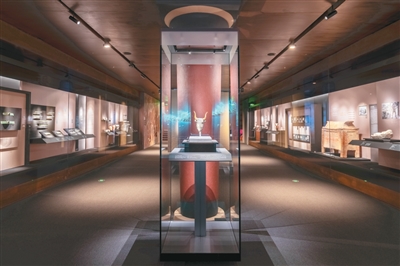
Group 1 - The exhibition "Daedalus: Myths of Crete" at the Palace Museum showcases 172 valuable artifacts from the Archaeological Museum of Heraklion, Greece, illustrating the development and cultural characteristics of the Minoan civilization from approximately 3000 BC to 1100 BC [1] - The Minoans were pioneers of technology during the Bronze Age, evidenced by high-quality bronze tools and double-sided stone molds, indicating their advanced metallurgy skills developed 5000 years ago [1] - The Minoan civilization's maritime trade network allowed them to import metals and gems while exporting pottery and jewelry, integrating deeply into the Eastern Mediterranean economy, highlighting the importance of exploration and cooperation in economic prosperity [2] Group 2 - Minoan artifacts reflect interactions with other civilizations, showcasing influences from Mediterranean cultures and techniques, such as the Kamáres style pottery and Babylonian granulation, demonstrating the Minoans' ability to absorb and innovate [2] - The economic affluence and open environment of the Minoans led to a peak in architecture, sculpture, and painting, emphasizing the importance of art in life and the early emergence of humanism, which laid the foundation for classical Greek art [3] - Despite the decline of the Minoan civilization due to natural disasters and invasions, its core values were embedded in the subsequent Greek civilization, showcasing the enduring legacy of rationality and artistic achievement [5]